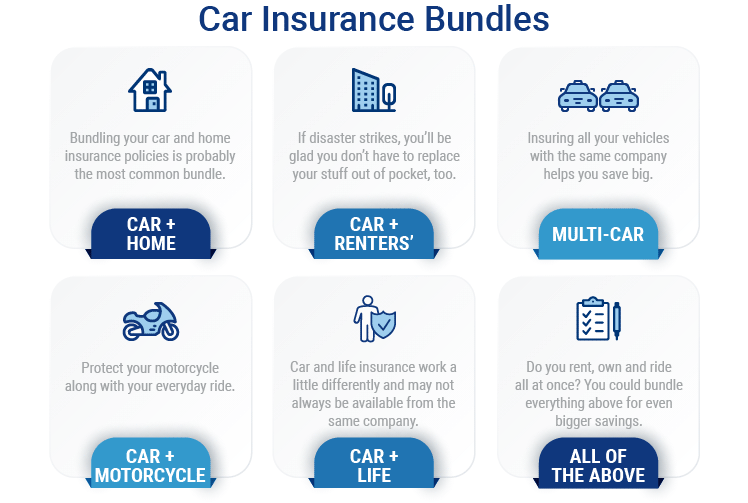
With home and car insurance bundle at the forefront, navigating the realm of insurance has never been more essential. By combining your home and car policies, you not only simplify your coverage but often save money while enjoying comprehensive protection. This approach reflects a growing trend among consumers looking for convenience without compromising on security, making it a smart choice for modern households.

In today’s ever-changing world, understanding the benefits and intricacies of a home and car insurance bundle can empower you to make informed decisions. From reducing costs to streamlining claims processes, this bundle offers a streamlined approach to safeguarding your assets while enhancing your peace of mind.
In today’s fast-paced digital world, the importance of effective communication cannot be overstated. Whether you are a student, professional, or simply someone who needs to convey ideas clearly, mastering the art of communication is essential. This article delves into various aspects of communication, offering tips, techniques, and insights to help you enhance your skills.
Understanding Communication
Communication is the process of exchanging information, thoughts, or feelings between individuals. It can take many forms, including verbal, non-verbal, written, and visual communication. Each form has its significance and can be used effectively in different situations. For instance, verbal communication is often preferred in face-to-face interactions, while written communication is essential for formal correspondence. Understanding the nuances of each type of communication is crucial for effective interaction.
The Importance of Active Listening
One key aspect of effective communication is active listening. This involves not just hearing what the other person is saying but fully engaging with the message. To practice active listening, focus on the speaker, avoid interrupting, and provide feedback to show that you are paying attention. This not only helps in understanding the speaker’s perspective but also fosters a sense of respect and trust, which is vital in any conversation.
Non-Verbal Communication
Often, what we don’t say speaks volumes. Non-verbal cues such as body language, facial expressions, and gestures play a significant role in how messages are received. For example, maintaining eye contact can show confidence and interest, while crossed arms may signal defensiveness. Being aware of your non-verbal signals and interpreting those of others can significantly enhance your communication effectiveness.
Tailoring Your Message
One of the most important aspects of communication is tailoring your message to your audience. Different audiences require different approaches. For instance, if you are presenting to a group of experts, you may use technical jargon and advanced concepts. Conversely, if you are speaking to individuals unfamiliar with your topic, simplifying your language and using relatable examples will be more effective. Understanding your audience’s background, interests, and level of knowledge can help you communicate more effectively.
Clarity and Conciseness
When conveying information, clarity and conciseness are key. Avoid using jargon or overly complex sentences that may confuse your audience. Instead, aim for straightforward explanations. To achieve clarity, it’s often helpful to structure your thoughts logically. Start with an introduction, follow with your main points, and conclude with a summary. This structure not only aids in comprehension but also keeps your audience engaged.
Using Stories to Connect
Storytelling is a powerful tool in communication. A well-told story can capture attention, evoke emotions, and make your message more memorable. Incorporating personal anecdotes or relevant case studies can help illustrate your points and create a connection with your audience. When people can relate to your experiences or understand your message through a narrative, they are more likely to retain the information.
Feedback and Adaptation
Effective communication is a two-way street. Encouraging feedback from your audience can provide valuable insights into how your message is being received. Be open to constructive criticism and ready to adapt your communication style based on the feedback. This flexibility not only improves your skills but also shows your audience that you value their opinions, fostering a more collaborative environment.
Overcoming Communication Barriers
Various barriers can hinder effective communication, including physical distance, cultural differences, emotional states, and language barriers. Being aware of these obstacles is the first step in overcoming them. For instance, if you are communicating with someone from a different cultural background, taking the time to learn about their customs and communication styles can help bridge the gap. Additionally, being mindful of your emotional state can prevent misunderstandings that arise from stress or anxiety.
The Role of Technology
In today’s digital age, technology plays a significant role in communication. Emails, instant messaging, and video calls have become staples in both personal and professional environments. While these tools offer convenience and speed, they also come with their challenges. Misinterpretations can easily occur in written communication due to the absence of tone and body language. To mitigate this, it’s often beneficial to be more explicit in your messages and, when possible, choose face-to-face interactions for important discussions.
Building Empathy
Empathy is the ability to understand and share the feelings of another. In communication, empathy allows you to connect more deeply with your audience. By considering their emotions and perspectives, you can tailor your message to resonate more effectively. This not only enhances your rapport with others but also fosters a supportive and understanding environment.
Practicing Communication Skills
Like any other skill, communication requires practice. Engaging in conversations, participating in group discussions, or even joining public speaking clubs can help you develop your abilities. Additionally, recording yourself speaking or seeking feedback from friends can provide insights into areas for improvement. Regular practice not only boosts your confidence but also helps you refine your techniques over time.
Conclusion
Mastering communication is a lifelong journey that requires dedication and practice. By understanding the various aspects of communication, actively listening, tailoring your messages, and embracing feedback, you can significantly enhance your communication skills. Remember, effective communication is not just about exchanging information—it’s about building connections, fostering understanding, and creating a collaborative environment. So, take the time to invest in your communication skills, and you will reap the benefits in both your personal and professional life.