Healthcare mobile app development is revolutionizing the way patients interact with their medical providers, making healthcare more accessible and efficient. These apps not only streamline appointment scheduling and prescription management but also encourage proactive health monitoring through features like symptom checkers and telemedicine consultations.
The surge in smartphone usage has paved the way for these innovations, enabling healthcare organizations to reach patients directly. As a result, healthcare mobile apps are becoming essential tools in promoting wellness and improving patient outcomes, catering to a diverse range of needs within the healthcare landscape.
In a world that seems to be constantly on the move, the concept of mindfulness has emerged as a beacon of hope for many seeking balance and calm. Mindfulness, at its core, is the practice of being present in the moment and fully engaging with our current experiences, thoughts, and feelings without judgment. This article explores the profound impact of mindfulness on mental health, relationships, and overall well-being.
Understanding Mindfulness
Mindfulness is often rooted in ancient traditions, particularly within Buddhism, but its principles have been embraced across various cultures and practices. The essence of mindfulness lies in paying attention—intentionally and without distraction. It encourages individuals to observe their thoughts and actions, creating a space between reaction and response. This practice promotes self-awareness, allowing us to understand our emotions and thought patterns more clearly.
The Benefits of Practicing Mindfulness
Mental Health Improvements
Numerous studies have indicated that mindfulness can significantly reduce symptoms of anxiety and depression. By focusing on the present, individuals can break the cycle of rumination—those repetitive and often negative thoughts that plague the mind. Mindfulness-based cognitive therapy (MBCT) is a popular form of treatment that combines cognitive behavioral techniques with mindfulness strategies to help individuals manage their mental health effectively.
Enhanced Emotional Regulation
Practicing mindfulness equips individuals with the tools to better regulate their emotions. When faced with stressful situations, mindfulness encourages a pause, allowing individuals to respond thoughtfully rather than react impulsively. This shift in perspective can lead to more constructive conversations and interactions, ultimately fostering healthier relationships.
Improved Focus and Concentration
In our fast-paced society, distractions are everywhere. Mindfulness practices, such as meditation, can help sharpen our focus and increase our attention span. Techniques like mindful breathing or guided meditation train the mind to stay present, making it easier to concentrate on tasks at hand. This can be particularly beneficial in work and academic settings.
Incorporating Mindfulness into Daily Life
The beauty of mindfulness is that it can be integrated into everyday activities. Here are some simple yet effective ways to incorporate mindfulness into your daily routine:
- Mindful Eating: Slow down and savor each bite. Focus on the textures, flavors, and aromas of your food. This practice not only enhances the eating experience but can also promote healthier eating habits.
- Mindful Walking: Take a stroll and pay attention to the sights, sounds, and sensations around you. Feel the ground beneath your feet and the air against your skin.
- Mindful Breathing: Set aside a few minutes each day to focus on your breath. Inhale deeply through your nose, hold for a moment, and exhale slowly through your mouth. This practice can help ground you and alleviate stress.
- Mindful Listening: When engaging in conversations, practice active listening. Focus entirely on the speaker without formulating your response while they talk. This fosters deeper connections and understanding.
Mindfulness and Relationships
Mindfulness can have a transformative effect on relationships. It encourages open communication, empathy, and patience. When individuals practice mindfulness, they become more attuned to their own emotional states and those of others. This awareness can lead to greater compassion and understanding in interpersonal interactions.
Conflict in relationships can often stem from misunderstandings or emotional reactivity. By applying mindfulness techniques, individuals can approach conflicts with a level-headed mindset. Instead of reacting defensively, they can pause, reflect, and engage in constructive dialogue. This not only helps to resolve issues but also strengthens the bond between partners, family members, and friends.
Challenges in Practicing Mindfulness
Despite its many benefits, practicing mindfulness is not without its challenges. The modern world is filled with distractions, and committing to a mindful practice can feel daunting. Here are some common hurdles:
- Time Constraints: Many people believe they do not have enough time to dedicate to mindfulness practices. However, even a few minutes each day can yield significant benefits.
- Restlessness: It can be difficult to sit in silence with one’s thoughts. This restlessness often stems from a fear of facing uncomfortable emotions. Remember that mindfulness is a journey and that it’s normal to experience discomfort.
- Consistency: Like any new habit, consistency is key. It may take time to establish a regular practice, but starting small and gradually increasing the duration can help.
Conclusion: Embracing Mindfulness for a Fulfilling Life
Mindfulness is more than just a practice; it is a way of living. By cultivating mindfulness, individuals can foster a deeper connection with themselves and the world around them. The journey towards mindfulness is unique for everyone, and it requires patience, persistence, and an open heart. As we embrace the present moment, we pave the way for a life filled with clarity, compassion, and joy.
So, take a deep breath, and begin your journey towards mindfulness today.
FAQ Guide
What are the key features to include in a healthcare app?
Essential features include user authentication, appointment scheduling, medication reminders, telehealth options, and secure messaging systems.
How do I ensure my healthcare app complies with regulations?

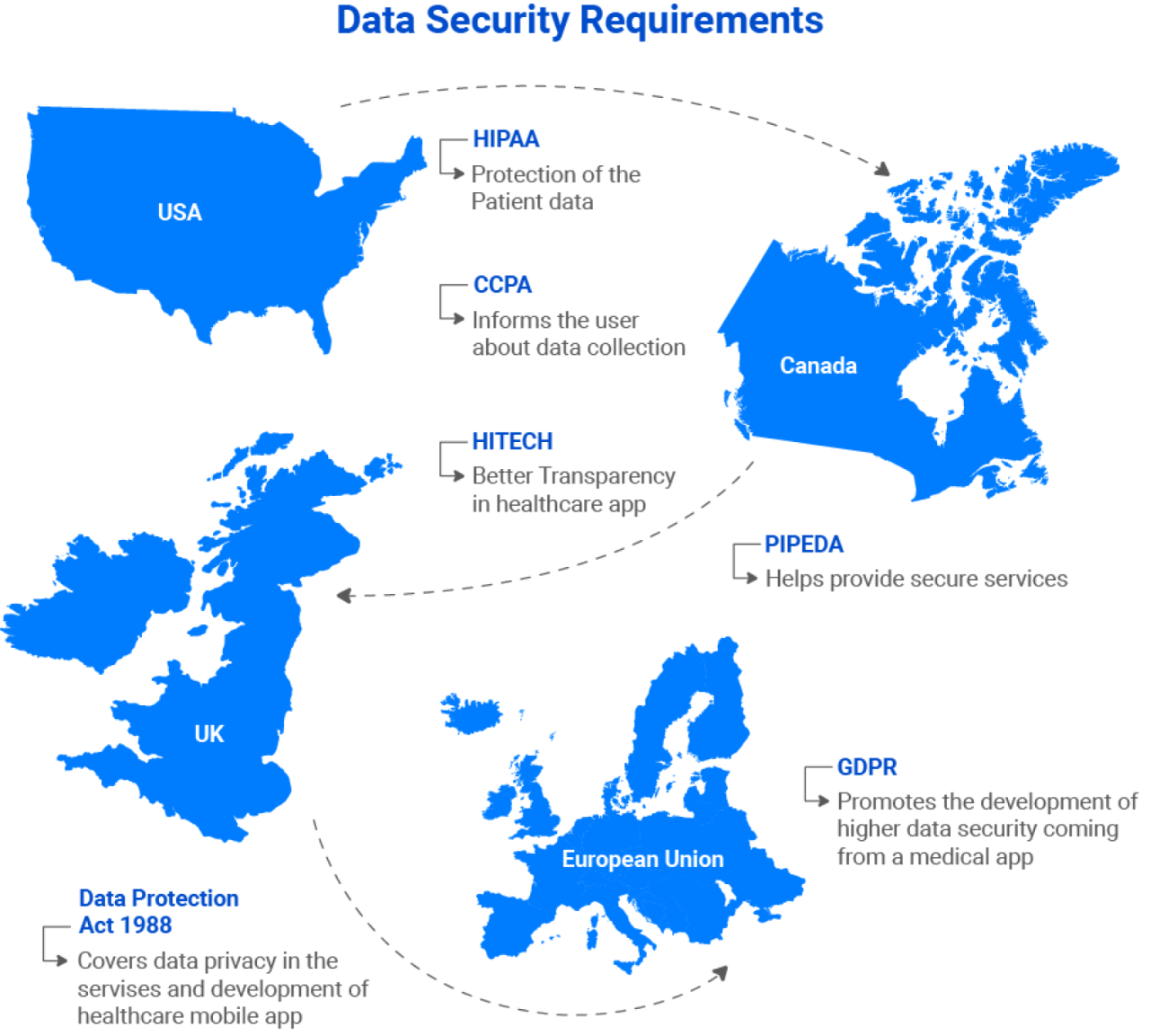
Consult legal experts on healthcare regulations like HIPAA in the U.S. and ensure your app incorporates necessary data protection measures.
What platforms should I consider for development?
Focus on both iOS and Android platforms to maximize reach, potentially using cross-platform frameworks for efficient development.
How can I promote my healthcare mobile app effectively?
Utilize social media marketing, collaborations with healthcare providers, and user testimonials to build credibility and attract users.
What are the costs involved in developing a healthcare app?
Costs can vary significantly based on complexity and features, typically ranging from a few thousand to several hundred thousand dollars.