Hair and energy jshealth is all about finding that perfect balance between your physical well-being and the vitality of your hair. In today’s fast-paced world, our energy levels and the health of our hair often reflect how well we take care of ourselves. Understanding how these two aspects are interconnected can lead to a more vibrant life.
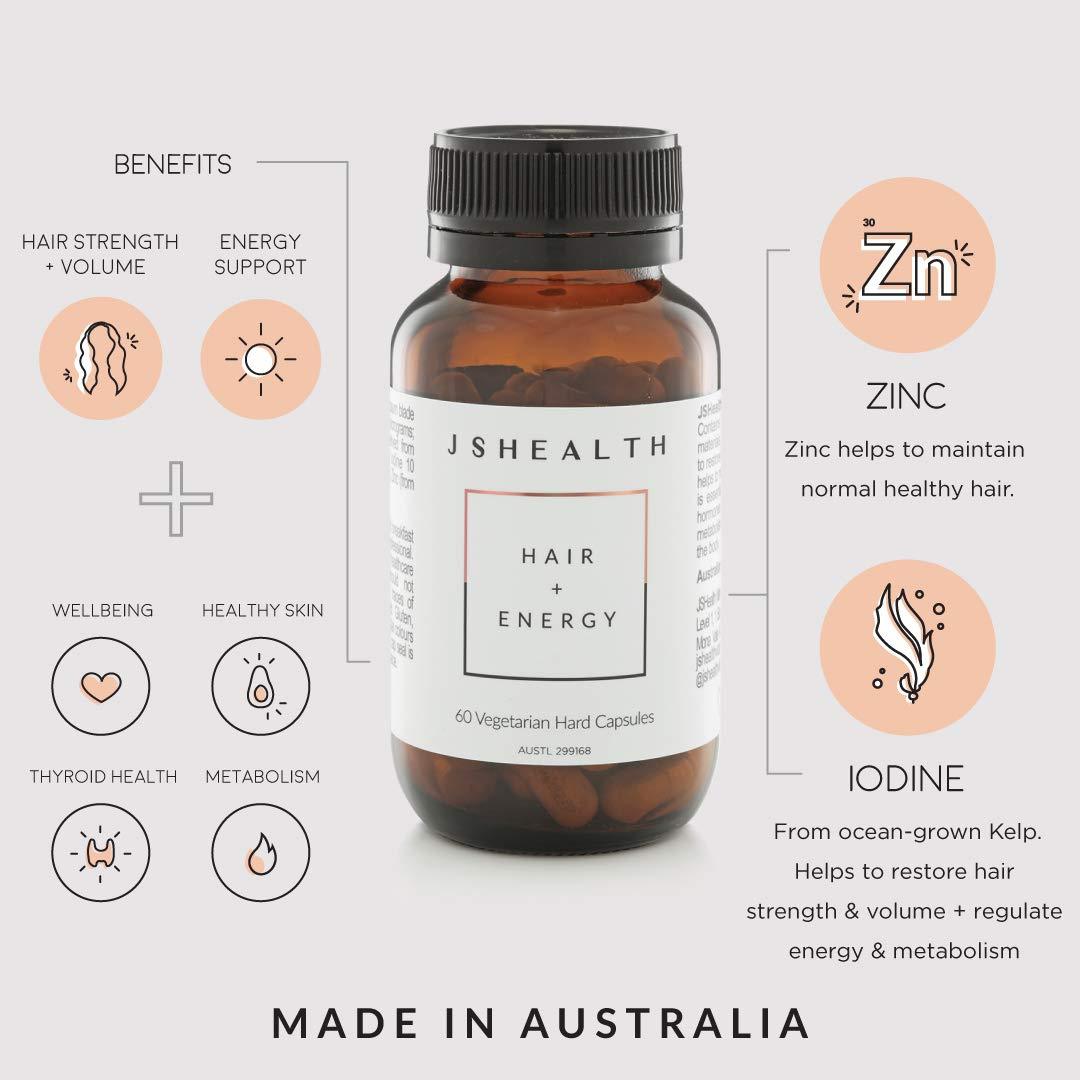
From nutrition to self-care routines, this exploration dives deep into how various factors influence both hair health and energy levels, providing insights that can help enhance your overall lifestyle.
In today’s fast-paced, interconnected world, the importance of effective communication cannot be overstated. Whether it’s in our personal lives or within the workplace, the ability to convey messages clearly and concisely is crucial for success. The rise of digital communication tools has transformed the way we interact, allowing us to connect with others regardless of geographical barriers. However, even with these advancements, the fundamentals of good communication remain constant.One of the primary aspects of effective communication is the ability to articulate thoughts in a structured manner.
This involves not only choosing the right words but also organizing those thoughts in a logical flow. For instance, when delivering a presentation, starting with a strong opening statement can grab the audience’s attention. Following that, it’s essential to provide a clear Artikel of the points to be discussed. This serves as a roadmap for the listeners, making it easier for them to follow along and stay engaged.Active listening is another critical component of communication.
It’s not just about speaking clearly but also about understanding the messages being conveyed by others. This means paying attention, asking questions, and responding appropriately. When individuals feel heard and understood, they are more likely to engage in meaningful discussions and collaborate effectively. In a professional setting, this can lead to improved teamwork and innovation as diverse ideas are shared and explored.Moreover, non-verbal communication plays a significant role in how messages are received.
Body language, facial expressions, and eye contact can all convey emotions and attitudes that words alone may not fully express. For instance, maintaining eye contact during a conversation signifies interest and confidence, while crossed arms might indicate defensiveness or disinterest. Being aware of these non-verbal cues can enhance interpersonal connections and help avoid misunderstandings.In the realm of digital communication, the nuances can differ significantly from face-to-face interactions.
Emails, instant messaging, and social media platforms each have their own protocols and etiquette. For example, when drafting an email, it’s important to maintain a professional tone while being concise. Overly casual language may undermine the seriousness of the message, while being too formal can come across as stiff or impersonal. Striking the right balance is essential for fostering positive relationships in a virtual environment.Furthermore, the impact of cultural differences on communication cannot be overlooked.
In a globalized world, individuals often interact with people from diverse backgrounds. Different cultures have varying communication styles, and being mindful of these differences can enhance understanding and collaboration. For instance, direct communication may be valued in some cultures, while others may prefer a more indirect approach. Taking the time to learn about these cultural nuances can help avoid misinterpretations and build stronger connections.Another important aspect to consider is the role of feedback in effective communication.
Constructive feedback is vital for personal and professional growth. It allows individuals to understand their strengths and areas for improvement. When giving feedback, it’s essential to be specific and focus on behaviors rather than personal traits. This approach fosters a positive atmosphere, encouraging open dialogue and continuous improvement.In addition to feedback, encouragement and praise play a significant role in communication.
Acknowledging achievements and affirming efforts can motivate individuals to continue striving for excellence. Whether in a workplace or personal setting, expressing appreciation fosters a sense of belonging and boosts morale. Simple gestures like saying “thank you” or recognizing a job well done can have a profound impact on relationships.Conflict resolution is an inevitable aspect of communication, especially in collaborative environments.
It’s essential to approach conflicts with a solution-oriented mindset. This involves addressing the issue directly while remaining respectful and calm. Active listening becomes particularly crucial during conflicts, as it allows all parties to express their views and work towards a mutually beneficial solution. By focusing on the issue at hand rather than personal attacks, individuals can navigate disagreements more effectively.Technology continues to shape the landscape of communication.
With the rise of remote work, virtual meetings have become the norm. Adapting to this change requires individuals to develop new communication skills suited for online platforms. For instance, being aware of the importance of clear visuals and engaging presentation styles can enhance virtual interactions. Additionally, mastering various digital tools can streamline communication processes and improve collaboration.In conclusion, effective communication is an essential skill that transcends various aspects of life.
Whether in personal relationships or professional environments, the ability to convey messages clearly, listen actively, and navigate cultural differences can lead to more fruitful interactions. As technology continues to evolve, adapting communication styles to fit the digital landscape will be increasingly important. Ultimately, investing time and effort into honing communication skills can yield significant rewards, fostering stronger connections and driving success in all endeavors.
Clarifying Questions
What are the best foods for hair and energy health?
Foods rich in vitamins A, C, D, E, zinc, iron, and omega-3 fatty acids support both hair health and energy.
Can stress affect my hair and energy levels?
Absolutely! High stress can lead to hair loss and fatigue, so managing stress is crucial for both.
How often should I wash my hair to maintain energy levels?
It’s best to wash your hair based on your hair type; generally, 2-3 times a week is sufficient for most people.

Does hydration play a role in hair and energy?
Yes, staying hydrated is vital for maintaining energy levels and promoting healthy hair growth.
What lifestyle changes can improve both hair and energy?
Incorporating regular exercise, balanced nutrition, and stress-reducing practices can greatly improve both areas.