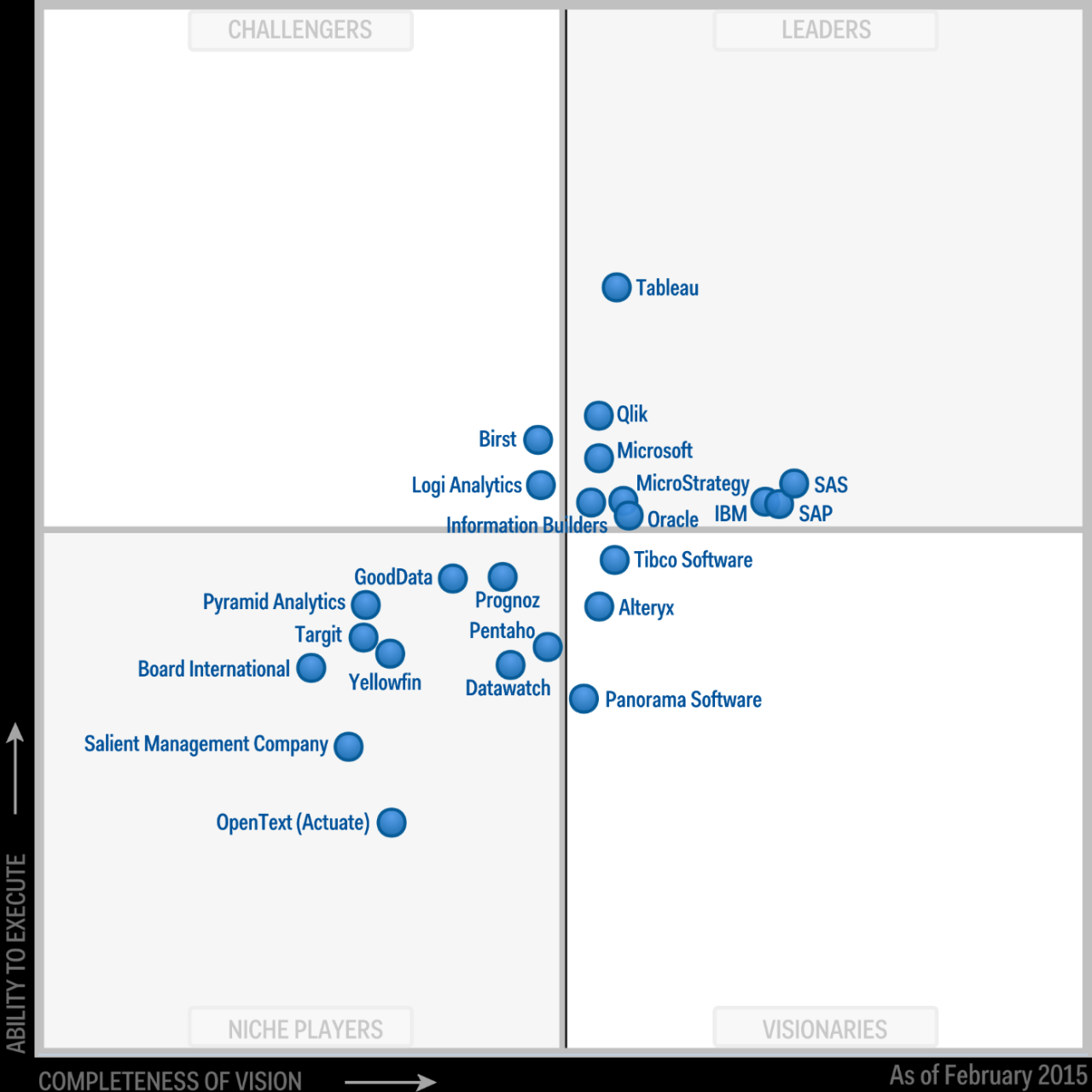
Kicking off with gartner analytics and business intelligence platforms, this overview dives into how these tools shape modern data-driven decision-making in organizations today. In an era where data is the lifeblood of effective business strategies, understanding the capabilities and functionalities offered by these platforms is essential for success.
This discussion will explore the significance of analytics in business intelligence, highlighting the diverse features that empower companies to leverage their data for strategic advantages. From visualizing complex datasets to uncovering actionable insights, gartner analytics platforms play a vital role in transforming raw data into meaningful business strategies.
In recent years, the concept of remote work has evolved from a niche arrangement to a mainstream practice, fundamentally changing how businesses operate and how employees experience their work life. The COVID-19 pandemic acted as a significant catalyst, forcing companies worldwide to adopt remote work policies almost overnight. As we gradually move beyond the immediate crisis, it’s essential to examine the implications of this shift, its benefits and challenges, and what the future might hold for remote work.
Understanding the Shift to Remote Work
Before the pandemic, remote work was often seen as a perk offered by progressive companies. According to a survey conducted by FlexJobs in 2019, 65% of respondents expressed a desire to work remotely. However, many organizations were hesitant to embrace this model fully, fearing decreased productivity and challenges in team collaboration.
The pandemic forced organizations to pivot quickly, showcasing that remote work could be not only feasible but also effective. Companies that had previously resisted this model found themselves implementing it, leading to a broader acceptance of flexible work arrangements. The realization that productivity could remain high outside traditional office spaces has led to a reevaluation of workplace policies.
The Benefits of Remote Work
1. Increased Flexibility: One of the most significant advantages of remote work is flexibility. Employees can tailor their work hours to fit their personal lives better, leading to improved work-life balance. This flexibility allows parents to manage childcare, and individuals to pursue hobbies or further education without sacrificing their professional commitments.
2. Cost Savings: Both employees and employers can benefit from financial savings. For employees, avoiding daily commutes and reducing expenses on work attire and meals can lead to substantial savings. Employers, on the other hand, can decrease overhead costs associated with maintaining physical office spaces, which can be redirected towards talent acquisition and development.
3. Access to a Broader Talent Pool: Remote work allows companies to tap into a global pool of talent. Businesses are no longer restricted to hiring individuals within commuting distance of their offices. This can lead to increased diversity and the ability to find the best candidates for specific roles, regardless of geographical location.
4. Enhanced Productivity: Contrary to the initial concerns about productivity, many studies indicate that remote workers tend to be more productive. Working in a comfortable environment without the distractions of a bustling office can lead to improved focus and efficiency. Additionally, employees often put in more hours when they work remotely, which can further boost productivity levels.

Challenges of Remote Work
While remote work offers numerous benefits, it also comes with its own set of challenges that both employees and employers must navigate.
1. Communication Barriers: The shift to remote work can create communication hurdles, as face-to-face interactions are limited. Misunderstandings can occur more frequently when relying solely on written communication or video calls. Companies must invest in the right tools and establish clear communication protocols to ensure effective collaboration.
2. Isolation and Loneliness: Working remotely can lead to feelings of isolation and loneliness, as employees miss the social interactions that come with being in a physical office. To combat this challenge, organizations should encourage team-building activities and regular check-ins to foster connection and camaraderie among remote employees.
3. Work-Life Boundaries: Although remote work can enhance flexibility, it can also blur the lines between work and personal life. Employees may find it challenging to “switch off,” leading to burnout. Companies should promote a culture that respects personal time and encourages employees to set boundaries to maintain their well-being.
Best Practices for Successful Remote Work
To maximize the benefits of remote work while minimizing its drawbacks, organizations should consider implementing the following best practices:
1. Invest in Technology: Providing employees with the right tools and technology is essential for effective remote work. This includes reliable communication platforms, project management software, and cybersecurity measures to protect sensitive company information.
2. Establish Clear Expectations: Clarity is crucial for remote teams. Employers should set clear expectations regarding work hours, deliverables, and communication practices. Regularly revisiting these expectations can help keep everyone aligned and accountable.
3. Prioritize Employee Well-Being: Organizations should prioritize the mental and emotional well-being of their employees. Offering mental health resources, flexible work schedules, and encouraging regular breaks can significantly improve employee satisfaction and productivity.
4. Foster Team Culture: Building a strong team culture in a remote environment can be achieved through virtual team-building activities, regular feedback sessions, and recognition of individual and team achievements. Maintaining a sense of belonging is essential for remote employees.
The Future of Remote Work
As we look to the future, it’s clear that remote work is here to stay. Many companies are adopting hybrid models that combine remote and in-office work, allowing employees to enjoy the best of both worlds. This flexible approach is likely to become the standard, as it accommodates diverse working styles and personal circumstances.
Moreover, as technology continues to advance, we can expect further innovations that will enhance remote work experiences. Virtual reality meetings, AI-driven productivity tools, and improved collaborative platforms are just a few examples of how the remote work landscape may evolve.
Conclusion
In summary, the shift to remote work has brought about significant changes in the workplace landscape. While it presents various benefits, such as flexibility and increased productivity, it also poses unique challenges that need to be addressed. By embracing best practices and fostering a supportive work culture, companies can create an environment where remote workers thrive. As we move forward, the ongoing evolution of remote work will undoubtedly shape the future of how we approach work, collaboration, and professional relationships.
Clarifying Questions
What are gartner analytics platforms?
Gartner analytics platforms are tools that help businesses analyze data to derive actionable insights, facilitating better decision-making.
How do these platforms differ from traditional business intelligence tools?
Unlike traditional tools, gartner analytics platforms often incorporate advanced features such as predictive analytics and machine learning to enhance data analysis.
Can small businesses benefit from using gartner analytics platforms?
Yes, small businesses can leverage these platforms to gain insights that help them compete effectively in their markets.
What skills are needed to effectively utilize gartner analytics platforms?
Users should have analytical skills, familiarity with data visualization tools, and a basic understanding of statistical concepts to maximize the use of these platforms.
Are there any costs associated with gartner analytics platforms?
Yes, many gartner analytics platforms come with licensing fees or subscription costs, which vary based on features and service levels.