Ed Harris cowboy movie brings to life the rugged allure of the Wild West, captivating audiences with its unique storytelling and powerful performances. As a seasoned actor known for his depth and versatility, Harris takes on a role that not only showcases his talent but also pays homage to the genre’s rich history.
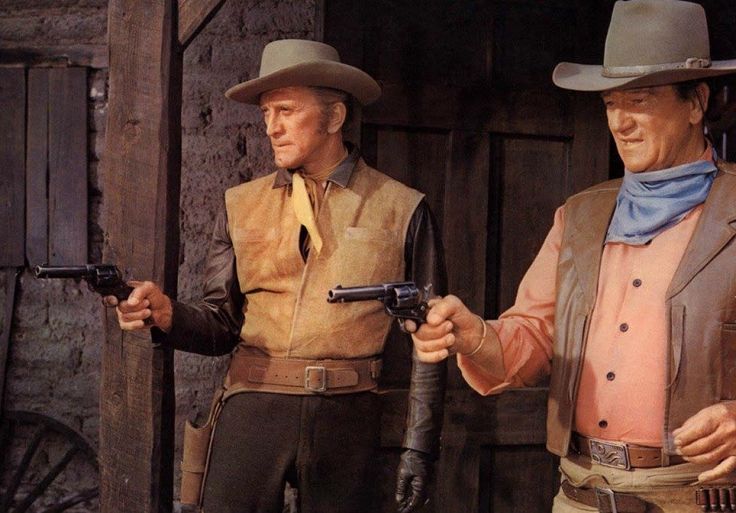
With a blend of action, drama, and moral dilemmas, this film invites viewers to reflect on the complexities of cowboy life and its cultural significance. As we delve deeper into the themes and narrative, it becomes clear why this movie resonates with both classic Western enthusiasts and modern audiences alike.
In the fast-paced world we live in today, the importance of effective communication cannot be overstated. Whether in our personal lives or professional environments, the ability to convey thoughts and ideas clearly can make a significant difference. This article delves into the nuances of communication, exploring its various forms, the barriers that can hinder it, and best practices to enhance our communication skills.
Communication, at its core, is the process through which we share information, ideas, and feelings. It can take many forms, including verbal, non-verbal, written, and visual. Each of these forms has its unique characteristics and applications. Verbal communication, for instance, involves spoken words, while non-verbal communication includes body language, facial expressions, and gestures. Written communication encompasses emails, reports, texts, and any other form of written correspondence.
Visual communication, on the other hand, involves the use of visual aids like charts, graphs, and images to convey information.
One of the most significant barriers to effective communication is misunderstanding. Often, the sender’s intended message gets lost in translation, leading to confusion and misinterpretation. Factors such as cultural differences, language barriers, and even different interpretations of the same words can contribute to this issue. For example, a phrase that is considered polite in one culture may be seen as rude in another.
This underscores the importance of being aware of our audience and adapting our communication style accordingly.
Another common barrier is the emotional state of the individuals involved in the communication process. Emotions can significantly influence how messages are sent and received. For instance, if someone is feeling stressed or angry, they may not communicate effectively, leading to a breakdown in dialogue. Furthermore, the receiver’s emotional response may shape their interpretation of the message. Hence, it’s crucial to cultivate emotional intelligence, which involves being aware of and managing one’s emotions and understanding the emotions of others.
To improve communication skills, one should practice active listening. Active listening involves fully concentrating on what the speaker is saying rather than merely hearing the words. This means giving the speaker your undivided attention, acknowledging their message, and responding thoughtfully. By doing so, you not only show respect to the speaker but also gain a deeper understanding of their perspective.
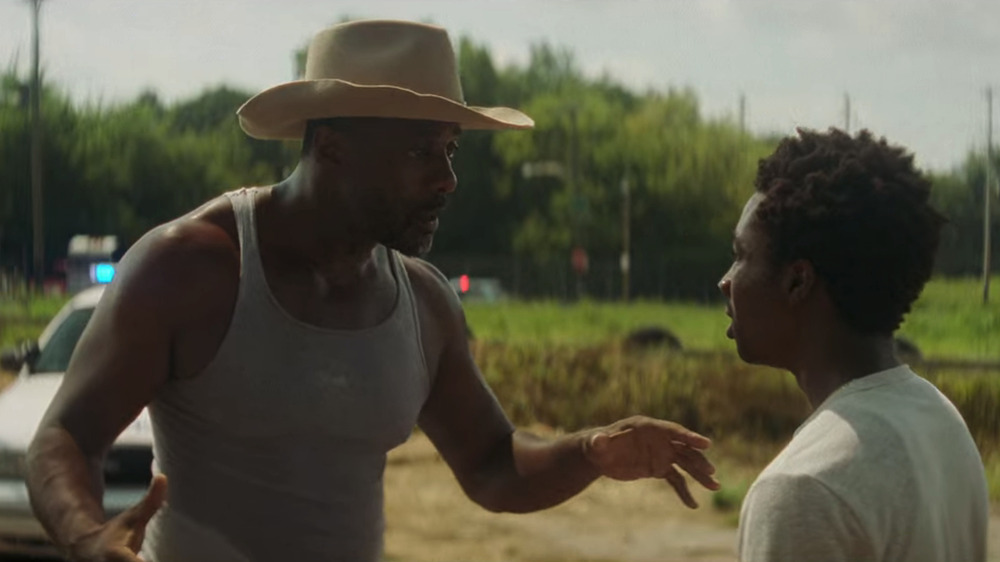
Techniques like summarizing what the speaker has said or asking clarifying questions can enhance active listening and ensure that both parties are on the same page.
Additionally, clarity is paramount in communication. Using clear and concise language helps in minimizing misunderstandings. This involves choosing words carefully and avoiding jargon that might not be familiar to the audience. When writing, for example, one should aim for straightforward sentences that convey the intended message without ambiguity. Being clear also means structuring information logically, guiding the audience through your points in a coherent manner.
Another essential aspect of effective communication is feedback. Providing and receiving feedback is crucial in any communicative scenario, as it allows for adjustments and improvements. Constructive feedback, delivered in a considerate manner, can help individuals understand areas of strength and those needing enhancement. Similarly, when receiving feedback, it’s important to remain open-minded and view it as an opportunity for growth rather than criticism.
Moreover, understanding the role of non-verbal communication can significantly enhance overall communication effectiveness. Non-verbal cues, such as eye contact, gestures, and posture, can reinforce or contradict the spoken message. For instance, maintaining eye contact can convey confidence and interest, while crossed arms might suggest defensiveness or disinterest. Being mindful of these non-verbal signals, both in ourselves and in others, can provide valuable context to the conversation.
In today’s digital age, written communication has become increasingly prevalent. Emails, instant messages, and social media platforms offer new avenues for interaction but also come with their own set of challenges. For example, the lack of tone in written communication can sometimes lead to misinterpretations. To counteract this, using emoticons or clear language can help convey the intended emotional tone.
Additionally, being concise and respectful in your written correspondence can foster a more positive exchange.
Visual communication, too, plays a vital role in how we share information. Visual aids can enhance understanding, retention, and engagement. In presentations, for instance, incorporating graphs, images, and videos can make the content more relatable and easier to grasp. However, it’s essential to ensure that these visuals are relevant and not overwhelming, as too much information can have the opposite effect.
Finally, it is important to continuously assess and refine your communication skills. This involves seeking opportunities for improvement, whether through workshops, reading, or self-reflection. Engaging in role-playing exercises or joining groups focused on public speaking can provide practical experience and bolster confidence. Furthermore, reflecting on past communications can help identify patterns and areas for growth.
In conclusion, effective communication is a multifaceted skill that requires ongoing practice and awareness. By understanding the various forms of communication, recognizing potential barriers, and actively working to improve our skills, we can become more effective communicators. This not only enhances our personal relationships but also contributes to professional success, paving the way for better collaboration, innovation, and understanding in our increasingly interconnected world.
Key Questions Answered
What is the main plot of Ed Harris’s cowboy movie?
The film follows the journey of a cowboy facing moral dilemmas and personal challenges as he navigates the harsh realities of the Wild West.
Who directed the Ed Harris cowboy movie?
The film is directed by a prominent filmmaker known for their work in the Western genre, though specific names may vary based on the individual project.
What themes are explored in the movie?

The movie delves into themes of honor, redemption, and the struggle between individual desires and societal expectations.
Are there any notable supporting characters?
Yes, the film features several interesting supporting characters that enhance the storyline and contribute to the protagonist’s journey.
How has the movie been received by critics?
The film has garnered a mix of reviews, with many praising Harris’s performance and the film’s cinematography while discussing its adherence to or deviation from traditional Western tropes.