Kicking off with customer service software, this pivotal tool is designed to streamline interactions between businesses and their customers, ensuring satisfaction and effective communication. In today’s fast-paced digital world, having reliable customer service software is not just a luxury; it’s a necessity that enables companies to manage inquiries efficiently and provide support across various platforms.
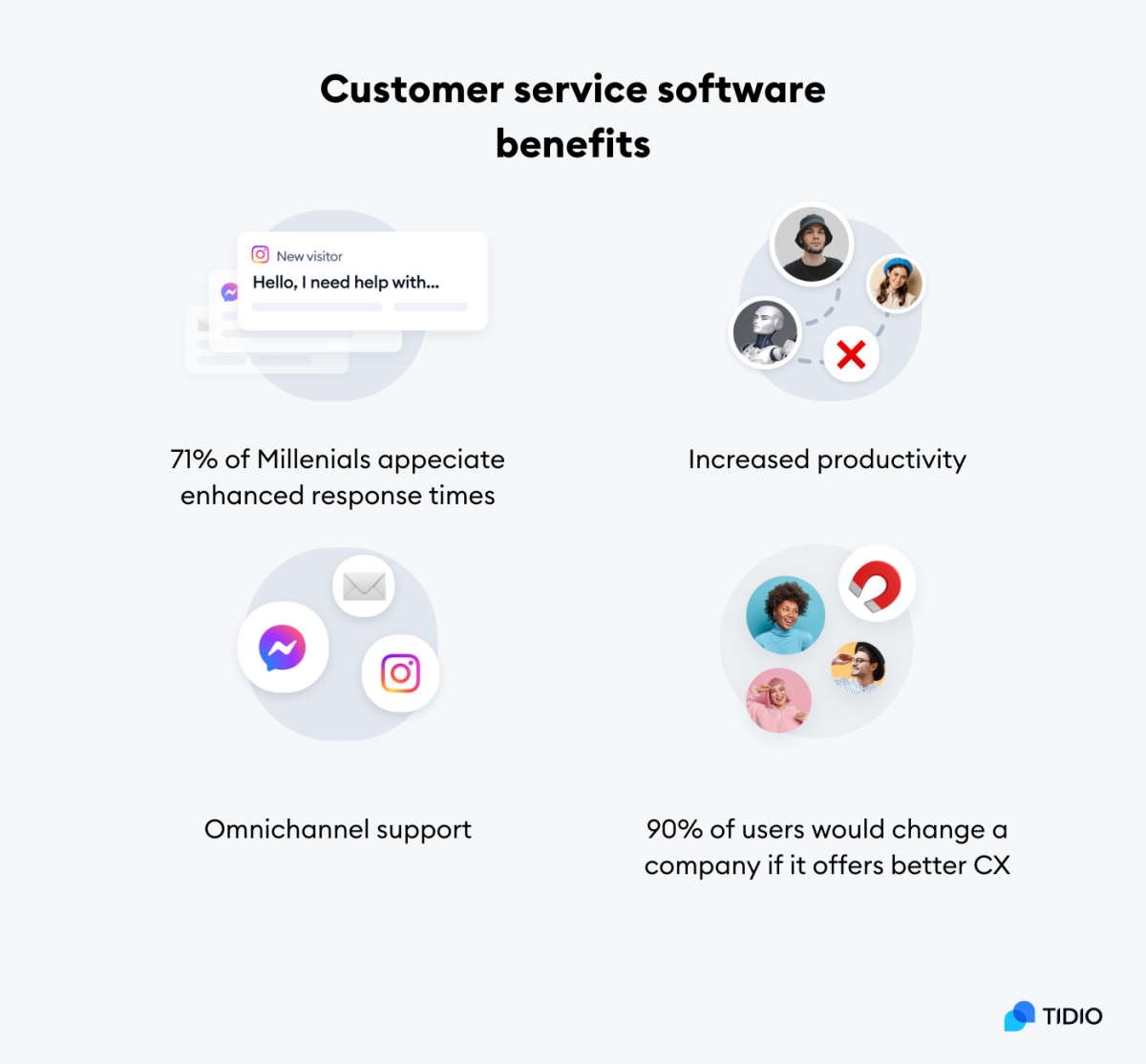
From automated chatbots to comprehensive ticketing systems, customer service software encompasses a wide range of functionalities that cater to the diverse needs of users. It helps in tracking customer interactions, managing responses, and improving the overall service experience.
In today’s fast-paced world, the concept of self-care has garnered significant attention and importance. It is often seen as a luxury, but in reality, it’s a necessity for maintaining both mental and physical well-being. Self-care encompasses a wide range of activities that individuals can engage in to improve their health, reduce stress, and enhance their overall quality of life. This article will explore the various dimensions of self-care, its importance, and practical ways to incorporate it into daily routines.
### Understanding Self-Care
Self-care refers to the deliberate activities that individuals undertake to maintain or improve their health. These activities can be physical, emotional, social, spiritual, or psychological in nature. The key to effective self-care is recognizing that it is a personal journey and that what works for one person may not work for another.
While many people associate self-care with pampering—such as spa days or luxurious bubble baths—it is much broader than that. Self-care can be as simple as taking a moment to breathe deeply, going for a walk, or setting boundaries with others to protect your time and energy.
### Why is Self-Care Important?
1. Enhances Well-being: Engaging in regular self-care can significantly enhance your well-being. It promotes relaxation, reduces anxiety, and increases your ability to handle stress. When you take the time to care for yourself, you are better equipped to care for others.
2. Boosts Productivity: When you prioritize self-care, you are likely to experience increased productivity. Taking breaks and allowing yourself time to recharge can lead to improved focus and efficiency in your work and personal tasks.
3. Prevents Burnout: In our busy lives, it’s easy to fall into the trap of overworking or neglecting our needs. Regular self-care can help prevent burnout, ensuring that you maintain a healthy work-life balance.
4. Promotes Healthy Relationships: When you focus on your own well-being, you are in a better position to nurture and maintain healthy relationships with others. You’ll find that you have more patience, empathy, and energy to invest in your connections.
5. Encourages Self-Awareness: Self-care encourages you to become more in tune with your body and mind. This self-awareness can lead to better decision-making and a greater understanding of your needs.
### Practical Self-Care Strategies
1. Physical Self-Care:
– Exercise: Regular physical activity is crucial. Find an exercise routine that you enjoy, whether it’s dancing, swimming, yoga, or even brisk walking.
– Nutrition: Eating a balanced diet rich in fruits, vegetables, whole grains, and lean proteins can significantly impact your energy levels and mood.
– Sleep: Prioritize getting enough quality sleep each night. Create a relaxing bedtime routine and aim for 7-9 hours of sleep.
2. Emotional Self-Care:
– Mindfulness and Meditation: Incorporate mindfulness practices or meditation into your daily routine to help manage stress and promote relaxation.
– Journaling: Writing down your thoughts and feelings can be a great way to process emotions and reflect on your experiences.
– Seek Support: Don’t hesitate to reach out to friends, family, or a mental health professional when you need support.
3. Social Self-Care:
– Connect with Others: Spend quality time with friends and family. Connection is vital for emotional well-being.
– Set Boundaries: Learn to say no to commitments that drain your energy. Prioritizing your time is essential for self-care.
4. Spiritual Self-Care:
– Practice Gratitude: Regularly reflecting on what you are grateful for can enhance your overall mood and outlook on life.
– Engage in Spiritual Practices: Whether through religion, meditation, or spending time in nature, find what nourishes your spirit.
5. Creative Self-Care:
– Engage in Hobbies: Make time for creative pursuits that bring you joy, whether it’s painting, gardening, cooking, or playing an instrument.
– Explore New Skills: Challenge yourself to learn something new. This can be both fulfilling and stimulating.
### Creating a Self-Care Plan
To effectively incorporate self-care into your life, consider creating a self-care plan. Here are some steps to get started:
– Assess Your Needs: Take some time to think about what areas of your life feel neglected. Is it your physical health, emotional well-being, or social connections? Identifying these areas will help you prioritize your self-care activities.
– Set Goals: Based on your assessment, set achievable self-care goals. Start small and gradually incorporate more activities into your routine.
– Schedule Time for Self-Care: Just as you would schedule work meetings or appointments, allocate specific times for self-care in your calendar. Treat these appointments as non-negotiable.
– Review and Adjust: Periodically review your self-care plan. Are the activities you’ve chosen effective? Do you need to adjust your goals or try new activities?
### Conclusion
Self-care is not a one-size-fits-all approach, but rather a personalized journey that requires self-awareness and intention. By making self-care a priority, you can enhance your well-being, prevent burnout, and improve your relationships. Remember, taking care of yourself is not a selfish act; it’s an essential component of living a fulfilling life. Start small, be consistent, and enjoy the journey towards a healthier, happier you.