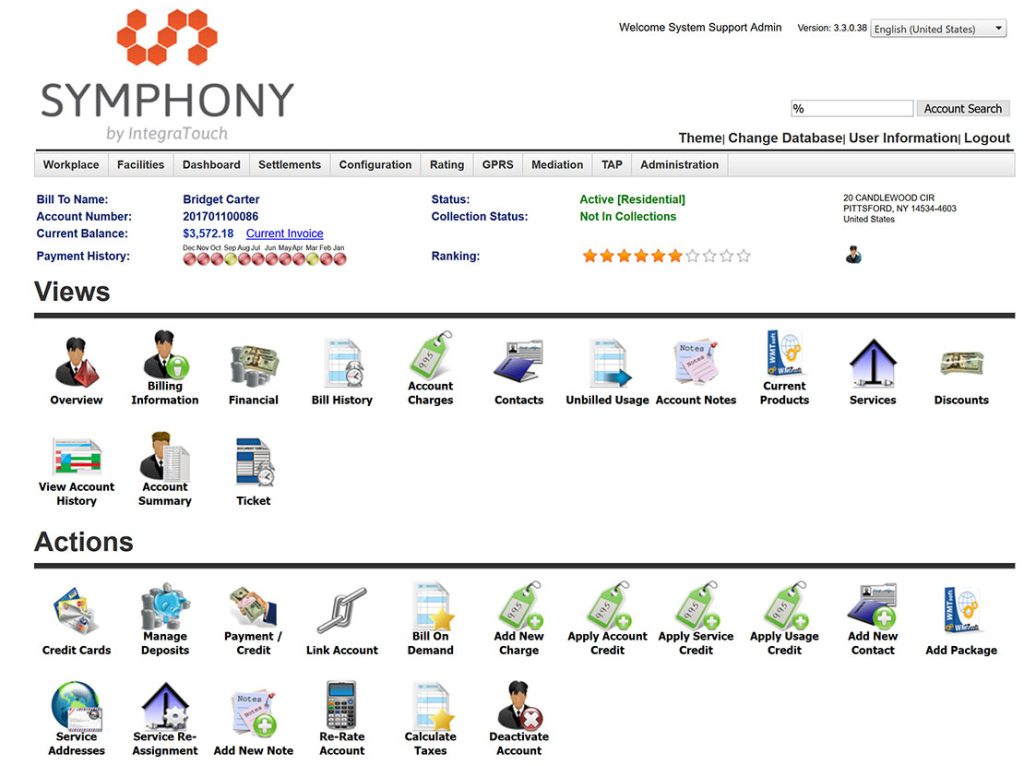
As crm telemarketing software takes center stage, it revolutionizes the way businesses connect with customers. This technology not only streamlines communication but also enhances the efficiency of marketing strategies, allowing companies to reach their target audiences more effectively. With the growing importance of personalized outreach in today’s competitive market, understanding how crm telemarketing software can benefit your business is essential.
From managing customer relationships to automating call processes, crm telemarketing software integrates various functionalities that empower sales teams. The ability to track interactions, analyze data, and optimize campaigns is crucial for maximizing sales potential. As we delve deeper into the features and advantages of this software, it becomes clear why it is a game-changer for businesses looking to boost their outreach efforts.
In a world that is increasingly driven by technology, it’s essential to understand how various advancements shape our daily lives. From the smartphones we carry to the smart homes we aspire to create, technology has revolutionized the way we communicate, work, and even relax. This article explores some of the most significant technological trends that have emerged in recent years and how they impact our lives.
One of the most notable advancements is the rise of artificial intelligence (AI). AI technology is no longer confined to science fiction; it has become an integral part of our everyday experiences. From virtual assistants like Siri and Alexa to more complex systems that predict consumer behavior, AI is reshaping industries and enhancing productivity. The ability of AI to analyze vast amounts of data quickly and accurately allows businesses to make informed decisions and tailor their services to meet customer needs.
Moreover, AI is transforming the healthcare sector. With AI-driven diagnostic tools, doctors can now detect diseases earlier and more accurately than ever before. Machine learning algorithms can analyze medical imaging data, predicting potential health risks and aiding in personalized treatment plans. The integration of AI into healthcare not only improves patient outcomes but also streamlines operations, allowing medical professionals to focus on what matters most: patient care.
Another significant trend is the proliferation of the Internet of Things (IoT). IoT refers to the network of interconnected devices that communicate and exchange data with one another. Smart home devices, such as thermostats, lights, and security systems, are examples of IoT applications that enhance convenience and efficiency in our lives. Imagine being able to control your home’s temperature or security system from your smartphone, even when you’re miles away.
This level of control not only improves comfort but also promotes energy efficiency and security.
IoT is also making waves in agriculture, where sensors and devices help farmers monitor crop health and environmental conditions in real-time. This data-driven approach allows for better resource management, leading to increased yields and reduced waste. As the global population continues to grow, the need for sustainable agricultural practices becomes more critical, and IoT provides a promising solution.
In addition to AI and IoT, the advancements in cloud computing have transformed how businesses operate. Cloud technology enables companies to store and access data over the internet, providing flexibility and scalability that traditional on-premises solutions cannot match. Businesses can now adapt quickly to changing market conditions by scaling their IT resources up or down as needed. Furthermore, cloud computing promotes collaboration, allowing teams to work together seamlessly from different locations.
As remote work becomes the norm, the importance of collaboration tools cannot be overstated. Platforms like Slack, Microsoft Teams, and Zoom have become essential for maintaining communication and productivity in a dispersed workforce. These tools offer a wide range of features, from video conferencing to file sharing, that streamline the workflow process. As a result, organizations can maintain efficiency and encourage teamwork, regardless of where their employees are located.

Cybersecurity is another critical aspect of technology that cannot be overlooked. With the growing reliance on digital solutions comes the increased risk of cyber threats. Data breaches and hacking incidents can have devastating consequences for businesses and individuals alike. As such, organizations must prioritize cybersecurity measures to protect sensitive information and maintain customer trust. This includes implementing robust security protocols, conducting regular audits, and educating employees about potential threats.
The rise of cryptocurrencies and blockchain technology has also garnered significant attention in recent years. Cryptocurrencies like Bitcoin and Ethereum offer an alternative to traditional financial systems, enabling peer-to-peer transactions without the need for intermediaries. Blockchain, the underlying technology behind cryptocurrencies, provides a decentralized and transparent ledger system that enhances security and trust in transactions. As more businesses explore the potential of blockchain, it could revolutionize industries such as finance, supply chain, and healthcare.
Moreover, the shift towards sustainable technologies has become increasingly important in today’s world. Climate change and environmental degradation pose significant challenges, and technology plays a crucial role in addressing these issues. Renewable energy sources, such as solar and wind power, are becoming more accessible and affordable, contributing to a greener future. Innovations in energy storage and smart grids are also enhancing the efficiency of energy distribution, further promoting sustainability.
While embracing technology brings numerous benefits, it’s essential to consider the ethical implications that accompany these advancements. Issues such as data privacy, algorithmic bias, and the digital divide require careful thought and discussion. As technology continues to evolve, society must ensure that these advancements serve the greater good and do not exacerbate existing inequalities. This involves fostering an inclusive approach to technology development that considers diverse perspectives and needs.
In conclusion, technology is undoubtedly shaping the future in remarkable ways. From AI and IoT to cloud computing and sustainable solutions, the potential for innovation is limitless. As we navigate this technological landscape, it’s crucial to remain informed and proactive, leveraging these advancements to enhance our lives while addressing the ethical challenges that arise. The future is bright, but it is up to us to ensure that technology is harnessed for the benefit of all.
Expert Answers
What is crm telemarketing software?
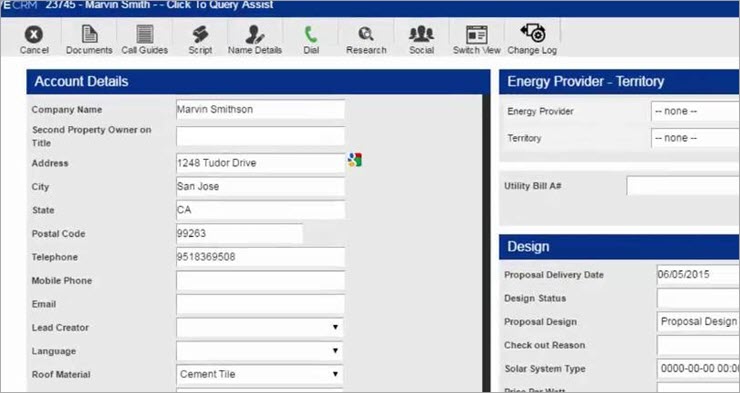
It is a tool that combines customer relationship management and telemarketing functionalities to improve outreach and communication with clients.
How can crm telemarketing software benefit my business?
It enhances efficiency in managing customer interactions, automates calls, and provides valuable data analytics for informed decision-making.
Is training required to use crm telemarketing software?
While many systems are user-friendly, some training may be beneficial to maximize the software’s features and capabilities.
Can crm telemarketing software integrate with other systems?
Yes, most crm telemarketing software solutions offer integrations with various platforms to streamline operations and data flow.
What should I look for in crm telemarketing software?
Key features to consider include ease of use, integration options, reporting capabilities, and customer support.