As crm software hipaa compliant takes center stage, this opening passage beckons readers into a world crafted with good knowledge, ensuring a reading experience that is both absorbing and distinctly original.
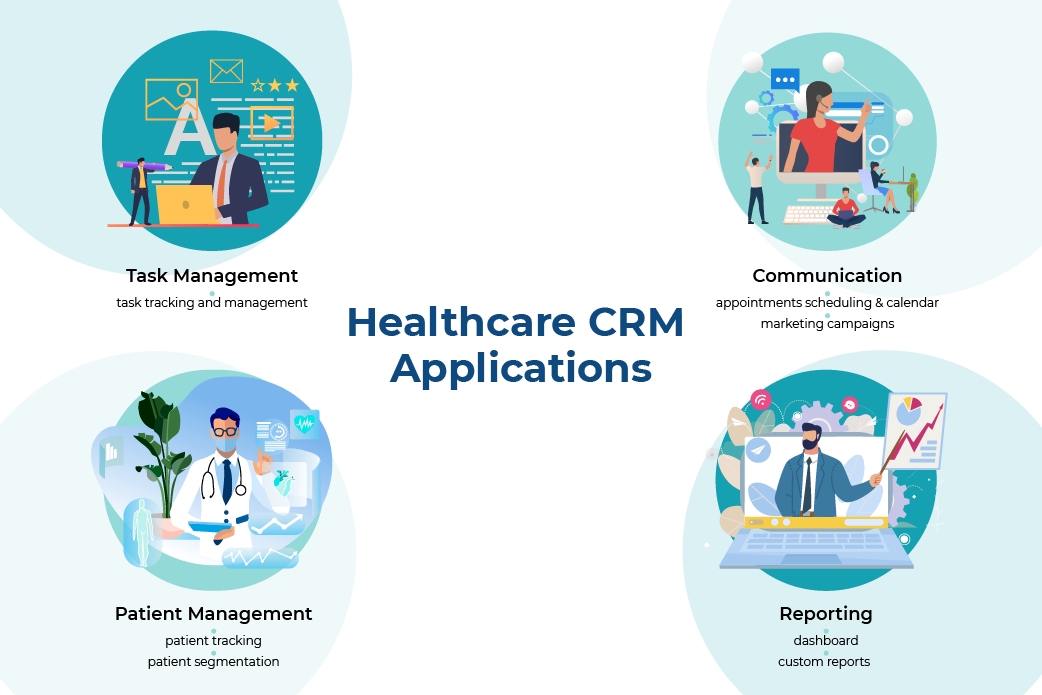
In today’s healthcare environment, maintaining patient privacy and security is paramount. CRM software that complies with HIPAA regulations not only safeguards sensitive patient information but also enhances operational efficiency, enabling healthcare providers to focus on patient care. This overview will delve into the significance of HIPAA-compliant CRM systems, exploring their features, benefits, and the vital role they play in modern healthcare.
In recent years, the conversation around sustainability has gained significant traction, becoming a central theme in discussions about our planet’s future. As we witness the effects of climate change, dwindling natural resources, and increasing pollution, it’s clear that adopting sustainable living practices is no longer just a trend but a necessity. This article delves into what sustainable living means, why it matters, and practical steps individuals can take to contribute to a healthier planet.
What is Sustainable Living?
Sustainable living refers to a lifestyle that aims to reduce an individual’s or society’s use of the Earth’s natural resources. It encompasses a variety of practices that promote environmental stewardship, such as conserving energy, reducing waste, and supporting renewable resources. The overarching goal is to create a balance between the ecological health of our planet and human needs, ensuring that future generations can enjoy the same resources and quality of life that we do today.
Why Does Sustainable Living Matter?
The reasons for adopting sustainable practices are numerous, and they encompass environmental, economic, and social dimensions. Here are a few critical points to consider:
- Environmental Protection: Unsustainable practices have led to significant environmental degradation, including deforestation, loss of biodiversity, and pollution. By shifting towards sustainable living, individuals can help mitigate these impacts and preserve the planet’s ecosystems.
- Resource Conservation: Many of the resources we rely on, such as fossil fuels, clean water, and arable land, are finite. Sustainable living encourages the responsible use and preservation of these resources, ensuring that they are available for future use.
- Economic Benefits: Sustainable practices can lead to cost savings, particularly through energy efficiency and waste reduction. By minimizing unnecessary consumption and focusing on sustainable products, individuals and businesses can lower their expenses.
- Social Responsibility: Sustainable living promotes a sense of community and responsibility towards others. By choosing to support local businesses and engage in environmentally friendly practices, individuals can contribute to the well-being of their communities.
Practical Steps Towards Sustainable Living
Transitioning to a sustainable lifestyle might seem daunting, but it can be achieved through small, manageable changes. Here are some practical steps anyone can take:
1. Reduce, Reuse, Recycle
The three R’s are foundational principles of sustainable living. Reducing waste starts with being mindful of what you purchase and how much you consume. Opt for reusable items instead of single-use products, and recycle materials like paper, glass, and plastic whenever possible. By committing to reducing waste, individuals can significantly lessen their ecological footprint.
2. Choose Sustainable Products
Becoming a conscious consumer involves selecting products that are eco-friendly, ethically sourced, and produced by companies committed to sustainability. Look for certifications such as Fair Trade, USDA Organic, or Energy Star to make informed choices that align with sustainable practices.
3. Conserve Energy
Energy conservation is a critical aspect of sustainable living. Simple actions like turning off lights when not in use, unplugging electronics, and using energy-efficient appliances can drastically reduce energy consumption. Additionally, consider utilizing renewable energy sources such as solar panels to further decrease reliance on fossil fuels.
4. Support Local and Organic Food Sources
Food production is a significant contributor to environmental degradation, from chemical pesticides to greenhouse gas emissions. Choosing to support local farmers’ markets and organic food producers can help reduce your carbon footprint while also promoting sustainable agricultural practices. Additionally, growing your own fruits and vegetables can be a rewarding step towards self-sufficiency and sustainability.
5. Use Public Transport or Carpool
Transportation is another major contributor to carbon emissions. Utilizing public transportation, carpooling with friends or coworkers, or even biking or walking when possible can lessen your impact on the environment. These choices not only reduce emissions but can also save money on fuel costs.
6. Reduce Water Consumption
Water is a precious resource, and conserving it should be a priority for everyone. Simple measures can make a big difference, such as fixing leaks, taking shorter showers, and using water-efficient fixtures. Being mindful of water use is an essential aspect of sustainable living.
The Role of Technology in Sustainable Living
Technology plays a crucial role in advancing sustainable practices. Innovations such as smart home devices can help monitor and reduce energy consumption, while apps can guide users in making sustainable choices. The rise of electric vehicles also offers a greener alternative to traditional cars, further supporting the transition towards a sustainable future.
Moreover, advancements in agricultural technology, such as vertical farming and hydroponics, can lead to more efficient food production methods that require less land and water. As we continue to develop and implement these technologies, the potential to achieve significant improvements in sustainability increases.
Conclusion: A Collective Journey Towards Sustainability
Embracing sustainable living is a collective journey that requires commitment from individuals, communities, and governments alike. While the challenges may seem overwhelming, every small action contributes to a more sustainable future. By being mindful of our consumption habits, supporting sustainable practices, and advocating for policies that prioritize environmental health, we can create a world that is not only livable but thriving for generations to come.
Ultimately, sustainable living is about making conscious choices that reflect our values and commitment to the planet. It’s a lifestyle that encourages us to be responsible stewards of the Earth, ensuring that we leave it in a better state than we found it.
Query Resolution
What is HIPAA compliance in CRM software?
HIPAA compliance in CRM software ensures that the system meets the regulatory standards for protecting patient health information, maintaining confidentiality, and securing data.
Why is it important to use HIPAA-compliant CRM software?
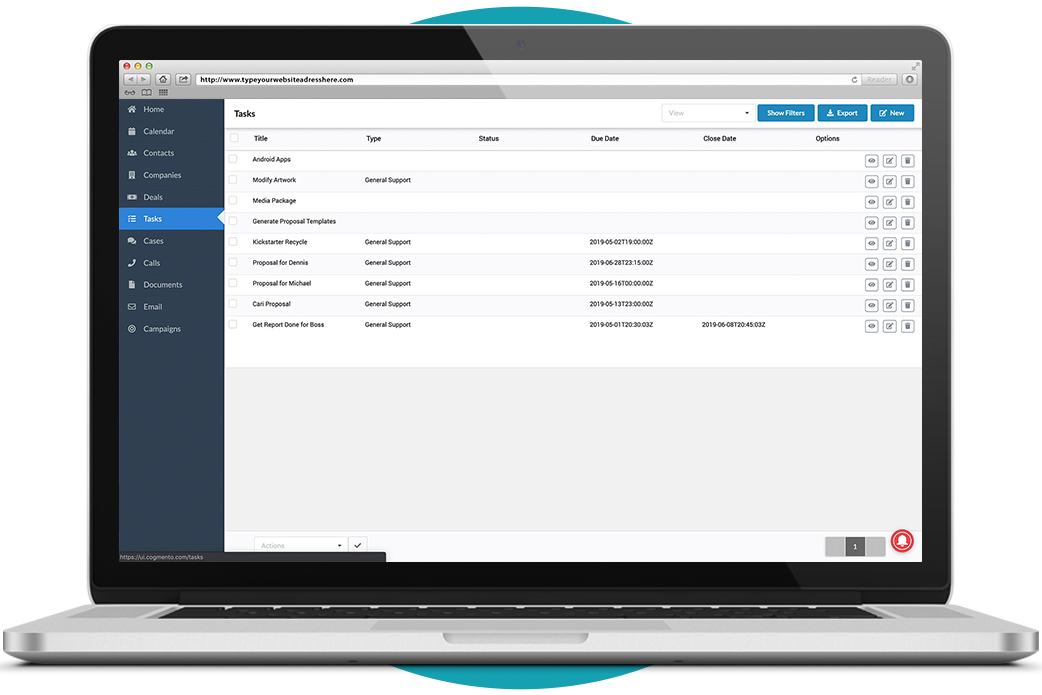
Using HIPAA-compliant CRM software is crucial for protecting sensitive patient information, avoiding legal penalties, and maintaining the trust of patients.
Can non-healthcare businesses use HIPAA-compliant CRM software?
Yes, while primarily designed for healthcare providers, non-healthcare businesses that handle sensitive information can also benefit from using HIPAA-compliant CRM software.
What features should I look for in a HIPAA-compliant CRM?
Look for features such as data encryption, access controls, audit trails, and secure communication tools to ensure compliance with HIPAA regulations.
How can I ensure my CRM is HIPAA compliant?
To ensure your CRM is HIPAA compliant, verify that the vendor offers a Business Associate Agreement (BAA) and conducts regular security audits to maintain compliance.