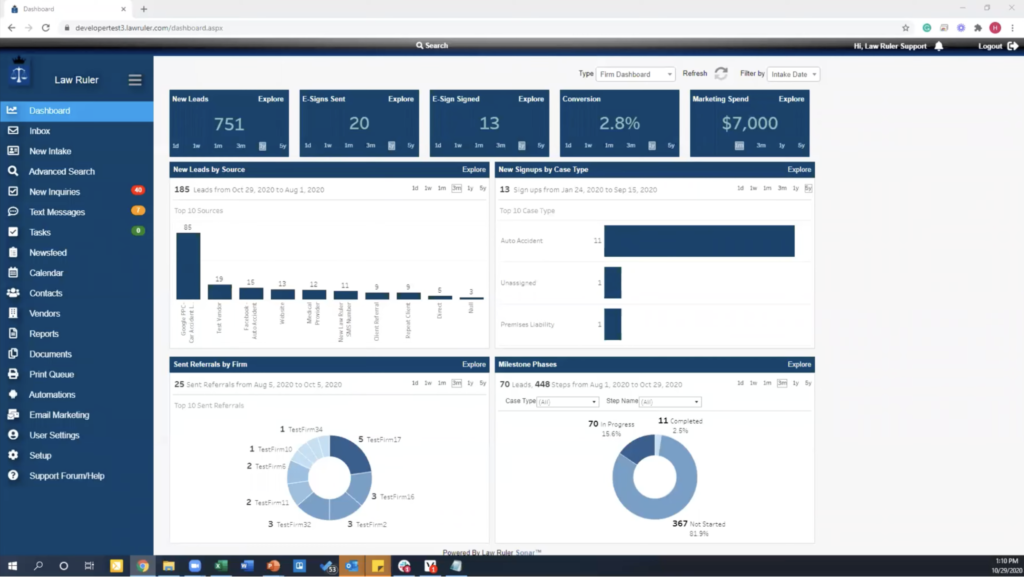
crm software for family law serves as a vital tool for legal professionals, streamlining their practice and enhancing client relationships. This software not only simplifies case management but also aids in tracking communications, managing documents, and automating routine tasks, ensuring that family law attorneys can focus more on their clients and less on administrative burdens.
As the complexities of family law continue to evolve, the integration of advanced crm systems is becoming increasingly essential. These systems offer a tailored approach, considering the unique needs of each client and case type, which ultimately leads to improved outcomes and higher client satisfaction.
In today’s fast-paced world, the significance of effective communication in the workplace cannot be underestimated. As organizations evolve and expand, the ability for employees to communicate clearly, both verbally and in writing, becomes crucial for success. In this article, we’ll explore why effective communication is essential, the various forms it takes, and how to foster a culture of open dialogue within an organization.
Understanding Effective Communication
Effective communication goes beyond just speaking or writing; it involves ensuring that the message is received and understood as intended. This includes not just the words used, but also the tone of voice, body language, and other non-verbal cues. To illustrate, consider a simple email sent to a colleague. The effectiveness of that communication can be affected by factors such as the clarity of the message, the subject line, and even the time of day it is sent.
The Benefits of Effective Communication
There are numerous benefits associated with effective communication in the workplace. Here are a few key advantages:
- Improved Team Collaboration: When team members communicate effectively, they are more likely to work together harmoniously. This leads to enhanced collaboration, as everyone is on the same page regarding project goals and expectations.
- Increased Productivity: Clear communication helps to eliminate confusion and misunderstandings, resulting in less time spent on clarifying tasks and more time focused on productivity. Employees who know what is expected of them are more likely to meet deadlines and achieve their objectives.
- Enhanced Employee Morale: Open channels of communication foster a sense of trust and respect among employees. When individuals feel heard and valued, their morale increases, leading to higher job satisfaction and retention rates.
- Better Conflict Resolution: Miscommunication can often lead to conflicts within a team. However, when effective communication practices are in place, conflicts can be addressed promptly and resolved amicably, preventing escalation.
Types of Communication in the Workplace
Effective communication can take many forms, and understanding these types can help teams harness their potential:
1. Verbal Communication
This includes face-to-face conversations, phone calls, and video conferences. Verbal communication allows for immediate feedback and clarification, making it a powerful tool for collaboration.
2. Written Communication
Emails, reports, and memos fall under this category. Written communication is essential for documentation and should be clear and concise to avoid misinterpretations.
3. Non-Verbal Communication
Body language, facial expressions, and gestures all play a critical role in how messages are conveyed. Being aware of non-verbal cues can enhance understanding and foster better interpersonal relationships.
Strategies to Improve Communication Skills
To cultivate an environment where effective communication thrives, consider implementing the following strategies:
1. Promote Active Listening
Encouraging employees to practice active listening can significantly enhance communication. This involves fully concentrating on what is being said, rather than simply waiting for one’s turn to speak. Active listening fosters understanding and respect, leading to more productive discussions.
2. Encourage Open Feedback
Creating a culture where feedback is welcomed can help employees feel comfortable sharing their thoughts and ideas. Regular feedback sessions can open dialogues and provide an opportunity for growth and improvement.
3. Provide Communication Training
Offering training sessions on effective communication skills can equip employees with the tools they need to express themselves clearly and confidently. This can include workshops on public speaking, writing skills, and even non-verbal communication techniques.
4. Utilize Technology Wisely
In our digital age, communication tools such as instant messaging, project management software, and video conferencing platforms can enhance connectivity. However, it’s essential to use these tools judiciously to avoid overwhelming employees with constant notifications and distractions.
The Role of Leadership in Communication
Leaders play a pivotal role in fostering effective communication within their teams. They should model good communication practices and encourage an open-door policy where employees feel comfortable sharing their concerns and ideas. By promoting transparency and being receptive to feedback, leaders can help build a culture of trust and collaboration.

Overcoming Communication Barriers
Despite the best efforts, communication barriers can still arise. These can include differences in language, cultural misunderstandings, and even generational gaps. To overcome these challenges, organizations can:
- Provide language training or resources for non-native speakers.
- Encourage cultural awareness and sensitivity training to promote inclusivity.
- Facilitate intergenerational dialogue to bridge gaps between different age groups.
Conclusion
Effective communication in the workplace is not just a nice-to-have; it’s a necessity for any organization aiming for success. By understanding the various forms of communication, embracing strategies for improvement, and fostering a culture of openness, organizations can enhance teamwork, increase productivity, and ultimately achieve their goals. As we move forward in an increasingly interconnected world, prioritizing effective communication will be key to navigating the complexities of modern work environments.
Questions and Answers
What features should I look for in crm software for family law?
Look for features such as case management, contact management, document automation, billing and invoicing, and integration with other legal tools.
Is crm software difficult to implement in a law firm?
Implementation can vary, but most modern crm solutions offer user-friendly interfaces and support to help with the transition.
Can crm software improve client communication?

Yes, crm software often includes tools for tracking communications and setting reminders, which can enhance client interaction and follow-up.
Is crm software expensive for small law firms?
Many crm solutions offer scalable pricing plans, making them accessible for small firms, with options for different budgets.
How can crm software help with compliance in family law?
Crm software can assist in maintaining organized records and ensuring adherence to privacy regulations, crucial for handling sensitive family law cases.