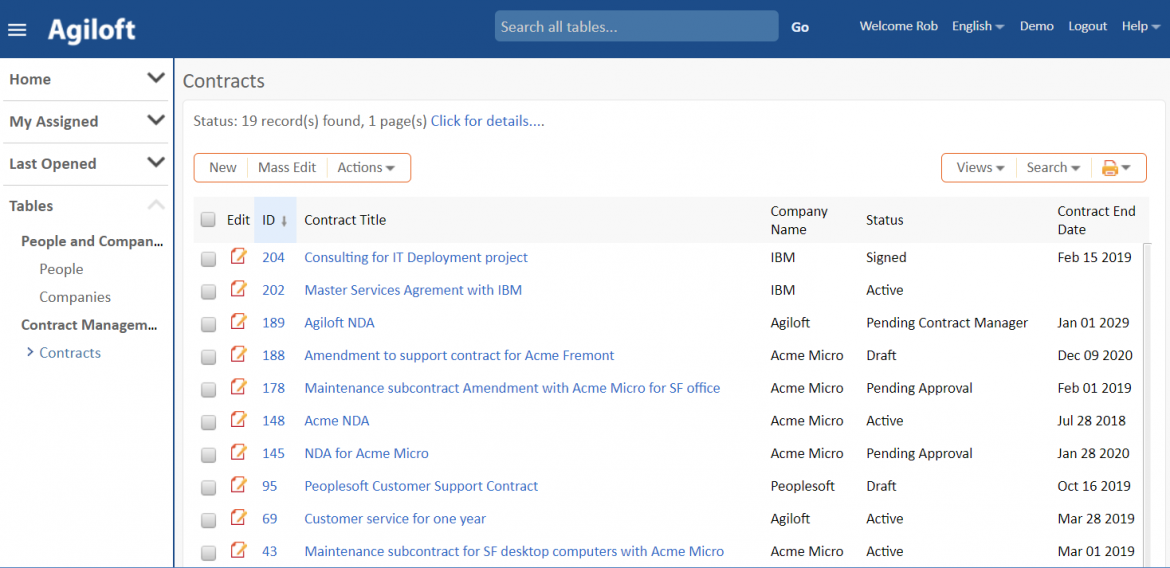
As contract management software takes center stage, this opening passage beckons readers into a world crafted with good knowledge, ensuring a reading experience that is both absorbing and distinctly original. In today’s fast-paced business environment, managing contracts efficiently is crucial for organizations of all sizes. This software not only simplifies the process of creating, storing, and tracking contracts but also enhances collaboration and compliance, making it an indispensable tool for modern businesses.
The journey through contract management software reveals its significant role in reducing risks, improving visibility, and enabling quick access to essential documents. With features that support automation, version control, and audit trails, companies can navigate the complexities of contract lifecycle management with ease, ensuring that they stay ahead in a competitive market.
In recent years, the concept of emotional intelligence (EI) has gained significant traction in discussions surrounding workplace dynamics. Unlike traditional intelligence, which primarily focuses on cognitive abilities such as problem-solving and analytical skills, emotional intelligence encompasses the ability to recognize, understand, and manage our own emotions and the emotions of others. This article delves into the nuances of emotional intelligence, its relevance in professional settings, and how it can lead to improved workplace relationships and overall success.
What is Emotional Intelligence?
Emotional intelligence is often broken down into five core components as defined by psychologist Daniel Goleman, who is widely regarded as a pioneer in the field. These components include:
- Self-awareness: The ability to recognize and understand your own emotions, strengths, weaknesses, values, and drivers.
- Self-regulation: The ability to control or redirect disruptive emotions and impulses and adapt to changing circumstances.
- Motivation: A passion for pursuing goals with energy and persistence, coupled with a strong desire to achieve for the sake of achievement.
- Empathy: The ability to understand the emotional makeup of other people and treat them according to their emotional reactions.
- Social skills: Proficiency in managing relationships and building networks, which involves the ability to find common ground and build rapport.
The Relevance of Emotional Intelligence in the Workplace
In a fast-paced work environment, where collaboration and communication are key, emotional intelligence plays a vital role. Here are several reasons why EI is essential in the workplace:
1. Enhanced Communication
Individuals with high emotional intelligence are typically better communicators. They can express their thoughts clearly while also being attuned to the emotions of their audience. This ability fosters open dialogue and reduces the likelihood of misunderstandings. When team members can communicate effectively, it leads to a more harmonious working environment and can enhance productivity.
2. Improved Conflict Resolution
Conflicts are inevitable in any workplace. However, those with strong emotional intelligence are often better equipped to handle disagreements. Their ability to empathize with others allows them to see different perspectives, which can be crucial in resolving conflicts amicably. Rather than escalating issues, emotionally intelligent individuals can navigate challenging conversations and help facilitate constructive outcomes.

3. Increased Motivation and Engagement
Employees who exhibit high levels of emotional intelligence often demonstrate greater motivation and commitment to their work. They are not only motivated by external rewards but are also driven by an intrinsic desire to contribute positively to the organization. This engagement can lead to increased job satisfaction and lower turnover rates, as employees feel valued and understand their role in the bigger picture.

4. Stronger Leadership Qualities
Effective leaders typically possess high emotional intelligence. They can inspire and motivate their teams, create a positive workplace culture, and navigate the complexities of organizational dynamics. Leaders with EI can recognize when their team members are struggling, provide support, and foster an environment where everyone feels comfortable sharing their thoughts and ideas. This, in turn, cultivates trust and respect, which are essential for any successful team.
5. Better Collaboration
In today’s collaborative work environments, emotional intelligence can significantly enhance teamwork. When team members are emotionally aware, they are more likely to collaborate effectively, share information, and support each other. This collaborative spirit can lead to innovative solutions and increased efficiency, as individuals come together to leverage each other’s strengths.
Developing Emotional Intelligence
The good news is that emotional intelligence is not a fixed trait; it can be developed and improved over time. Here are some strategies individuals can employ to enhance their emotional intelligence:
1. Practice Self-Reflection
Taking time to reflect on one’s own emotions and behaviors can lead to greater self-awareness. Journaling or meditative practices can help individuals identify their emotional triggers and understand how they react in different situations.
2. Seek Feedback
Constructive feedback from colleagues or mentors can provide valuable insights into one’s emotional responses and interactions. Embracing feedback, whether positive or negative, can aid in personal growth and development.
3. Cultivate Empathy
To improve empathy, individuals can practice active listening. This means fully concentrating on what is being said rather than simply waiting for one’s turn to speak. By genuinely engaging with others, individuals can better understand their feelings and perspectives.
4. Manage Stress
Learning techniques to manage stress effectively can enhance self-regulation. Practices such as mindfulness, deep breathing exercises, or physical activity can help individuals stay calm and composed, even in high-pressure situations.
Conclusion
Emotional intelligence is a crucial attribute that can significantly impact an individual’s professional journey. As the workplace continues to evolve, the importance of understanding and managing emotions—both one’s own and those of others—will only grow. By fostering emotional intelligence, organizations can create a more engaged, collaborative, and productive workforce. Investing in the development of EI not only benefits individual employees but can also lead to a thriving organizational culture that values emotional awareness and interpersonal relationships.