Beginning with contact center software, the narrative unfolds in a compelling and distinctive manner, drawing readers into a story that promises to be both engaging and uniquely memorable.
In today’s rapidly evolving business environment, contact center software serves as a pivotal tool for enhancing customer interactions and streamlining communication processes. This software encompasses various functionalities that enable businesses to manage customer inquiries efficiently, ensuring timely responses and improved satisfaction. From routing calls to providing analytics, the importance of a robust contact center solution cannot be overstated in fostering effective customer relationships.
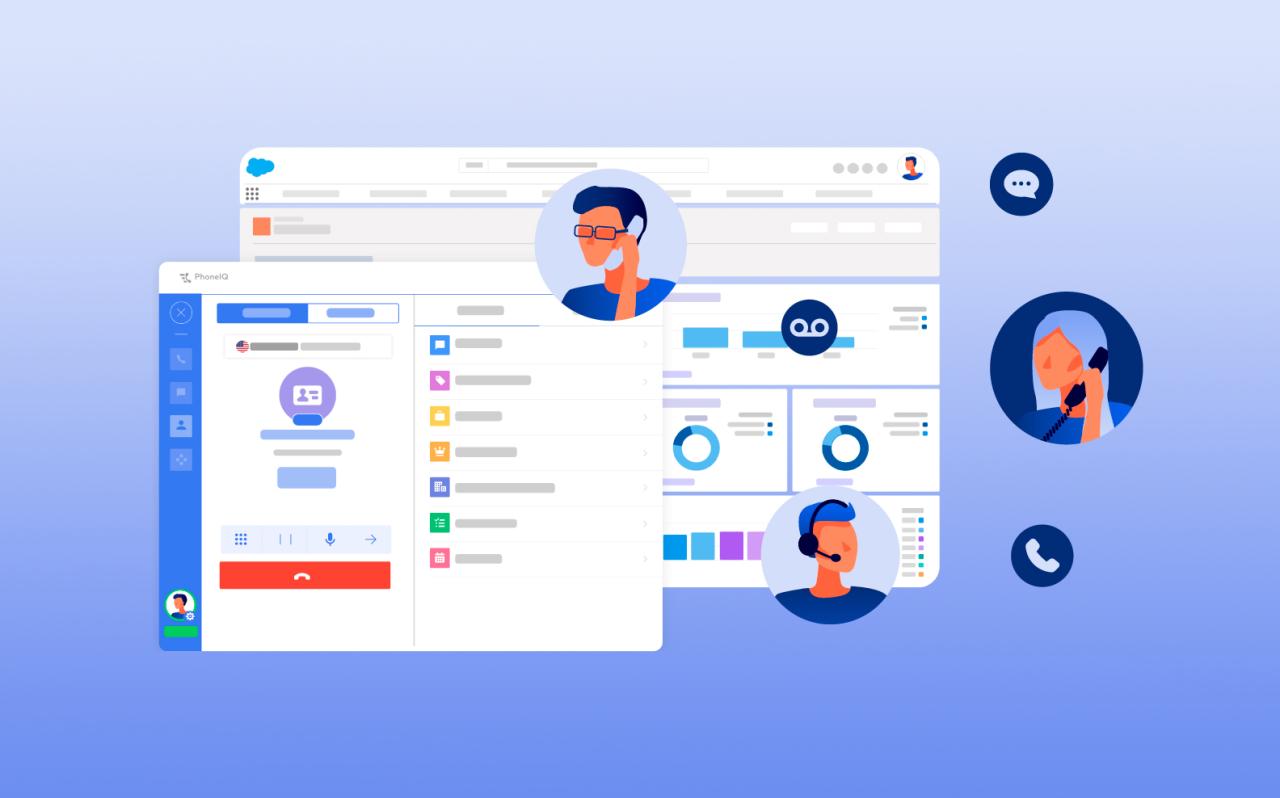
In today’s fast-paced world, understanding the art of effective communication has never been more crucial. Whether in personal relationships, professional settings, or social interactions, the ability to articulate thoughts clearly and concisely can make a significant difference. This article delves into the nuances of communication, exploring its importance, types, and techniques to enhance your skills.
The Importance of Communication
Communication is the lifeblood of human interaction. It encompasses not only spoken and written words but also non-verbal cues such as gestures, body language, and facial expressions. Effective communication fosters understanding, builds relationships, and facilitates collaboration among individuals. In professional environments, clear communication reduces the risk of misunderstandings, enhances teamwork, and promotes productivity. In personal relationships, it nurtures bonds and ensures that emotional needs are met.
Types of Communication
1. Verbal Communication: This is the most direct form of communication, involving the use of spoken or written words. Whether in a one-on-one conversation or a large presentation, verbal communication allows for the expression of thoughts and ideas. It’s essential to pay attention to tone, pitch, and volume, as these elements can significantly alter the message conveyed.
2. Non-verbal Communication: A significant portion of our communication is non-verbal. Body language, facial expressions, and even silence play vital roles in how messages are interpreted. For instance, crossed arms may signal defensiveness, while maintaining eye contact can indicate confidence and openness.
3. Listening: Often overlooked, listening is an integral component of effective communication. Active listening involves not just hearing the words but understanding the underlying message. This requires focus and engagement, allowing for a responsive dialogue.
4. Visual Communication: In our visually-driven world, images, graphs, and videos are powerful tools for conveying information. Visual aids can enhance understanding and retention, making complex ideas more accessible.
Techniques to Enhance Communication Skills
1. Practice Active Listening: Engage fully with the speaker, showing interest through nodding and appropriate responses. This not only reflects respect but also encourages open dialogue.
2. Be Clear and Concise: Whether speaking or writing, aim to convey your message in a straightforward manner. Avoid jargon unless necessary and tailor your language to your audience.
3. Use Non-verbal Cues Effectively: Be conscious of your body language and facial expressions. They should complement your verbal message, reinforcing your point rather than contradicting it.
4. Seek Feedback: Encourage others to provide feedback on your communication style. This can help identify areas for improvement and foster a culture of openness.
5. Adapt to Your Audience: Different audiences may require different approaches. Consider the demographics, cultural backgrounds, and preferences of your audience to tailor your message accordingly.
6. Practice Empathy: Understanding the perspective of others can significantly improve communication. When you empathize, you can address concerns more effectively and build rapport.
7. Stay Calm and Composed: In tense discussions, maintaining a calm demeanor can help de-escalate potential conflicts. Practice techniques such as deep breathing to keep your emotions in check.
8. Utilize Technology: In our digital age, leveraging tools like video conferencing, messaging apps, and collaborative platforms can enhance communication, especially in remote settings.
Overcoming Barriers to Communication
While effective communication is vital, various barriers can impede it. These include:
1. Physical Barriers: Distance or environmental noise can disrupt communication. Seeking a quiet environment or utilizing technology like headsets can mitigate these issues.
2. Psychological Barriers: Emotions such as anxiety, fear, or preconceived notions can hinder open communication. Cultivating a positive mindset and being aware of biases can help overcome these barriers.
3. Language Barriers: Differences in language or jargon can lead to misunderstandings. When communicating with individuals from diverse backgrounds, strive for simplicity and clarity.
4. Cultural Barriers: Cultural differences can impact communication styles. Being culturally sensitive and adaptable can foster more effective interactions.
The Role of Technology in Communication
In recent years, technology has revolutionized communication. With the rise of social media, instant messaging, and video conferencing, connecting with others has become easier than ever. However, reliance on technology also comes with challenges. Misinterpretations can arise from text-based communication due to the absence of tone and non-verbal cues.
To navigate this landscape, it’s crucial to choose the right medium for your message. For instance, sensitive conversations may be best conducted in person or via video call, while straightforward updates can be shared through email or messaging platforms.
Conclusion
Mastering the art of communication is a continuous journey that requires practice and self-awareness. By understanding the different types of communication, employing effective techniques, and being mindful of potential barriers, you can enhance your ability to connect with others. Whether in personal relationships or professional settings, strong communication skills can lead to more meaningful interactions, improved collaboration, and a greater sense of community. As we navigate this fast-paced world, let us prioritize communication as a vital skill that shapes our experiences and relationships.