Beginning with comed debit card payment, the narrative unfolds in a compelling and distinctive manner, drawing readers into a story that promises to be both engaging and uniquely memorable. This payment method simplifies transactions for customers, enabling them to manage their utility payments seamlessly. With the rise of digital finance, understanding how to efficiently use a comed debit card has become increasingly essential for consumers looking to save time and streamline their monthly budgeting.
In recent years, the conversation surrounding mental health has increasingly gained traction. As society begins to recognize the significant impact mental well-being has on individuals and communities, it’s crucial to delve deeper into the importance of mental health awareness. This article will explore various aspects of mental health, its stigma, the importance of awareness, and ways to promote a healthier dialogue around mental well-being.
Understanding Mental Health
Mental health encompasses our emotional, psychological, and social well-being. It affects how we think, feel, and act, and it influences how we handle stress, relate to others, and make choices. Mental health is crucial at every stage of life, from childhood and adolescence through adulthood. Just like physical health, mental health is vital for overall well-being and functioning.
According to the World Health Organization (WHO), mental health is defined as a state of well-being in which every individual realizes their own potential, can cope with the normal stresses of life, can work productively and fruitfully, and is able to make a contribution to their community. This definition highlights the importance of mental health not just as the absence of mental illness, but as a state of overall wellness.
The Stigma Surrounding Mental Health
Despite the growing awareness of mental health issues, stigma remains a significant barrier to seeking help. Many individuals experience judgment or discrimination due to their mental health struggles, which can discourage them from reaching out for support. This stigma often stems from a lack of understanding and awareness, leading to misconceptions about mental illness.
Common stereotypes include the belief that individuals with mental health issues are violent or unstable. Such misconceptions can perpetuate fear and misunderstanding, creating an environment where individuals feel ashamed or embarrassed to discuss their experiences. It is essential to confront these harmful stereotypes and educate ourselves and others about the realities of mental health. By fostering a more inclusive and understanding atmosphere, we can help reduce stigma and encourage open conversations.
The Importance of Mental Health Awareness
Mental health awareness is crucial for several reasons:
- Promotes Education: Awareness initiatives help educate the public about mental health conditions, symptoms, and available treatments. This knowledge empowers individuals to recognize signs of mental health issues in themselves and others, promoting early intervention.
- Encourages Help-Seeking Behavior: When people are aware of mental health issues and understand that seeking help is a sign of strength, they are more likely to reach out for support. This can lead to timely treatment and improved outcomes.
- Reduces Stigma: Raising awareness can challenge and change societal attitudes towards mental health. By normalizing conversations about mental health and sharing personal experiences, we can help dismantle the stigma that prevents individuals from seeking help.
- Supports Community Building: Mental health awareness can foster supportive communities where individuals feel safe to express their struggles. This sense of belonging can be crucial for mental well-being, as it reduces feelings of isolation and loneliness.
Ways to Promote Mental Health Awareness
There are numerous ways individuals and organizations can promote mental health awareness within their communities:
1. Educate Yourself and Others
Knowledge is power. Take time to educate yourself about mental health issues. Share this information with friends, family, and your community. Utilize resources such as books, articles, and credible websites to gain a deeper understanding of mental health topics.
2. Share Personal Stories
Sharing personal experiences related to mental health can have a profound impact. When individuals open up about their struggles or journeys, it fosters connection and understanding. Encourage others to share their stories as well, creating a supportive environment where people feel comfortable discussing their mental health.
3. Advocate for Mental Health Programs
Become an advocate for mental health in your community. Support local organizations that focus on mental health awareness and provide resources for individuals in need. This could include volunteering, fundraising, or participating in awareness campaigns.
4. Organize or Participate in Events
Participate in or organize events that promote mental health awareness, such as workshops, seminars, or community discussions. These events can serve as platforms for sharing information, connecting with others, and fostering supportive relationships.
5. Utilize Social Media
Social media is a powerful tool for spreading awareness. Use your platforms to share informative content, personal stories, and resources related to mental health. Engaging with others online can help reach a broader audience and spark meaningful conversations.
Conclusion
Mental health awareness is more important now than ever. By recognizing the significance of mental well-being and actively working to reduce stigma, we can create a culture that values mental health. Through education, empathy, and open dialogue, we can support those in need and foster a healthier society for everyone. Remember, it’s okay not to be okay, and reaching out for help is a sign of strength, not weakness.
Ultimately, the journey towards improved mental health awareness is a collective effort. Together, we can ensure that mental health is prioritized and that individuals feel empowered to seek the support they need.
User Queries
What is a comed debit card payment?
A comed debit card payment allows customers to pay their utility bills directly using a debit card linked to their bank account.
How do I set up comed debit card payments?
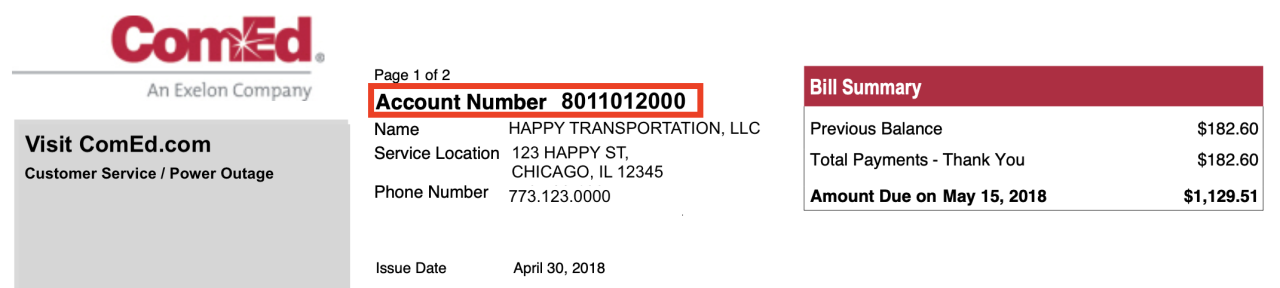
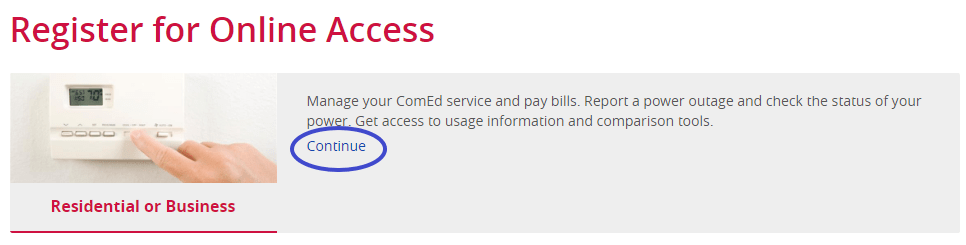
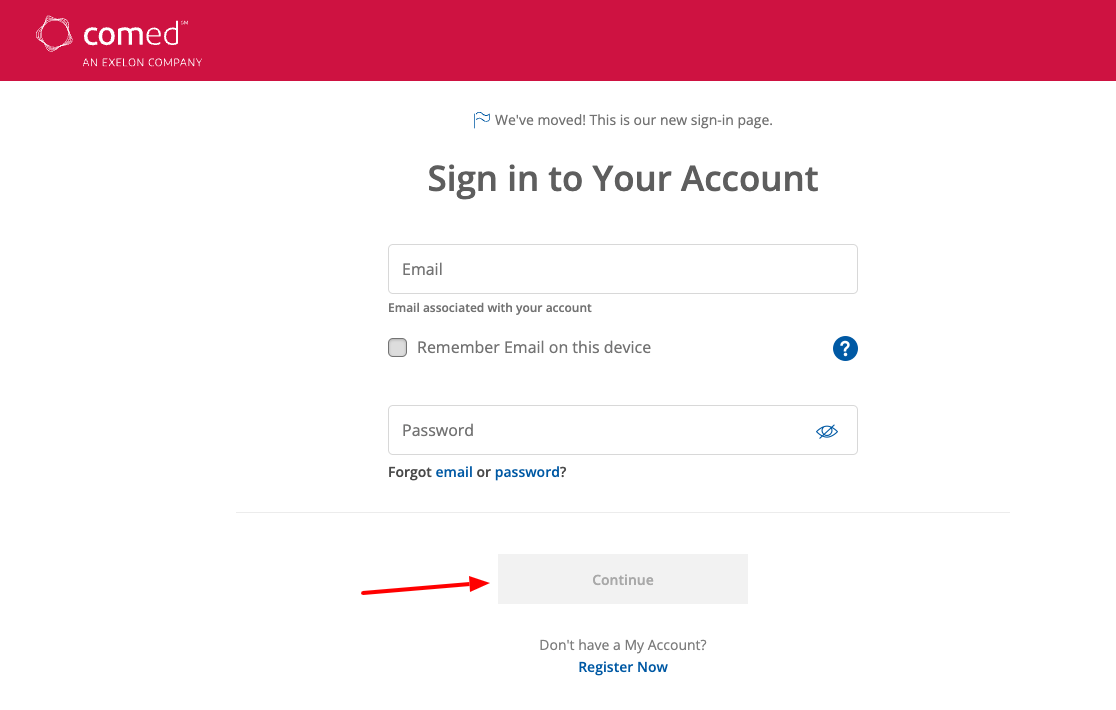
To set up comed debit card payments, visit the ComEd website or mobile app, and enter your debit card information in the payment section.
Are there any fees associated with comed debit card payments?
Typically, there are no fees for using a comed debit card payment; however, it’s best to check with ComEd for any potential charges.
Can I use a comed debit card for other payments?
Yes, the comed debit card can be used for various transactions, depending on the card issuer’s policies and accepted vendors.
Is using a comed debit card secure?
Yes, using a comed debit card is secure as long as you follow standard safety practices, such as monitoring your account and keeping your PIN confidential.