The citi simplicity card application is your gateway to a streamlined financial experience, offering essential benefits designed to simplify your everyday spending. In today’s fast-paced world, having a credit card that aligns with your lifestyle can make all the difference, and the Citi Simplicity Card stands out with its unique offerings. This introduction invites you to explore how this card not only provides convenience but also peace of mind.
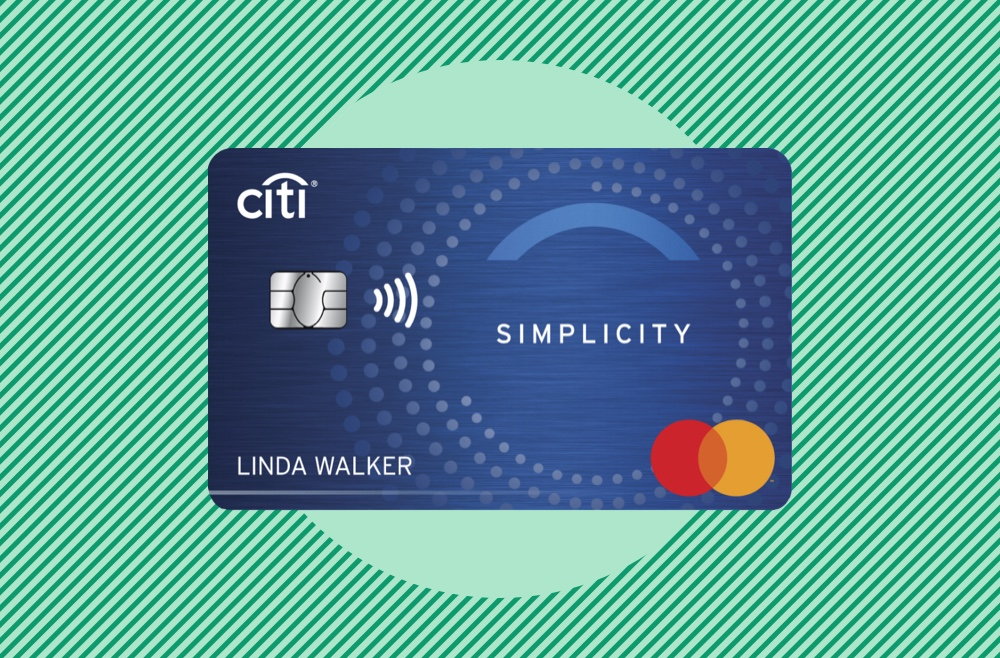
From no annual fees to a straightforward application process, the Citi Simplicity Card caters to your needs while ensuring you stay informed about every aspect of your financial journey. Understanding its features can help you make an informed decision and harness its benefits effectively, paving the way for a hassle-free financial future.
In the age of technology, the way we communicate and interact has drastically changed. From instant messaging to social media platforms, our ability to connect with others is more accessible than ever before. However, this constant connectivity has also brought about a range of challenges and considerations that we need to navigate in our daily lives.
For instance, while we can chat with friends and family in real-time across the globe, the nuances of face-to-face communication are often lost in translation. Non-verbal cues, such as body language and eye contact, play a crucial role in how we communicate. The absence of these cues in digital conversations can lead to misunderstandings and misinterpretations. Therefore, it’s essential to be more mindful about how we express ourselves online.
Moreover, the digital world has given rise to a new etiquette that governs our interactions. Knowledge of when to send a follow-up message, how to respond to an email promptly, or the appropriate way to comment on a post can greatly influence our personal and professional relationships. There’s a delicate balance between maintaining professionalism and being approachable, which can sometimes be difficult to strike.
One of the most significant shifts in our communication landscape is the prominence of social media. Platforms like Facebook, Twitter, Instagram, and LinkedIn have transformed how we share information and engage with others. These platforms provide an avenue for self-expression, allowing us to showcase our lives, interests, and opinions with a broader audience. However, they also raise concerns about privacy and the permanence of our digital footprints.
It’s vital to remember that once something is posted online, it can be difficult to erase. This realization calls for a more deliberate approach to sharing personal information and opinions. Being aware of our online presence and the potential implications of our posts can help us navigate the digital space more responsibly.
Furthermore, the rise of influencer culture has changed the way brands interact with consumers. Traditional advertising methods are being replaced by influencer partnerships, where individuals with large followings promote products and services. This shift has created new opportunities for businesses but also raises questions about authenticity and trust. Consumers are becoming more discerning, seeking genuine connections with brands and influencers rather than mere transactions.
As we adapt to these changes, it’s essential to cultivate strong communication skills. Active listening, empathy, and clear articulation of thoughts are crucial components of effective communication, whether in person or online. Additionally, understanding cultural differences in communication styles can enhance our interactions with diverse audiences.
In professional settings, mastering these skills can lead to better collaboration and teamwork. In an increasingly globalized world, being able to connect with colleagues from different backgrounds is invaluable. It fosters an inclusive environment where diverse perspectives can be shared, leading to innovative solutions and enhanced productivity.
One of the challenges we face today is information overload. With the constant influx of news, updates, and notifications, it can be overwhelming to keep up. Learning to manage this information and filter what is relevant and valuable to us is a skill that will serve us well. Setting boundaries for our digital consumption, such as designated times to check emails or social media, can help reduce stress and increase focus on critical tasks.
Mental health is another important aspect of our communication landscape. The pressure to maintain a certain image online, combined with the fast-paced nature of digital interactions, can contribute to anxiety and stress. Taking breaks from social media, engaging in face-to-face interactions, and practicing mindfulness can help mitigate these effects and foster a healthier relationship with technology.
As we move forward, the importance of adaptability cannot be overstated. The digital communication landscape is ever-evolving, with new tools and platforms emerging regularly. Staying informed about these changes and being willing to embrace new technologies will enable us to communicate more effectively and remain relevant in our personal and professional lives.
In conclusion, while technology has revolutionized communication, it comes with its own set of challenges that we must navigate thoughtfully. By being mindful of our interactions, cultivating strong communication skills, and prioritizing our mental well-being, we can create a more positive and fulfilling communication experience. As we continue to evolve in this digital age, let us embrace the opportunities it presents while remaining grounded in the timeless principles of clear, respectful, and empathetic communication.