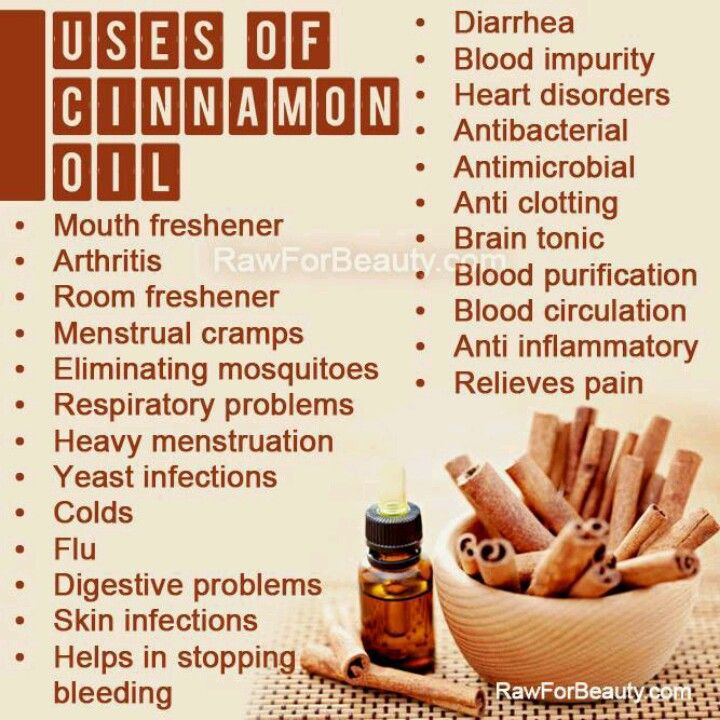
Kicking off with cinnamon energy, this exciting topic explores the vibrant benefits of this spice that has captured our hearts and taste buds for centuries. Known for its rich flavor and aromatic properties, cinnamon goes beyond just being a kitchen staple; it also plays a significant role in boosting energy levels and improving overall wellness.
From ancient medicinal practices to modern-day uses, the journey of cinnamon reveals its powerful ability to invigorate both body and mind. This spice is packed with essential nutrients and antioxidants that contribute to increased energy, making it a favorite among health enthusiasts. Let’s delve into how cinnamon energy can enhance your daily life and why it deserves a spot in your wellness routine.
In today’s fast-paced world, the importance of effective communication cannot be overstated. Whether in personal relationships or professional settings, the way we convey our ideas, feelings, and intentions plays a crucial role in our interactions. This article will delve into the significance of communication, explore its various forms, and offer tips on how to enhance our communication skills.To begin with, let’s consider what communication really is.
At its core, communication is the process of exchanging information, thoughts, and feelings between individuals. It can take many forms, including verbal, non-verbal, written, and visual communication. Each of these forms carries its unique strengths and challenges, which can significantly influence how our messages are perceived and understood.Verbal communication is perhaps the most common form, encompassing spoken words and oral presentations.

It allows for immediate feedback and clarification, making it highly effective in face-to-face interactions. However, the effectiveness of verbal communication can be diminished by factors such as tone of voice, clarity of speech, and even the listener’s mood. To improve verbal communication, individuals should practice active listening, maintain a positive tone, and strive for clarity in their speech.Non-verbal communication, on the other hand, includes body language, facial expressions, eye contact, and gestures.
It often conveys more meaning than words alone. For instance, a warm smile can express friendliness and openness, while crossed arms may signal defensiveness or resistance. Being aware of our non-verbal cues and those of others can significantly enhance our ability to communicate effectively. To improve non-verbal communication, individuals should practice being aware of their body language, maintain appropriate eye contact, and be mindful of cultural differences that may affect interpretation.Written communication is essential in our increasingly digital world.
Emails, text messages, reports, and social media interactions rely heavily on our ability to articulate thoughts clearly in written form. The challenge here lies in ensuring that our written messages are concise, coherent, and free from ambiguity. To enhance written communication skills, individuals should focus on organizing their thoughts before writing, using clear and straightforward language, and proofreading their work to eliminate errors that could detract from the message.Visual communication, which includes images, graphs, and charts, is another powerful way to convey ideas.
In a world saturated with information, visuals can help grab attention and simplify complex concepts. For example, a well-designed infographic can communicate a wealth of data in an easily digestible format. To improve visual communication, consider the audience’s preferences and ensure that visuals complement the accompanying text rather than overwhelm it.Now that we’ve explored the various forms of communication, it’s essential to recognize the barriers that can hinder effective dialogue.
Common obstacles include language differences, cultural misunderstandings, and emotional biases. For instance, if two individuals speak different languages, the chances of miscommunication increase significantly. To bridge these gaps, individuals can seek clarification, use simple language, and exhibit patience during conversations.Moreover, emotional intelligence plays a vital role in effective communication. Being aware of our own emotions and those of others allows us to navigate conversations with empathy and understanding.
High emotional intelligence enables individuals to respond appropriately to different situations, fostering better relationships and reducing conflicts. To cultivate emotional intelligence, one can practice self-reflection, seek feedback from others, and engage in discussions that challenge their perspectives.In a professional environment, effective communication is imperative for teamwork and collaboration. When team members communicate openly and honestly, it promotes a culture of trust and respect.
Regular team meetings, clear expectations, and constructive feedback are all components of a communication-friendly workplace. To establish a communicative culture, leaders should model transparency, encourage input from team members, and celebrate achievements collectively.Furthermore, technology has revolutionized the way we communicate. With the advent of instant messaging, video conferencing, and social media, we can connect with others across the globe in real-time.
While these advancements offer countless benefits, they also come with challenges, such as misinterpretation of tone and the potential for information overload. To navigate this digital landscape, individuals should choose the appropriate medium for their message, be mindful of their online presence, and practice digital etiquette.As we consider the significance of communication, it’s essential to remember that it is a skill that can be developed over time.
Regular practice, seeking constructive criticism, and being open to learning from both successes and failures can significantly enhance our communication abilities. Additionally, participating in workshops, reading books on effective communication, and even engaging in public speaking can provide valuable insights and experience.In conclusion, effective communication is a cornerstone of successful interactions, whether personal or professional. By understanding the various forms of communication, recognizing barriers, and actively working to enhance our skills, we can foster stronger relationships and navigate the complexities of human interaction with greater ease.
Remember, communication is not just about speaking or writing—it’s about connecting, understanding, and building a bridge between ourselves and others. So, let’s embrace the art of communication and strive to be better communicators every day.
User Queries
What are the health benefits of cinnamon energy?
Cinnamon offers a variety of health benefits including improved metabolism, enhanced cognitive function, and better blood sugar control, all contributing to increased energy levels.
Can cinnamon help with weight loss?
Yes, cinnamon may aid in weight loss by boosting metabolism and stabilizing blood sugar levels, which can help reduce cravings.
How can I incorporate cinnamon into my diet?
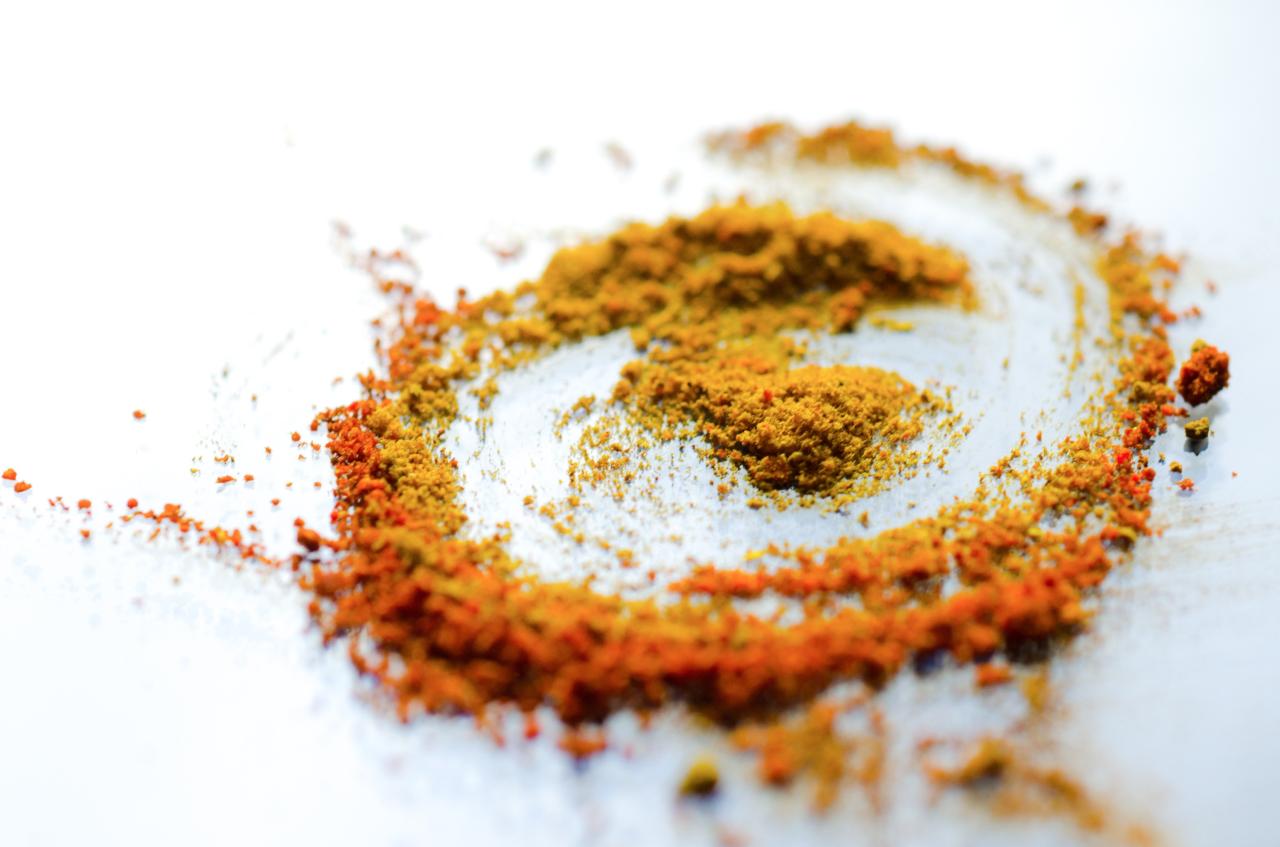
You can add cinnamon to smoothies, oatmeal, baked goods, or even sprinkle it on coffee for a delicious energy boost.
Is there a recommended dosage for cinnamon?
A typical recommendation is about 1 to 2 teaspoons of cinnamon per day, but it’s always best to consult with a healthcare professional for personalized advice.
Are there any side effects of consuming too much cinnamon?
Excessive consumption of cinnamon can lead to liver damage and other health issues due to the presence of coumarin. Moderation is key.