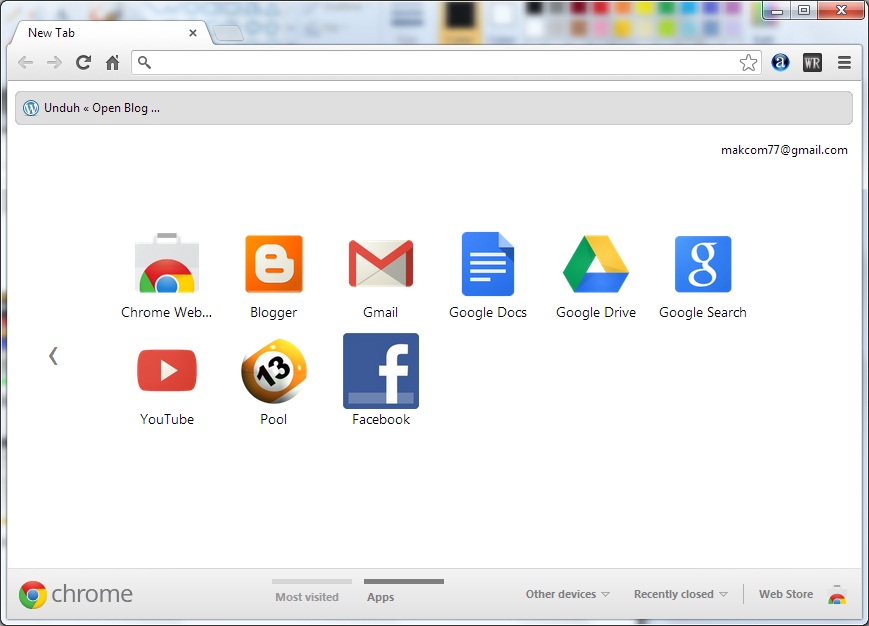
With chrome download for computer at the forefront, this journey reveals a world of seamless browsing experiences and enhanced productivity. From its user-friendly interface to a wide range of features, Chrome is not just a browser; it’s a gateway to the internet that keeps evolving to meet your needs.
As technology advances, the necessity for a fast and reliable web browser becomes increasingly important. This article delves into the process of downloading Chrome on your computer, highlighting its benefits and providing helpful tips to ensure a smooth installation.
Technology has become a cornerstone of modern life, influencing almost every aspect of our daily routine. From the way we communicate to how we work and learn, advancements in technology have reshaped our environment and interaction with the world around us. In this article, we will explore the evolution of technology, highlighting key developments, and examining their impact on society.
The Dawn of the Technological Age
The story of technology is as old as humanity itself. It began with simple tools used by early humans. The invention of the wheel, for example, revolutionized transport and trade. Fast forward to the Industrial Revolution, which brought about significant advancements in machinery and manufacturing processes. This period marked a shift from agrarian societies to urbanized ones, laying the groundwork for contemporary life.
Communication Revolution
One of the most significant technological advancements has been in communication. The invention of the telegraph in the 1830s significantly reduced the time it took to send messages across distances. Soon after, the telephone emerged, further bridging the gap between individuals. The advent of the internet in the late 20th century was perhaps the most transformative event. It has not only facilitated instant communication but also opened doors to a wealth of information and new forms of social interaction.
The Digital Era
As we transitioned into the 21st century, the digital revolution brought about unprecedented changes. Computers became commonplace in both homes and workplaces, and with this came the rise of the internet. Digital communication tools like emails and instant messaging apps have replaced traditional mail and phone calls, making communication faster and more efficient.
Social Media and Its Influence
Social media platforms emerged as powerful tools for connection. They have transformed how we share ideas, news, and personal experiences. Platforms such as Facebook, Twitter, and Instagram have not only changed personal interactions but have also influenced political movements, marketing strategies, and even societal norms. The ability for anyone to publish and disseminate information has redefined the concept of media, making way for citizen journalism and democratizing information sharing.

Technology in Education
Education has also seen a significant transformation due to technological advancements. Traditional classroom settings have evolved with the incorporation of digital tools. Online learning platforms like Coursera and Khan Academy provide access to education for people across the globe, breaking down geographical barriers.
The Rise of E-Learning
E-learning has gained traction, especially in recent years, as institutions adapted to remote teaching due to global events like the COVID-19 pandemic. This shift highlighted the importance of technology in education, showcasing how it can create flexible and accessible learning opportunities. However, it also raised concerns about digital divides and the need for equitable access to technology.
Workplace Transformation
As technology continues to evolve, so does the workplace. Remote work has become more prevalent and accepted, largely due to advancements in communication and collaboration tools. Platforms like Zoom, Slack, and Microsoft Teams have made it easier for teams to collaborate from different locations. This shift has prompted organizations to rethink their operational structures and employee engagement strategies.
Automation and AI
Another significant development is the rise of automation and artificial intelligence (AI). Industries are increasingly adopting AI technologies to streamline processes, improve efficiency, and reduce human error. While this transition offers numerous benefits, it also raises questions about job displacement and the future of work. As machines take over repetitive tasks, there is a pressing need for a workforce equipped with new skills to thrive in this changing landscape.
Ethical Considerations
With great technological advancements come significant ethical considerations. Issues related to privacy, data security, and the implications of AI are at the forefront of discussions in society. As technology permeates personal and professional lives, striking a balance between innovation and ethical standards becomes paramount.
Data Privacy
Data privacy has emerged as one of the most pressing concerns in the digital age. Companies collect vast amounts of personal information to provide tailored services, leading to debates over consent and ownership. The implementation of regulations, such as the General Data Protection Regulation (GDPR) in the European Union, aims to address these issues, but the rapid pace of technological change continues to challenge regulatory frameworks.
The Future of Technology
Looking ahead, the future of technology seems both promising and uncertain. Emerging technologies like blockchain, augmented reality (AR), and virtual reality (VR) hold immense potential to further transform various sectors, from finance to healthcare. However, society must navigate the accompanying challenges, ensuring that technology serves as a tool for good rather than a source of division.
Continuing the Dialogue
As we embrace the benefits of technology, it is essential to foster an ongoing dialogue about its implications. Engaging stakeholders from various sectors—governments, businesses, educators, and communities—can help shape a future where technology enhances human potential and promotes equality.
Conclusion
In summary, the evolution of technology has undoubtedly shaped our society in profound ways. From communication to education and the workplace, technological advancements have redefined our experiences and interactions. While there are challenges to address, the potential for positive impact is immense. As we continue to navigate this ever-changing landscape, a thoughtful and inclusive approach will be crucial in harnessing the power of technology for the greater good.
FAQ Guide
How do I download Chrome on my computer?
Simply visit the official Google Chrome website, click on the download button, and follow the installation instructions.
Is Chrome free to download?
Yes, Google Chrome is completely free to download and use.

Can I download Chrome on Windows and Mac?
Absolutely, Chrome is available for both Windows and Mac operating systems.
What are the system requirements for Chrome?
Chrome requires a computer with a minimum of 1 GB of RAM and a compatible operating system, such as Windows 7 or later, or macOS 10.10 or later.
How often does Chrome update?
Chrome updates automatically, but users can manually check for updates in the settings menu.