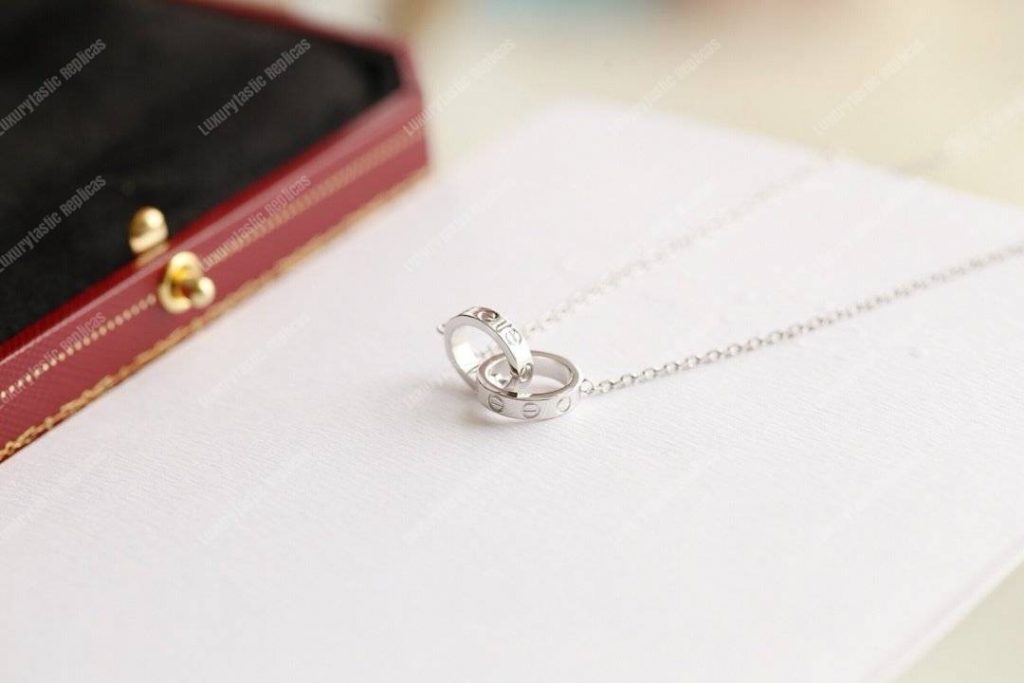
The Cartier Diamond Love Necklace is a stunning piece that embodies elegance and sophistication, making it a coveted item for jewelry lovers around the globe. This exquisite necklace features a unique design that symbolizes love and commitment, perfect for marking special occasions or simply adding a touch of luxury to everyday attire.
With its iconic design and high-quality craftsmanship, the Cartier Diamond Love Necklace not only serves as a beautiful accessory but also as a representation of emotional connections and cherished moments. Whether you’re considering it as a gift or a personal indulgence, this necklace is sure to captivate anyone who lays eyes on it.
In today’s fast-paced world, the importance of effective communication cannot be overstated. Whether in a professional setting or casual interactions, the way we convey our thoughts and ideas plays a pivotal role in our personal and professional relationships. This article delves into the nuances of communication, exploring its various types, barriers to effective communication, and strategies to enhance our communicative skills.At its core, communication is the process of exchanging information, ideas, thoughts, or feelings.
It can be classified into several types, including verbal, non-verbal, written, and visual communication. Each type has its own set of characteristics and applications, making understanding them crucial for anyone looking to improve their communication skills.Verbal communication refers to the use of spoken or written words to convey a message. This can occur in face-to-face conversations, phone calls, or even in written formats such as emails and texts.
The tone of voice, clarity of speech, and choice of words all play a significant role in how the message is received. For instance, using jargon or overly complex language can lead to misunderstandings, while a friendly tone can foster a positive interaction.Non-verbal communication, on the other hand, encompasses body language, facial expressions, gestures, and even posture. These non-verbal cues often convey more than words themselves.
A smile can indicate friendliness, while crossed arms may suggest defensiveness or discomfort. Being aware of these signals can greatly enhance interpersonal communication, allowing individuals to better interpret the feelings and intentions of others.Written communication is another essential aspect, particularly in today’s digital age. Emails, text messages, and reports are all forms of written communication that require clarity and coherence.
It’s crucial to structure written messages in a way that is easy to follow, ensuring that the reader can grasp the intended message without confusion. Additionally, using proper grammar, punctuation, and spelling is vital to maintaining professionalism and credibility.Visual communication includes anything that conveys information through visual aids such as graphs, charts, images, and videos. This type of communication is increasingly relevant in our visually oriented society, where attention spans are shorter, and people often prefer to absorb information quickly.
Utilizing visuals effectively can enhance understanding and retention of information, making it an indispensable tool in presentations and educational materials.Despite the various forms of communication, there are common barriers that can hinder effective exchange. These barriers can be physical, psychological, or emotional. For example, physical barriers may include distance or noise that disrupts the message being conveyed. Psychological barriers might involve preconceived notions or biases that affect how we interpret a message.
Emotional barriers, such as anger or sadness, can also cloud our ability to communicate clearly and effectively.To overcome these barriers, it’s essential to adopt strategies that foster clear and open communication. One effective approach is active listening, which involves fully concentrating on what the speaker is saying, rather than merely waiting for your turn to speak. This not only demonstrates respect but also helps to clarify any misunderstandings in real-time.
Asking open-ended questions can further facilitate dialogue and encourage deeper discussions.Another strategy is to tailor your communication style to your audience. Understanding the background, preferences, and needs of your audience can help in crafting a message that resonates with them. For instance, when addressing a group of professionals, using industry-specific terminology may be appropriate, while in a casual setting, a more relaxed and conversational tone might be more effective.Additionally, providing feedback is a crucial part of the communication process.
When we engage in conversations, offering constructive feedback can enhance understanding and improve the flow of information. This feedback can be verbal or non-verbal, such as nodding in agreement or providing a follow-up question that demonstrates engagement.Moreover, utilizing technology to enhance communication has become increasingly popular. Tools like video conferencing, messaging apps, and collaboration platforms allow for real-time communication, breaking down geographical barriers and enabling seamless interaction among individuals and teams.
However, it’s essential to maintain a level of professionalism even in digital communication, as the lack of face-to-face interaction can sometimes lead to misunderstandings.As we strive to improve our communication skills, it’s also beneficial to reflect on past interactions. Analyzing what worked well and what didn’t can provide valuable insights into our communication style and its impact on others. This self-reflection process can help identify areas for growth and encourage the adoption of more effective communication strategies.In conclusion, communication is a multifaceted process that requires practice and mindfulness.
By understanding the different types of communication and the barriers that can impede effective exchange, we can develop strategies to enhance our skills. Whether through active listening, adapting our communication style, providing constructive feedback, or leveraging technology, we can foster more meaningful connections and engage in more productive conversations. Ultimately, improving our communication is not just about conveying a message; it’s about building relationships, understanding one another, and creating a more connected world.
FAQ Resource
What materials are used in the Cartier Diamond Love Necklace?
The necklace is typically made from high-quality gold, either in yellow, white, or rose, and features exquisite diamonds.
Is the Cartier Diamond Love Necklace suitable for everyday wear?
Yes, its elegant yet durable design makes it suitable for both everyday wear and special occasions.

How do you clean the Cartier Diamond Love Necklace?

It is recommended to use a soft cloth to gently wipe the necklace and keep it away from harsh chemicals.
Can I customize the Cartier Diamond Love Necklace?
Customization options may be limited, but Cartier offers engraving services for select pieces.
Where can I purchase the Cartier Diamond Love Necklace?
You can purchase it at official Cartier boutiques, authorized retailers, or through their official website.