buy now pay later easy approval is revolutionizing how consumers manage their purchases, making it easier to acquire desired products without immediate financial strain. This payment option allows shoppers to enjoy their purchases right away while spreading the cost over time, which has become increasingly essential in today’s fast-paced economy.
With a growing number of retailers offering this service, understanding the nuances of easy approval processes can empower consumers to make informed choices that suit their financial situations. Whether for a new gadget or essential home items, this payment method presents an inviting prospect for those looking to manage their budgets more effectively.
In recent years, the landscape of education has undergone a significant transformation, largely driven by the rapid advancement of technology. This shift has not only changed how information is disseminated but has also influenced teaching methodologies and learning experiences.
Introduction to Technology in Education
Technology has always played a pivotal role in education, from the invention of the printing press to the introduction of computers in classrooms. However, the rise of the internet and mobile technology has revolutionized the way students learn and teachers instruct. Today, digital learning tools, platforms, and resources are ubiquitous, making education more accessible and flexible than ever before.
The Rise of Online Learning
One of the most notable changes in modern education is the emergence of online learning. Platforms like Coursera, edX, and Khan Academy offer courses from top universities and institutions, allowing students to learn at their own pace and convenience. This shift towards online education has been accelerated by global events, such as the COVID-19 pandemic, which forced educational institutions to adapt to remote teaching methods.
Benefits of Online Learning
Online learning provides numerous benefits, including:
- Flexibility: Students can access materials and lectures anytime, anywhere, making it easier to balance education with work or personal commitments.
- Diverse Learning Resources: Education technology offers a wide range of multimedia resources, including videos, interactive quizzes, and discussion forums, catering to different learning styles.
- Cost-Effectiveness: Many online courses are more affordable than traditional in-person classes, reducing financial barriers to education.
Challenges of Online Learning
Despite its advantages, online learning also presents challenges that educators and students must navigate:
- Self-Motivation: Online learners must be disciplined and self-motivated, as the lack of a structured environment can lead to procrastination.
- Limited Personal Interaction: The absence of face-to-face interaction can hinder the development of relationships between students and instructors, which are vital for collaborative learning.
- Technology Barriers: Not all students have equal access to the internet or devices, potentially exacerbating existing educational disparities.
Blended Learning: The Best of Both Worlds
Blended learning, which combines traditional classroom instruction with online learning, has emerged as an effective model that leverages the strengths of both approaches. This method allows for personalized learning experiences while maintaining the benefits of direct educator-student interactions.
Implementing Blended Learning
Successful implementation of blended learning requires careful planning and execution. Key strategies include:
- Curriculum Design: Educators must create a curriculum that integrates online and offline components seamlessly, ensuring that students can easily transition between both modes of learning.
- Training for Educators: Teachers should receive training in both online teaching tools and best practices for in-person instruction to effectively support students in a blended environment.
- Regular Assessment: Ongoing assessments and feedback are essential to gauge student progress and adapt teaching methods accordingly.
The Role of Artificial Intelligence in Education
Artificial intelligence (AI) is increasingly becoming an integral part of educational technology. AI-powered tools can personalize the learning experience by analyzing individual student data to provide tailored content and support.

Applications of AI in Education
Some notable applications of AI in education include:
- Intelligent Tutoring Systems: These systems adapt to students’ learning progress and offer personalized feedback and support, much like a personal tutor.
- Automated Grading: AI can assist educators by automating grading processes, allowing for more timely feedback and freeing up time for teachers to focus on instruction.
- Predictive Analytics: AI tools can analyze student performance data to identify at-risk students and suggest interventions, helping educators provide targeted support.
Challenges and Ethical Considerations of AI in Education
While AI presents exciting opportunities for enhancing education, it also raises ethical questions and challenges:
- Data Privacy: The collection and analysis of student data for AI applications must be handled with care to protect students’ privacy and comply with legal regulations.
- Equity of Access: There is a risk that AI could exacerbate existing inequalities if not all students have access to the necessary technology or resources to benefit from these tools.
- Dependence on Technology: Over-reliance on AI could diminish critical thinking and problem-solving skills in students, as they may become accustomed to having solutions provided for them.
The Future of Education: Embracing Change
As technology continues to evolve, it is essential for educators, students, and policymakers to embrace these changes and adapt accordingly. The future of education will likely see even more integration of technology, such as virtual reality (VR) and augmented reality (AR), to create immersive learning experiences.
Preparing for the Future
To prepare for the future of education, stakeholders should focus on the following:
- Continuous Professional Development: Teachers should engage in lifelong learning to stay updated on the latest educational technologies and methodologies.
- Collaboration Across Disciplines: Schools, government entities, and tech companies should collaborate to develop innovative solutions that address educational challenges.
- Fostering a Growth Mindset: Encouraging a culture of curiosity and resilience in students will help them adapt to the ever-changing landscape of education.
Conclusion
In conclusion, technology has a profound impact on modern education, reshaping the way we learn and teach. While challenges exist, the opportunities presented by online learning, blended methodologies, and AI can enhance the educational experience for all. As we move forward, it is crucial to embrace these changes and work collaboratively to create an equitable and effective educational environment.
FAQs
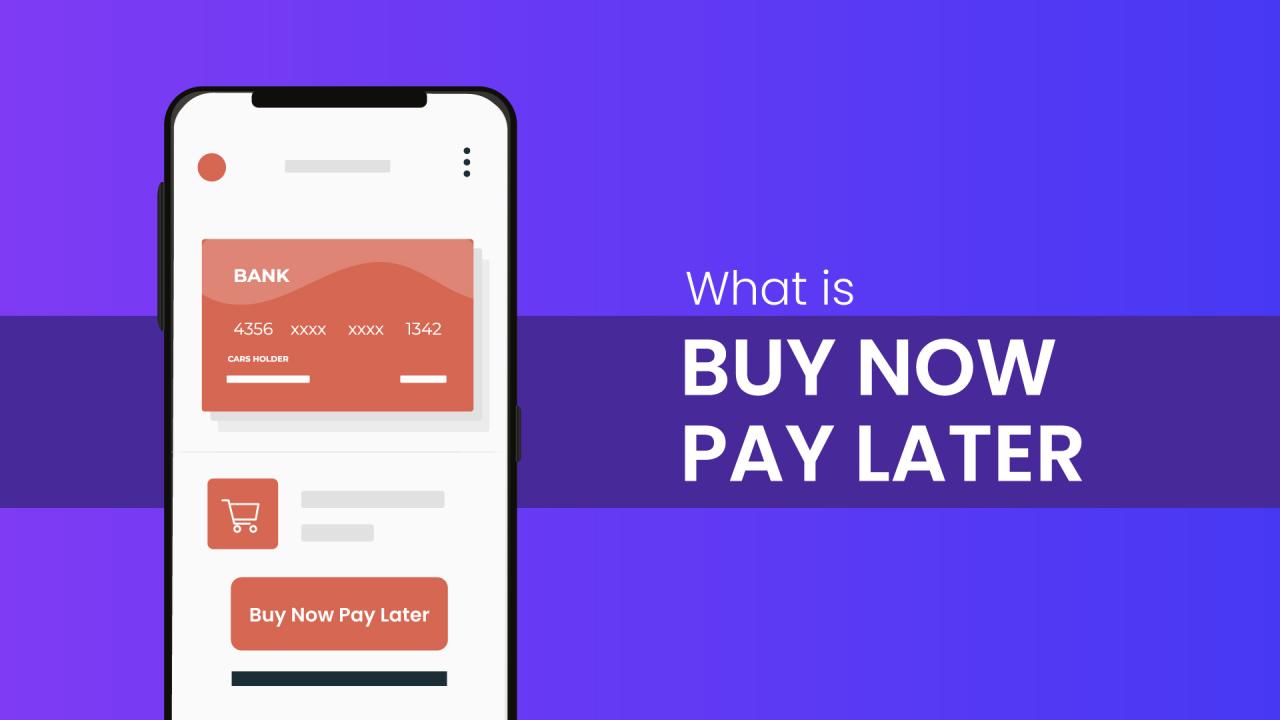
What is buy now pay later easy approval?
It’s a payment option allowing consumers to purchase items immediately and pay for them over time, often with little to no interest.
How does the easy approval process work?
Consumers typically provide basic information during checkout, and the approval process is usually instantaneous, enabling quick purchases.
Are there any fees associated with buy now pay later?
Some services may charge late fees if payments are missed, but many do not have hidden fees if payments are made on time.
Can anyone use buy now pay later services?
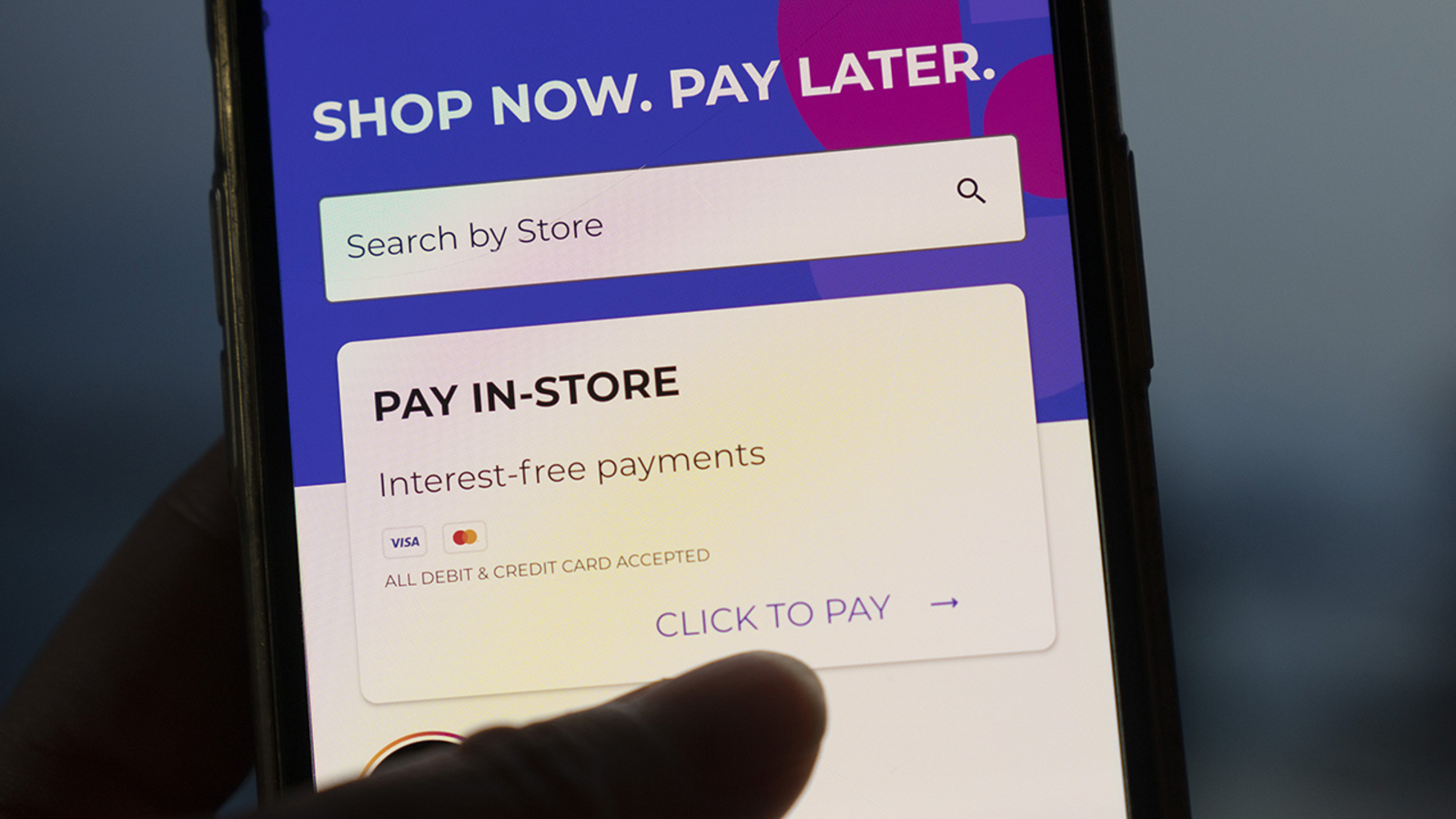
Most services are available to adults with a valid form of identification and meeting basic credit criteria, but specific terms may vary by provider.
How can I ensure responsible use of buy now pay later?
It’s important to budget carefully and only purchase what you can afford to pay back within the agreed timeline to avoid debt accumulation.