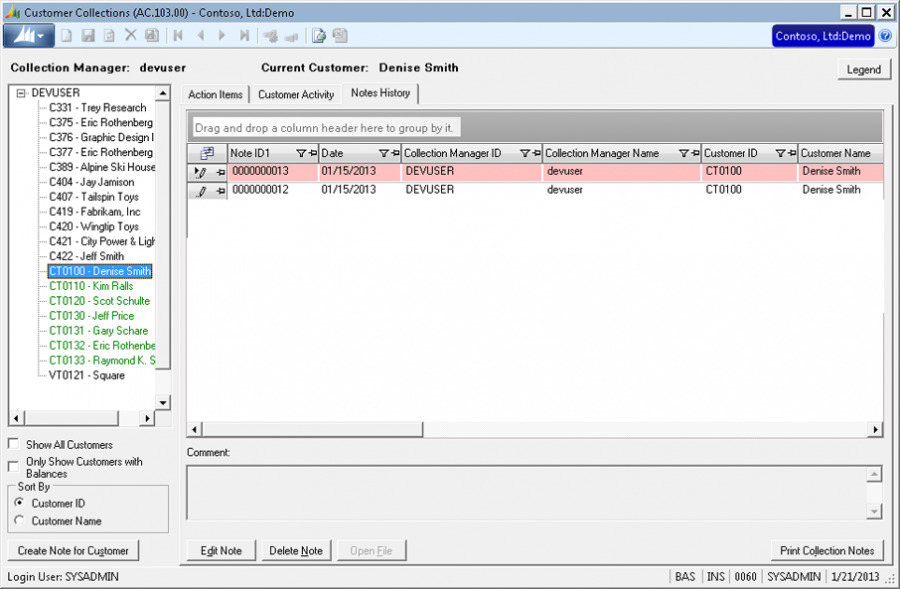
Starting with ar collection software, an essential tool for businesses seeking to streamline their accounts receivable processes, this technology enhances efficiency and helps maintain healthy cash flow. In today’s fast-paced market, having a reliable system in place can transform how companies manage their finances, ensuring timely collections and reducing the risk of overdue accounts.

The software not only automates invoicing and payment tracking but also provides valuable insights through analytics, making it easier for firms to understand their financial standing and make informed decisions. With the right ar collection software, businesses can achieve better customer relationships and overall financial health.

Welcome to the world of digital transformation—a landscape that is continually evolving and reshaping how we interact, work, and live. In this article, we will explore the multifaceted concept of digital transformation, its significance, the challenges it presents, and how organizations can effectively navigate this transition to thrive in today’s fast-paced environment.Digital transformation refers to the integration of digital technologies into all areas of a business, fundamentally changing how it operates and delivers value to customers.
It is not merely about adopting new tools or technologies; rather, it involves a cultural shift that requires organizations to continually challenge the status quo, experiment, and get comfortable with failure. This transformation affects all levels of an organization, impacting processes, people, and the underlying technology infrastructure.One of the key drivers of digital transformation is the rapid advancement of technology.
The proliferation of smartphones, cloud computing, big data analytics, and artificial intelligence (AI) has transformed how businesses engage with their customers. For example, companies that leverage data analytics can glean insights from customer interactions, allowing them to tailor their marketing strategies and improve customer experiences. Social media platforms have created new channels for direct communication, enabling businesses to build stronger relationships with their audience.Moreover, the COVID-19 pandemic has accelerated the pace of digital transformation.
With remote work becoming the norm, organizations were compelled to adopt digital tools to ensure continuity of operations. Virtual meetings, cloud collaboration tools, and digital payment systems became essential for businesses looking to maintain their operations while adhering to social distancing guidelines. This shift highlighted the importance of agility and adaptability, as companies that were already on the digital transformation journey were better equipped to navigate these unprecedented times.However, embarking on a digital transformation journey is not without its challenges.
Organizations may encounter resistance to change from employees who are accustomed to traditional processes. Additionally, there may be a lack of adequate skills and knowledge required to implement new technologies effectively. It is crucial to foster a culture of innovation and learning within the organization, encouraging employees to embrace change and upskill as necessary.Leadership plays a pivotal role in driving digital transformation.
Leaders must articulate a clear vision of the future and communicate the benefits of transformation to their teams. By fostering an inclusive environment where employees feel valued and empowered to contribute ideas, organizations can cultivate a sense of ownership over the transformation process. This engagement can help mitigate resistance and foster a positive attitude towards change.Another critical aspect of digital transformation is the importance of customer-centricity.
Companies must shift their focus from simply selling products to delivering exceptional customer experiences. By leveraging technologies like AI and machine learning, businesses can personalize their offerings, enhance customer support, and anticipate customer needs. Understanding the customer journey and employing a data-driven approach can lead to increased customer satisfaction and loyalty.To navigate the complexities of digital transformation, organizations can adopt several strategies.
Firstly, conducting a thorough assessment of current capabilities and identifying areas for improvement is essential. This assessment will help prioritize initiatives that align with the organization’s goals and objectives. Secondly, investing in training and development programs for employees can bridge the skills gap and ensure that the workforce is equipped to handle new technologies. Furthermore, collaborating with technology partners and industry experts can provide valuable insights and resources.
These partnerships can facilitate knowledge sharing and accelerate the implementation of new technologies, ultimately leading to a successful transformation journey. It’s also important to approach digital transformation as an ongoing process rather than a one-time project. The digital landscape is ever-changing, and organizations must remain agile to adapt to emerging trends and technologies. Regularly revisiting and refining digital strategies will enable organizations to stay ahead of the curve and continue delivering value to their customers.In conclusion, digital transformation is a comprehensive journey that requires a strategic approach, strong leadership, and a commitment to fostering a culture of innovation.
By embracing change and leveraging technology effectively, organizations can enhance their operations, improve customer experiences, and gain a competitive edge in the marketplace. As we move forward in this digital age, the organizations that succeed will be those that prioritize digital transformation and continuously evolve to meet the needs of their customers and the demands of their industry. The future is digital, and the time to embrace this change is now.
Remember, the journey of a thousand miles begins with a single step, and your organization’s digital transformation journey can start today.