Beginning with application security testing, the narrative unfolds in a compelling and distinctive manner, drawing readers into a story that promises to be both engaging and uniquely memorable. Application security testing is a critical process that ensures software applications are secure from vulnerabilities and threats. In an increasingly digital world, where data breaches and cyber threats are commonplace, understanding the significance of application security testing becomes essential for organizations striving to protect their assets and maintain user trust.
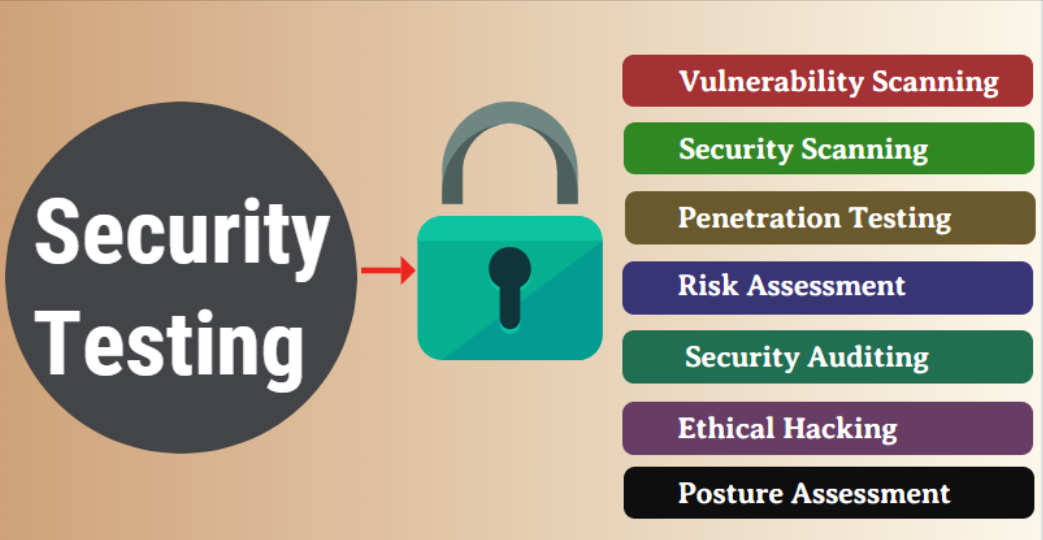
By employing a variety of methods and tools, developers and security professionals can identify potential weaknesses in their applications before they can be exploited. This proactive approach not only enhances the overall security posture of the application but also contributes to a more secure digital environment for users and businesses alike.

In the rapidly evolving landscape of technology and communication, the importance of effective writing cannot be overstated. Whether you’re drafting an email, preparing a report, or crafting a social media post, the ability to convey your message clearly and persuasively is crucial. In this article, we will explore the various aspects of effective writing, including clarity, conciseness, tone, and structure, while offering practical tips to enhance your writing skills.
Firstly, let’s discuss clarity. Clear writing is the foundation of effective communication. It allows the reader to understand your message without confusion or misinterpretation. To achieve clarity, it’s essential to use simple language and avoid jargon unless your audience is familiar with it. For instance, instead of saying “utilize,” opt for “use.” Additionally, be specific. Vague statements can lead to misunderstandings, so provide concrete examples to reinforce your points.
Next, consider conciseness. In today’s fast-paced world, people often skim through content. Therefore, it’s vital to get to the point quickly. Remove unnecessary words and phrases that do not add value to your message. For example, instead of saying “due to the fact that,” simply say “because.” This not only makes your writing more concise but also more engaging.
Tone is another critical aspect of writing. The tone of your message can greatly influence how it is received by your audience. Depending on your purpose and the relationship with your reader, you may choose to adopt a formal, informal, friendly, or assertive tone. For instance, if you’re writing a cover letter for a job application, a formal tone is appropriate. Conversely, if you’re sending a quick update to a colleague, a more casual tone may be suitable. Always consider your audience and adjust your tone accordingly.
Now, let’s talk about structure. A well-structured piece of writing makes it easier for readers to follow your thoughts. Start with a strong introduction that clearly states the purpose of your writing. This sets the stage for what’s to come. Follow this with the body, where you provide supporting details and arguments. Each paragraph should focus on a single idea, making it easier for the reader to digest the information. Finally, conclude with a summary of your main points or a call to action, prompting the reader to respond or reflect.
To illustrate these concepts, let’s look at a sample scenario. Imagine you’re writing an email to propose a new project idea to your team. Begin with a clear subject line that summarizes your proposal. In the opening paragraph, state your objective and briefly explain why the project is important. In the following paragraphs, Artikel the details of the project, including its goals, potential challenges, and benefits. Use bullet points for lists to enhance readability. Finally, end your email with a polite closing statement, inviting feedback and questions.
Another essential skill in effective writing is editing. The first draft is rarely perfect, and taking the time to revise and polish your work can significantly enhance its quality. Look out for grammatical errors, awkward phrasing, and unclear sentences. Reading your work aloud can help you catch mistakes and identify areas that need improvement. Additionally, consider seeking feedback from a colleague or friend who can provide an objective perspective.
Moreover, practicing regularly is key to becoming a better writer. Like any other skill, writing improves with practice. Set aside time each day or week to write, whether it’s journaling, blogging, or drafting professional documents. The more you write, the more comfortable you will become with different styles and formats.
In today’s digital age, understanding the nuances of online writing is also essential. Writing for the web differs from traditional writing in several ways. Online readers tend to scan content rather than read it word for word, so formatting is critical. Use headings, subheadings, and bullet points to break up text and make it more digestible. Additionally, consider incorporating visuals, such as images or infographics, to complement your writing and engage your audience.
Finally, keep in mind the importance of knowing your audience. Tailoring your message to meet the needs and preferences of your readers can significantly impact how your writing is received. Take the time to understand who your audience is, what they value, and how they prefer to consume information. This insight will inform your choices regarding tone, content, and format, ultimately enhancing the effectiveness of your writing.
In conclusion, effective writing is a multifaceted skill that requires attention to clarity, conciseness, tone, and structure. By incorporating these elements and continuously practicing, you can enhance your writing abilities and become a more compelling communicator. Remember to edit your work thoroughly and consider your audience at every step. With dedication and effort, you can master the art of writing and use it to your advantage in both personal and professional contexts. So, whether you’re drafting an important email or penning a creative story, keep these principles in mind to ensure your message resonates with your readers.