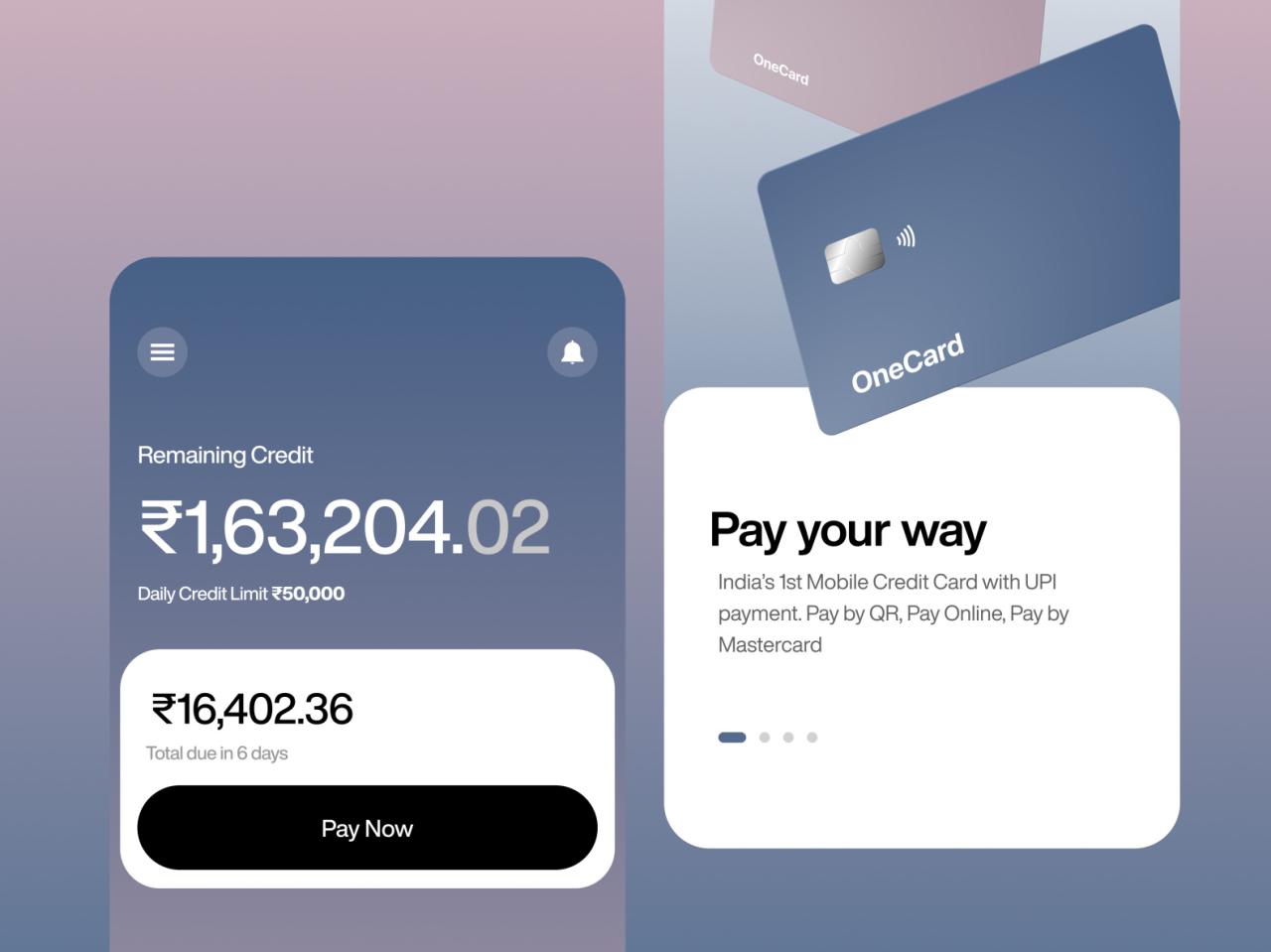
App to accept credit card payments is an essential tool for businesses looking to streamline transactions and enhance customer experiences. In today’s fast-paced digital world, having a reliable payment solution is crucial for success. This technology not only simplifies the process of accepting payments but also opens up new opportunities for businesses of all sizes to reach a broader audience.
By integrating seamless payment options through mobile applications, businesses can cater to the evolving demands of consumers who prefer quick and secure transactions. In this overview, we will delve into the various aspects of credit card payment applications, including their benefits, features, and the vital role they play in modern commerce.
In an era where technology is woven into the fabric of everyday life, digital literacy has emerged as a critical skill set. From scrolling through social media to navigating complex software applications, the ability to effectively engage with digital tools is no longer optional; it’s essential. This article explores the significance of digital literacy, its implications for various demographics, and strategies for enhancing these crucial skills.
Understanding Digital Literacy
Digital literacy encompasses a range of competencies that enable individuals to find, evaluate, and communicate information through digital platforms. It goes beyond mere technical skills, incorporating critical thinking and problem-solving abilities. In essence, digital literacy is about understanding how to use technology responsibly and effectively, which is increasingly vital in a world dominated by digital interactions.
Why Digital Literacy Matters
As we navigate the complexities of the digital age, the importance of digital literacy becomes clear. Here are a few reasons why it matters:

1. Employment Opportunities
Most jobs today require at least a basic understanding of digital tools. Employers increasingly seek candidates who can demonstrate proficiency in software applications, online communication, and data management. The job market favors those who can adapt quickly to new technologies, making digital literacy a key factor in employability.
2. Informed Decision Making
The internet is flooded with information, making it crucial to discern credible sources from unreliable ones. Digital literacy empowers individuals to critically evaluate the information they encounter online, allowing for informed decision-making in personal, professional, and social contexts. This skill set is particularly vital in today’s climate, where misinformation can spread rapidly.
3. Civic Engagement
In a democratic society, the ability to engage with digital platforms is essential for civic involvement. From participating in online discussions to accessing government resources, digital literacy enables citizens to contribute meaningfully to their communities. It fosters a more informed electorate, capable of engaging with political processes and advocating for change.
Demographics and Digital Literacy
While digital literacy is essential for everyone, certain demographics face unique challenges in acquiring these skills. Understanding these challenges is key to developing effective educational strategies.
1. Children and Adolescents
Young people grow up in a digital world, yet they often lack guidance on how to navigate it safely and effectively. Schools play a pivotal role in teaching digital literacy from an early age, helping students develop the skills needed for academic success and future employment. Incorporating digital literacy into the curriculum can prepare students for the demands of a technology-driven workforce.
2. Adults and Workforce Development
Many adults may feel overwhelmed by rapidly changing technologies, which can create barriers to career advancement. Workforce development programs that focus on digital skills training can help bridge this gap. Offering courses that cater to various skill levels can empower individuals to enhance their employability and adapt to new job requirements.
3. Seniors
As technology continues to evolve, seniors often find themselves at a disadvantage due to a lack of familiarity with digital tools. Programs designed specifically for older adults can help demystify technology, enabling them to connect with loved ones, access services, and participate in the digital economy. Teaching digital literacy to seniors not only enhances their quality of life but also fosters intergenerational connections.
Enhancing Digital Literacy Skills
Improving digital literacy is a shared responsibility among educators, employers, and individuals. Here are several strategies to enhance these essential skills:
1. Educational Initiatives
Schools and community organizations should prioritize digital literacy education. Offering workshops, online courses, and after-school programs can help learners of all ages develop the necessary skills. Collaborating with technology companies for resources and expertise can further enrich these initiatives.
2. Workplace Training
Employers should invest in ongoing training for their employees. Providing access to professional development programs that focus on digital skills not only benefits the organization but also empowers employees. This investment can lead to a more skilled workforce that is better equipped to handle technological advancements.
3. Self-Directed Learning
Individuals can take the initiative to improve their digital literacy through self-directed learning. Online resources, such as tutorials, webinars, and e-learning platforms, offer a wealth of information. Setting personal goals and dedicating time to practice can lead to significant improvements in digital skills.

The Future of Digital Literacy
As technology continues to evolve, so too will the landscape of digital literacy. Emerging fields like artificial intelligence, virtual reality, and data analytics will require new skill sets. Staying ahead in this dynamic environment will necessitate a commitment to lifelong learning and adaptability.
In conclusion, digital literacy is a fundamental skill in our increasingly interconnected world. It empowers individuals to navigate the complexities of technology, make informed decisions, and engage meaningfully in society. By prioritizing digital literacy education across all demographics, we can foster a more informed and engaged citizenry, ready to take on the challenges of the future.
FAQ Insights
What types of businesses can benefit from a credit card payment app?
Almost any business, from retail stores to service providers, can benefit from using a credit card payment app to improve transaction efficiency.
Are credit card payment apps secure?
Yes, most credit card payment apps utilize advanced encryption and security protocols to protect sensitive customer information.
Can I use a credit card payment app for online sales?
Absolutely! Many credit card payment apps are designed specifically to handle online transactions, making them ideal for e-commerce.
Do I need a merchant account to use a credit card payment app?
Some apps require a merchant account, while others provide all-in-one solutions that include account services.
How quickly can I access funds from credit card payments?
Typically, funds from credit card transactions can be accessed within a few business days, depending on the payment processor.