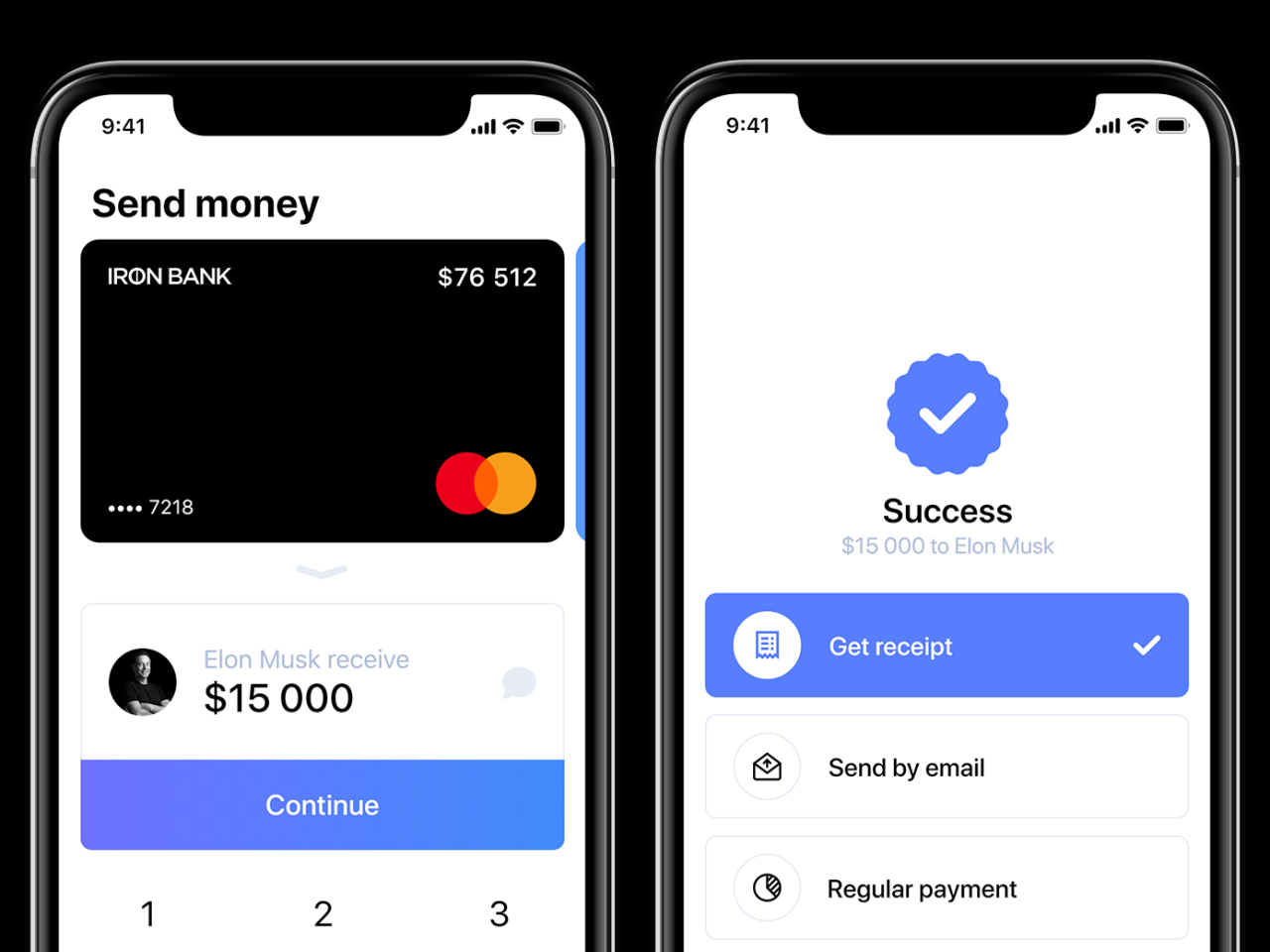
Alternatives to apple pay sets the stage for this enthralling narrative, offering readers a glimpse into a story that is rich in detail and brimming with originality from the outset. In today’s fast-paced digital world, the way we conduct transactions has evolved significantly, leading to a variety of payment solutions that cater to diverse needs and preferences. With the rise of mobile payments, it’s essential to explore various alternatives that provide ease, security, and flexibility for users seeking options beyond the standard offerings.

As we delve deeper, we will uncover the unique features and benefits of these alternatives, showcasing how they can enhance your financial transactions in a seamless manner. Whether you’re looking for user-friendly apps, loyalty rewards, or enhanced security features, understanding these alternatives will empower you to make informed choices about your digital payments.
In today’s interconnected world, communication has evolved dramatically. The way we interact with each other has changed due to advancements in technology and the advent of social media. These changes have not only transformed our personal lives but also have significantly impacted the business landscape. This article delves into the various aspects of communication in the modern age, exploring its implications, challenges, and opportunities.One of the most notable changes in communication is the rise of digital platforms.
Emails, instant messaging, and social media have become the primary means through which individuals and organizations communicate. These platforms allow for instant exchanges of information, breaking geographical barriers and enabling real-time conversations. For businesses, this has opened up a world of possibilities, from reaching a global audience to engaging with customers in a more direct and personal manner.However, the shift towards digital communication is not without its challenges.
One major concern is the potential for miscommunication. In face-to-face interactions, non-verbal cues such as body language and tone of voice play a significant role in conveying messages. In contrast, digital communication often lacks these elements, which can lead to misunderstandings. For instance, a simple text message can be interpreted in various ways depending on the recipient’s mood and perspective.
Thus, businesses must be mindful of how they communicate and strive for clarity in their messages to avoid any confusion.Moreover, the overwhelming amount of information available online can lead to information overload. With countless social media platforms, blogs, and websites vying for attention, it can be challenging for individuals to discern what is relevant and accurate. This has prompted businesses to focus on creating high-quality content that stands out in the crowded digital landscape.
Content marketing has emerged as a vital strategy for engaging audiences and building brand trust. By providing valuable, informative content, businesses can position themselves as thought leaders in their industry and foster loyalty among their customers.Another significant aspect of modern communication is the democratization of information. Social media has given everyone a voice, allowing individuals to share their opinions and experiences with a global audience.
This has empowered consumers, who now have the ability to influence brand perception through their feedback and reviews. Consequently, businesses must be more attentive to customer feedback and adapt their strategies accordingly. Engaging with customers on social media platforms not only helps build relationships but also provides invaluable insights into their preferences and needs.As communication continues to evolve, the importance of emotional intelligence cannot be overstated.
In a world where technology often mediates our interactions, the ability to connect with others on an emotional level has become a crucial skill. Businesses that prioritize emotional intelligence in their communication strategies are more likely to foster meaningful relationships with their customers. This involves listening actively, showing empathy, and responding thoughtfully to feedback. By cultivating emotional intelligence within their teams, organizations can create a positive workplace culture that ultimately enhances productivity and employee satisfaction.Furthermore, as remote work becomes increasingly common, businesses must adapt their communication practices to suit a virtual environment.
Effective communication is key to maintaining collaboration and team cohesion in remote settings. This requires leveraging various tools and technologies to facilitate communication among team members. Video conferencing, project management software, and instant messaging apps can help bridge the gap between remote workers and ensure that everyone stays informed and engaged.In addition to internal communication, businesses must also consider how to effectively communicate with their external audience in a remote world.
Virtual events, webinars, and online workshops have gained popularity as businesses seek to connect with their customers and showcase their products or services. These formats allow for interactive engagement, enabling businesses to reach a wider audience while providing valuable content. However, it is essential for organizations to ensure that these virtual interactions are well-planned and executed to maintain professionalism and deliver a positive experience for participants.Moreover, the rise of artificial intelligence (AI) and automation is reshaping the landscape of communication.
AI-powered chatbots and virtual assistants are becoming increasingly prevalent in customer service, providing quick responses to inquiries and freeing up human agents to handle more complex issues. While this technology enhances efficiency, it also raises questions about the importance of human touch in communication. Businesses must strike a balance between leveraging technology and maintaining a personal connection with their customers.
Striving for a hybrid approach that combines automation with human interaction can lead to a more satisfactory customer experience.Looking ahead, the future of communication will undoubtedly continue to evolve. As new technologies emerge, businesses must remain agile and open to adapting their communication strategies. This may involve exploring innovative platforms, utilizing data analytics to understand audience behavior, and staying informed about emerging trends in communication.
Moreover, fostering a culture of open communication within organizations will be essential for keeping teams aligned and motivated in a rapidly changing environment.In conclusion, communication in the modern age is multifaceted and dynamic. The rise of digital platforms, the need for emotional intelligence, and the impact of technology are reshaping how we interact with one another, both personally and professionally.
For businesses, effective communication is not just about conveying a message; it is about building relationships and fostering trust with customers and employees alike. By embracing the challenges and opportunities presented by modern communication, organizations can position themselves for success in an ever-evolving landscape. As we navigate this new era, one thing remains clear: the ability to communicate effectively will always be a vital skill in our interconnected world.

Detailed FAQs
What are some popular alternatives to Apple Pay?
Popular alternatives include Google Pay, Samsung Pay, Venmo, and PayPal, each offering unique features and compatibility with various devices.
Are alternatives to Apple Pay secure?
Yes, most alternatives use encryption and other security measures to protect user information during transactions.
Can I use these alternatives internationally?
Many alternatives have international capabilities, but it’s best to check the specific app’s features and any associated fees for foreign transactions.
Do I need a specific device to use alternatives to Apple Pay?
Some alternatives are available on multiple platforms, including Android and iOS, while others may be limited to specific devices.
How do I choose the best payment alternative for me?
Consider factors such as security, ease of use, rewards programs, and compatibility with your devices to find the right fit.