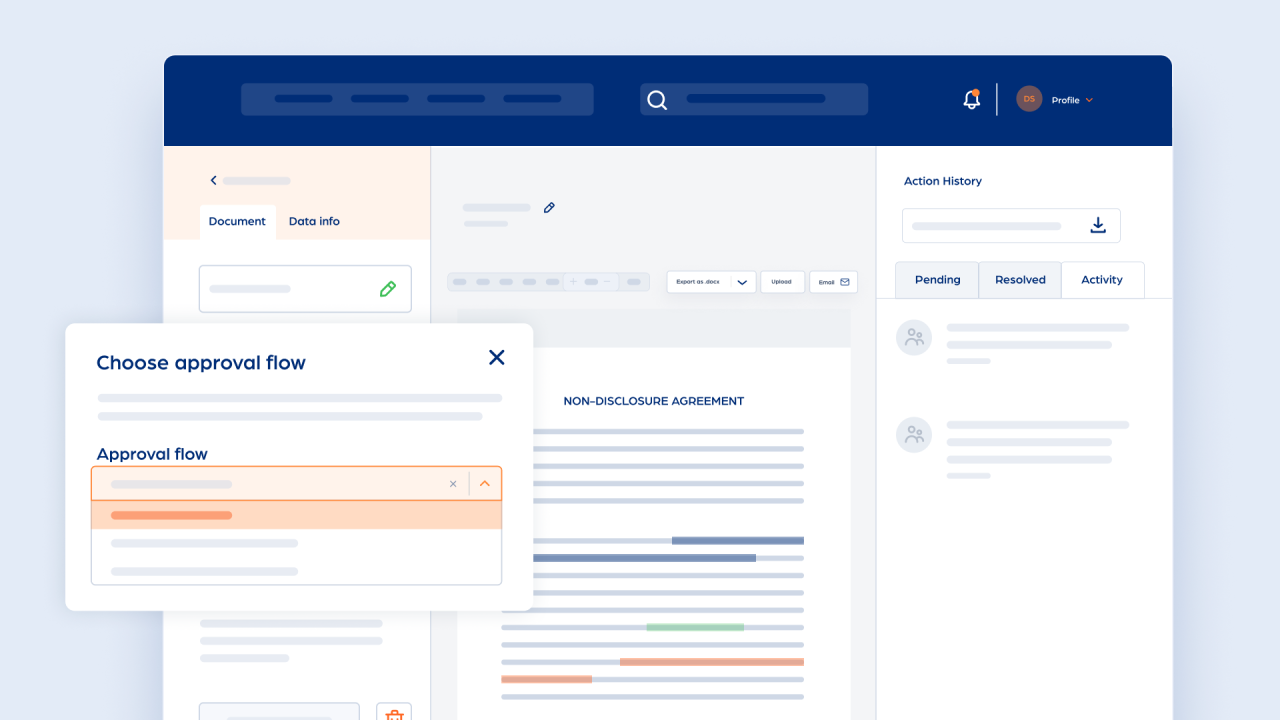
As AI contract review software takes center stage, this opening passage beckons readers into a world crafted with insightful knowledge, ensuring a reading experience that is both absorbing and distinctly original. In a landscape where legal compliance is paramount, these tools simplify the often tedious process of reviewing contracts by leveraging advanced algorithms to analyze language and context. This technology not only enhances accuracy but also saves valuable time, allowing businesses to focus on strategic decisions rather than getting bogged down in paperwork.
In an age where technology permeates nearly every aspect of our lives, the need for effective communication has never been more prominent. Whether it’s through emails, social media, or traditional face-to-face interactions, the ability to convey ideas clearly and efficiently is vital. This article will explore the nuances of communication, the impact of digital media, and the importance of understanding your audience.At its core, communication is about sharing information between individuals or groups.
It encompasses a range of forms, including verbal, non-verbal, written, and visual communication. Each method has its strengths and weaknesses, and the choice of which to use often depends on the context and the audience. For instance, while an email may be suitable for formal communication, a quick text message might suffice for informal chats with friends.Verbal communication involves speaking and listening.
The significance of tone, pitch, and pace cannot be overstated. When conveying a message orally, one must pay attention to not only the words used but also the delivery. A well-articulated thought can easily be misunderstood if the tone is off or if the speaker is not engaged. Additionally, active listening plays a crucial role here. It’s not just about hearing the words, but understanding the intent and emotions behind them.
This two-way process fosters better relationships and ensures that both parties feel valued and understood.Non-verbal communication, on the other hand, includes body language, facial expressions, and gestures. These subtle cues can often speak louder than words. For example, a smile can convey warmth and openness, while crossed arms might suggest defensiveness or discomfort. Being aware of these signals can enhance your ability to connect with others.
When you’re aware of your own body language and that of others, you can adjust your interactions to ensure clarity and effectiveness.In today’s digital world, written communication has taken center stage. From emails to social media posts, the written word can reach vast audiences in no time. However, the brevity encouraged by digital platforms can lead to misunderstandings. The challenge lies in conveying your message succinctly while still ensuring clarity.
This is where the importance of editing and proofing comes into play. A well-structured message can make all the difference in how it’s received. Always consider your audience’s perspective and tailor your content accordingly. Visual communication is another powerful tool. Infographics, charts, and images can help simplify complex ideas and make them more accessible.

As the saying goes, “A picture is worth a thousand words.” Visual aids can enhance understanding and retention, making them a valuable asset in presentations, reports, and discussions. When used effectively, they can clarify points that might otherwise be lost in an avalanche of text.The rise of social media has transformed how we communicate. Platforms like Twitter, Facebook, and Instagram allow for instant sharing of thoughts and experiences.
However, this immediacy can also lead to hasty judgments and misinterpretations. It’s essential to approach online communication with a level of caution and mindfulness. The permanence of digital content means that a single misstep can have lasting repercussions. Always think before you post and consider the potential impact of your words on others.Moreover, understanding your audience is paramount. Different groups may interpret the same message in various ways based on their backgrounds, experiences, and cultural contexts.
Tailoring your communication style to fit the specific audience can significantly enhance effectiveness. For instance, a corporate presentation might require a more formal tone and comprehensive data, while a blog post aimed at a younger audience might benefit from a casual and relatable approach.Feedback is an essential component of effective communication. It creates a loop of understanding and improvement. Whether through direct conversations or written evaluations, seeking feedback can offer valuable insights into how your message was received.
Embrace constructive criticism as an opportunity for growth. This willingness to adapt and learn can greatly enhance your communication skills over time.As we delve further into the digital age, the importance of emotional intelligence in communication cannot be overlooked. Being aware of one’s own feelings and those of others can help navigate complex conversations. Empathy plays a crucial role here, allowing individuals to connect on a deeper level.
Understanding the emotions behind the words can lead to more meaningful interactions and foster stronger relationships.In conclusion, effective communication is a multi-faceted skill that requires practice and awareness. Whether through verbal, non-verbal, written, or visual means, the goal remains the same: to convey ideas clearly and foster understanding. As we continue to navigate a world increasingly dominated by digital interactions, honing our communication skills will be essential for personal and professional success.
Remember, it’s not just about what you say, but how you say it that makes all the difference. Always consider your audience, be mindful of your delivery, and embrace the power of feedback. With these tools in hand, anyone can become a more effective communicator.