Accepting debit card payments is becoming an essential part of modern business practices, allowing customers to make purchases easily and securely. With the rise of digital transactions, businesses that integrate debit card payments not only enhance customer convenience but also boost their sales potential.
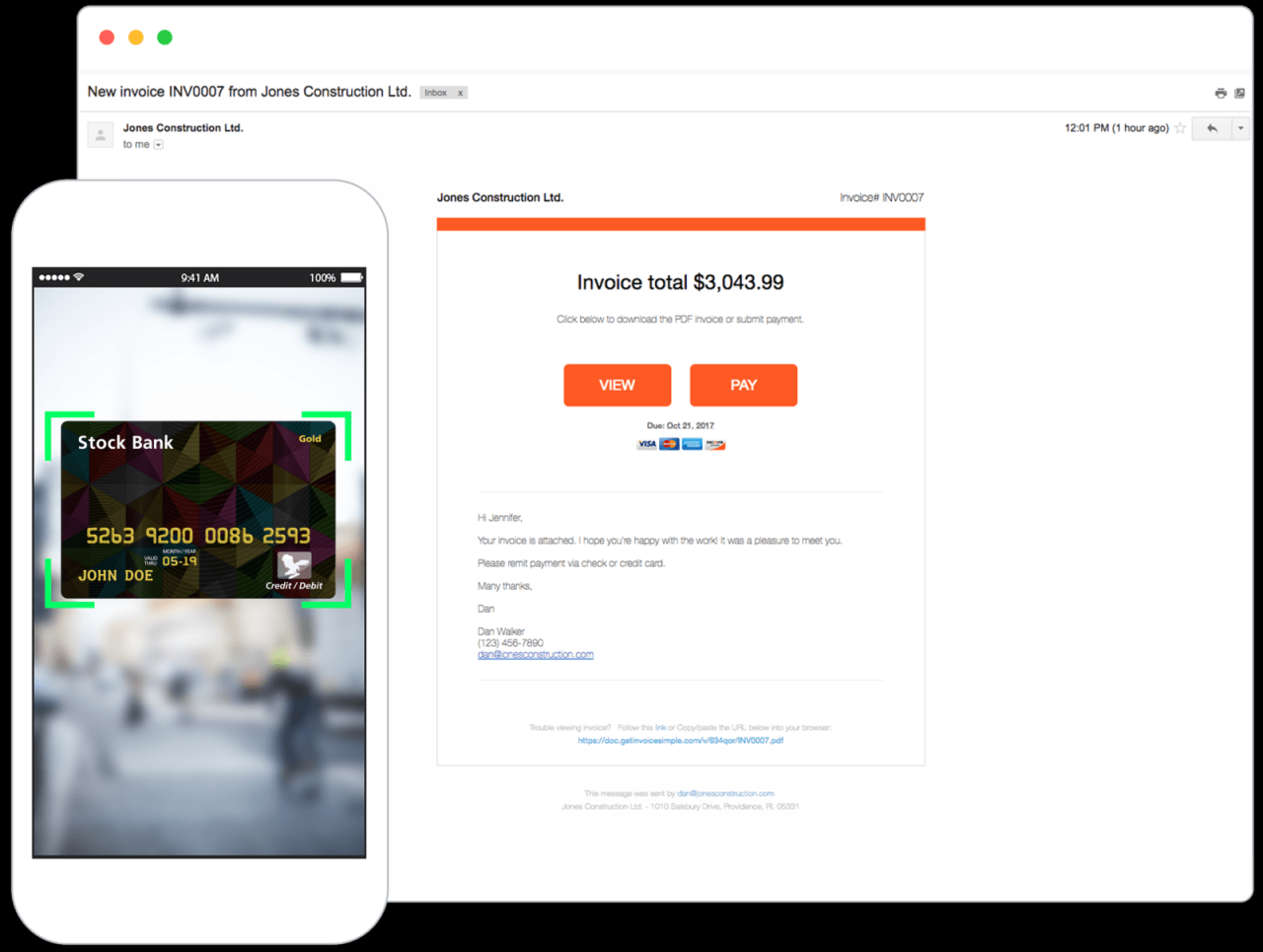
Understanding the nuances of accepting debit card payments can help businesses cater to their clientele effectively. This involves knowing the different types of debit cards, the transaction process, and the benefits that come with offering this payment option.
In the wake of the global pandemic, businesses and employees have had to adapt to a rapidly changing landscape. Remote work has transitioned from a temporary solution to a permanent fixture for many organizations. This shift not only impacts how we work but also influences our lifestyles, mental health, and community interaction. In this article, we will explore the evolving dynamics of remote work, its advantages and challenges, and what the future may hold for this new normal.
The Rise of Remote Work
Before the pandemic, remote work was already on the rise, with many companies offering flexible working arrangements. However, the COVID-19 pandemic accelerated this trend at an unprecedented pace. Companies, regardless of size or industry, were forced to pivot quickly, embracing digital tools to facilitate collaboration and communication. In just a matter of weeks, millions transitioned from traditional office environments to home offices.
Benefits of Remote Work
One of the most significant advantages of remote work is the flexibility it offers. Employees can create their schedules, allowing them to balance work with personal commitments. This flexibility can lead to increased job satisfaction and productivity. Remote work also eliminates commuting time, giving employees more time to spend on work tasks or personal interests.
Furthermore, companies can benefit from reduced overhead costs. With a remote workforce, businesses can downsize their physical office spaces, saving on rent, utilities, and other operational expenses. Additionally, remote work opens the door to a global talent pool, allowing companies to hire the best talent regardless of geographical boundaries.
Challenges of Remote Work
Despite its numerous benefits, remote work is not without challenges. One of the most prominent issues is the blurring of boundaries between work and personal life. Employees may find it difficult to “switch off” from work, leading to burnout and decreased mental health. The absence of a defined workspace can make it challenging to focus, and distractions from family or household responsibilities can interfere with productivity.
Moreover, remote work can lead to feelings of isolation. Employees miss out on the social interactions and camaraderie that come with working in an office environment. This lack of face-to-face communication can hinder collaboration and creativity and make it harder for employees to build relationships with colleagues.
Maintaining Company Culture
For organizations that have made a permanent switch to remote work, maintaining company culture is a crucial consideration. The culture of an organization plays a significant role in employee engagement and retention. Companies must find innovative ways to foster connection and community among remote employees. Virtual team-building activities, regular check-ins, and open communication channels are essential in creating a sense of belonging.
Moreover, leadership plays a pivotal role in shaping and sustaining company culture in a remote environment. Leaders must prioritize clear and transparent communication, provide support for mental health, and recognize employees’ achievements, regardless of their physical location.
The Role of Technology
Technology has been the backbone of the remote work transition. From video conferencing tools like Zoom and Microsoft Teams to project management platforms such as Trello and Asana, businesses have leveraged technology to maintain productivity and collaboration. However, as remote work continues to evolve, organizations must remain adaptable and open to integrating new tools that enhance the remote work experience.
Moreover, cybersecurity is a growing concern as more employees access company data from home networks. Organizations must invest in secure communication systems and provide training to employees on best practices for data security.
The Future of Remote Work
Looking ahead, the future of remote work appears to be hybrid. Many companies are adopting a hybrid model, allowing employees to split their time between remote work and in-office work. This model combines the best of both worlds, offering flexibility while still maintaining opportunities for in-person collaboration and networking.
As organizations continue to refine their remote work policies, it will be essential to gather employee feedback to understand their needs and preferences. Employee input will help shape a work environment that promotes productivity while prioritizing work-life balance.
Conclusion
The shift to remote work has undoubtedly changed the way we approach our careers and personal lives. While the transition has come with both benefits and challenges, it has also opened up new possibilities for how work can be structured in the future. Companies that embrace this change and prioritize employee well-being will be better positioned to thrive in the evolving landscape of work.
As we continue to navigate this new normal, it is crucial to remain adaptable, intentional, and supportive. The future of work is not just about where we work but how we work, and with the right strategies in place, remote work can be a beneficial arrangement for both employers and employees alike.
Popular Questions
What are the benefits of accepting debit card payments?
Accepting debit card payments increases customer convenience, reduces cash handling, and may lower transaction fees compared to credit cards.
Are there any risks associated with accepting debit card payments?
While generally safe, risks include potential chargebacks, fraud, and compliance with PCI-DSS standards for data security.
How can I set up debit card payment processing for my business?
To set up debit card payment processing, you need to choose a payment processor, set up a merchant account, and integrate it with your sales platform.
Do I need special equipment to accept debit card payments?

Depending on your setup, you may need a card reader or terminal, especially if you are processing in-person transactions.
Can I accept debit card payments online?

Yes, you can accept debit card payments online through payment gateways that integrate with your e-commerce platform.