As cyber insurance for small business takes center stage, the necessity of safeguarding digital assets has never been more critical. With the rise of cyber threats, small businesses find themselves vulnerable to data breaches and financial losses. Cyber insurance emerges as a vital tool, offering not just financial protection but also peace of mind in an increasingly digital world.
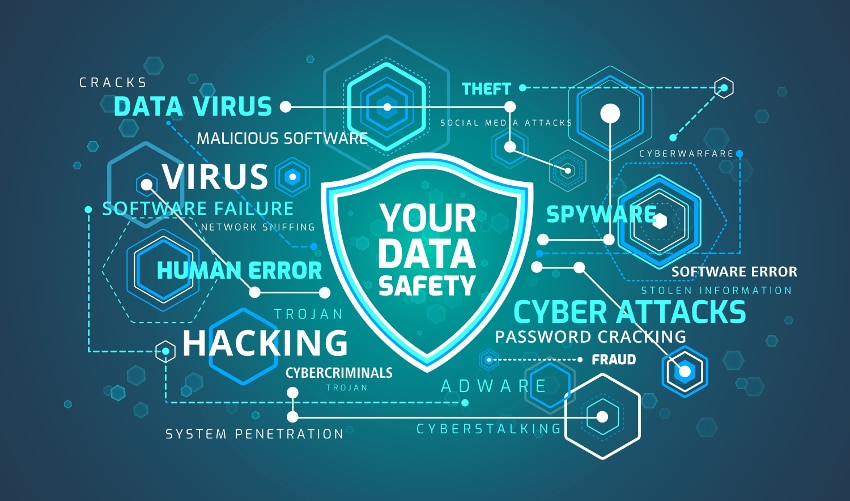
This insurance covers a range of risks, including data breaches, ransomware attacks, and liability for customer information loss. Understanding the nuances of cyber insurance helps small businesses choose the right policy to fit their specific needs, ensuring they are well-prepared to tackle any cyber incident that may arise.

In the fast-paced world we live in today, the importance of effective communication cannot be overstated. Whether it’s in our personal lives or professional environments, the ability to convey ideas clearly and persuasively is crucial. This article will delve into the nuances of communication, exploring various styles, techniques, and the ever-evolving landscape of how we interact with one another.
To begin with, let’s define what communication truly is. At its core, communication is the process of exchanging information, ideas, thoughts, and feelings between individuals. This exchange can happen through various channels, including verbal, non-verbal, written, and digital means. Each mode of communication has its own set of rules and conventions, which can significantly influence how messages are received and interpreted.
One of the most fundamental aspects of communication is the distinction between verbal and non-verbal communication. Verbal communication involves the use of spoken or written words, while non-verbal communication encompasses body language, facial expressions, gestures, and even tone of voice. Research has shown that a significant portion of our communication is non-verbal, with some studies suggesting that up to 93% of communication effectiveness may come from non-verbal cues. This highlights the importance of being aware of our own body language and how it may be perceived by others.
In professional settings, effective communication is vital for collaboration and productivity. Team members must be able to share ideas, give feedback, and express concerns openly to foster a healthy work environment. One popular strategy for enhancing communication in the workplace is the use of active listening. This technique involves fully concentrating on what is being said rather than just passively hearing the message. By demonstrating genuine interest and understanding, individuals can build stronger connections and encourage open dialogue.
Furthermore, the rise of remote work has transformed how we communicate. As more organizations adopt flexible working arrangements, the reliance on digital communication tools has grown. Platforms like Slack, Zoom, and Microsoft Teams have become integral to daily operations. While these tools offer convenience and flexibility, they also come with challenges, such as the potential for miscommunication due to the lack of non-verbal cues. To mitigate these issues, it is essential to be clear and concise in written communication, utilizing visual aids when necessary to enhance understanding.
Another critical component of effective communication is adaptability. Different situations and audiences may require varying styles of communication. For instance, the way one communicates with colleagues might differ from how they interact with clients or stakeholders. Being able to adjust one’s tone, language, and approach based on the audience and context can significantly improve the effectiveness of the message. This adaptability is especially important in multicultural environments where individuals may come from diverse backgrounds and possess different communication styles.
Moreover, the ongoing development of technology has introduced new communication trends that are reshaping how we connect with one another. Social media platforms, for example, have created new avenues for interaction, allowing individuals to engage with a broader audience. However, this digital landscape also presents challenges, such as the potential for misunderstandings and the spread of misinformation. As digital communication continues to evolve, individuals must remain vigilant and critical of the information they consume and share.
In addition to these trends, the concept of emotional intelligence plays a significant role in effective communication. Emotional intelligence refers to the ability to recognize, understand, and manage our own emotions and the emotions of others. Individuals with high emotional intelligence are better equipped to navigate sensitive conversations, resolve conflicts, and foster positive relationships. By being attuned to the emotional undercurrents of a conversation, one can respond more empathetically and constructively.
To further enhance communication skills, individuals can engage in various practices and exercises. Public speaking, for example, is a valuable skill that can boost confidence and clarity when expressing ideas. Joining local clubs, such as Toastmasters, can provide a supportive environment for individuals to practice and refine their speaking abilities. Additionally, seeking feedback from peers and mentors can offer insights into areas for improvement.
Finally, it’s essential to recognize that effective communication is not only about speaking and writing well but also about fostering an inclusive environment where all voices are heard. Encouraging participation from all members of a group can lead to richer discussions and more innovative solutions. This inclusivity can be achieved by creating safe spaces for dialogue, actively soliciting input from quieter individuals, and valuing diverse perspectives.
In conclusion, effective communication is a multifaceted skill that requires ongoing practice and refinement. By understanding the different modes of communication, embracing adaptability, and cultivating emotional intelligence, individuals can enhance their ability to connect with others. As our world continues to evolve, so too will the ways in which we communicate. By remaining open to new strategies and technologies, we can continue to improve our communication skills and foster meaningful relationships in both our personal and professional lives.