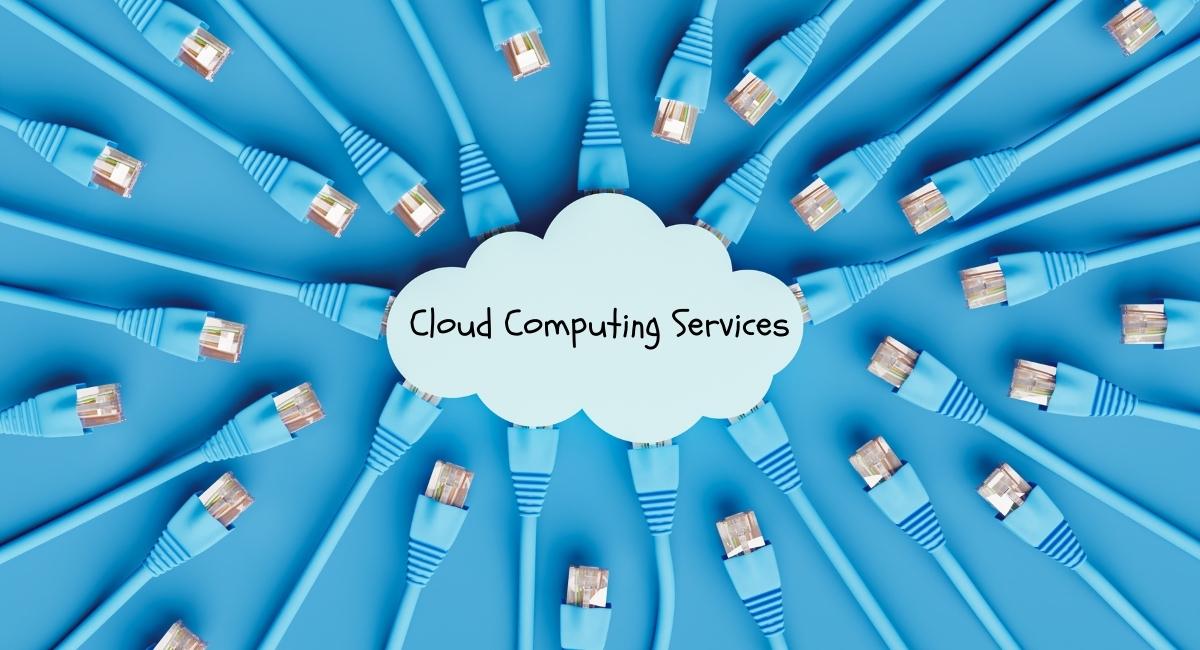
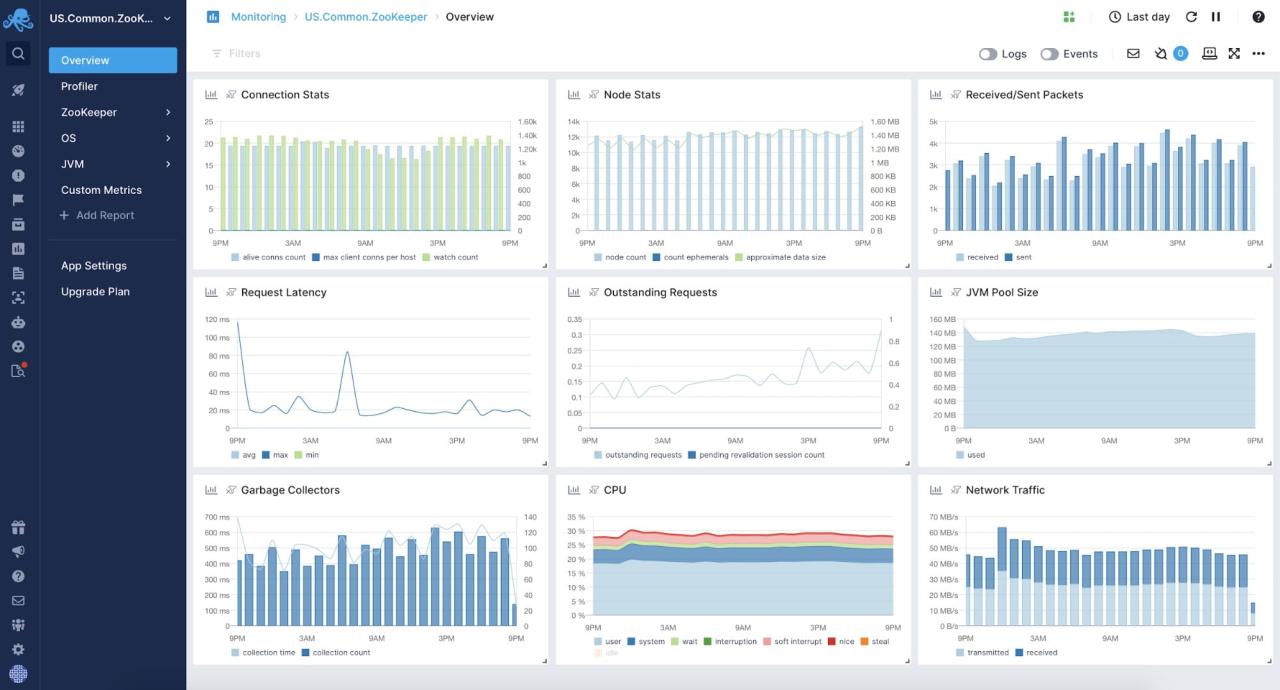
Cloud computing monitoring is an increasingly vital aspect of modern technology management, ensuring that businesses can maintain optimal performance and security in their cloud environments. With the rapid growth of cloud services, understanding how to effectively monitor these systems has become crucial for organizations looking to leverage their full potential. This introduction sets the stage for a deeper exploration of the tools and strategies that empower businesses to oversee their cloud operations efficiently.
As organizations migrate to cloud-based solutions, the necessity for robust monitoring systems has surged. Effective cloud computing monitoring allows for real-time analytics, performance tracking, and proactive troubleshooting, ensuring that resources are used efficiently and securely. In this discussion, we will delve into the various components and best practices that define effective monitoring in the cloud landscape.
Time management is a crucial skill that affects every aspect of our daily lives, from personal responsibilities to professional obligations. In today’s fast-paced world, the ability to effectively manage time can significantly influence our success and overall well-being. This article aims to delve into the importance of time management and provide actionable tips for improving this essential skill.
Understanding Time Management
At its core, time management refers to the process of planning and exercising conscious control over the amount of time spent on specific activities. Good time management enables an individual to complete more in a shorter period of time, lowers stress, and leads to career success. It involves setting goals, prioritizing tasks, and being disciplined enough to stick to the plan.
The Benefits of Time Management
Effective time management comes with a plethora of benefits. Here are some of the most notable advantages:
- Increased Productivity: When you manage your time effectively, you can accomplish more in less time. This not only helps you meet deadlines but also allows you to take on additional responsibilities.
- Reduced Stress: By organizing your tasks and responsibilities, you can alleviate the feeling of being overwhelmed. Knowing what needs to be done and having a plan to do it reduces anxiety levels.
- Improved Quality of Work: When you are not rushing to meet deadlines, you can focus more on the quality of your work. This often leads to better outcomes and higher satisfaction from both employers and clients.
- More Free Time: Effective time management frees up time for more enjoyable activities, allowing for a better work-life balance. Whether it’s spending time with family or engaging in hobbies, the benefits extend beyond work.
- Enhanced Self-Discipline: Managing your time effectively requires developing self-discipline. This skill can spill over into other areas of your life, leading to overall personal growth.
Common Time Management Challenges
Despite its importance, many people struggle with time management due to various challenges:
- Procrastination: Putting off tasks can lead to a backlog of work and increased stress. Procrastination often stems from feelings of inadequacy or lack of motivation.
- Distractions: In our digital age, distractions abound. Whether it’s social media, emails, or even an unorganized workspace, distractions can significantly hamper productivity.
- Poor Prioritization: Not all tasks are created equal. Failing to prioritize can lead you to spend time on less important activities while neglecting high-impact tasks.
- Inability to Say No: Many individuals struggle with saying no to requests for their time, leading to an overloaded schedule. It’s essential to recognize your limits and manage commitments accordingly.
Strategies for Effective Time Management
To overcome these challenges and improve your time management skills, consider the following strategies:
1. Set Clear Goals
Establish both short-term and long-term goals. This provides a clear vision of what you want to achieve and allows you to align your daily activities with your objectives.
2. Use a Planner
Whether it’s a digital app or a traditional paper planner, having a tool to organize your tasks and appointments can help you stay on track. Schedule your day in advance, including breaks and personal time.
3. Prioritize Tasks
Identify which tasks are most important and tackle those first. Consider using techniques like the Eisenhower Matrix, which categorizes tasks based on urgency and importance.
4. Set Time Limits
Assign specific time frames to tasks to enhance focus. For instance, instead of saying you’ll work on a project “later,” allocate a set amount of time to work on it right now. This creates a sense of urgency and helps maintain momentum.
5. Eliminate Distractions
Identify and minimize distractions in your work environment. This could mean turning off notifications on your devices, creating a dedicated workspace, or setting boundaries with others during work hours.
6. Learn to Say No
Being selective about the commitments you take on is vital. If a new task doesn’t align with your goals or priorities, it’s okay to decline.
7. Review and Reflect
Regularly take time to review your productivity and effectiveness. Reflect on what strategies worked and which didn’t, adjusting your approach as necessary.
Conclusion
Time management is more than just a skill; it’s a cornerstone of a successful and fulfilling life. By understanding the importance of managing your time effectively and implementing proven techniques, you can enhance your productivity, reduce stress, and create a more balanced lifestyle. Remember, time is a finite resource—using it wisely is not just smart; it’s essential.
FAQ Overview
What is cloud computing monitoring?
Cloud computing monitoring refers to the process of tracking and managing cloud system performance, security, and resource utilization.
Why is cloud monitoring important?
It helps ensure optimal performance, enhances security, and allows for efficient resource management in cloud environments.
What tools are commonly used for cloud monitoring?
Popular tools include AWS CloudWatch, Azure Monitor, Google Cloud Operations Suite, and various third-party solutions.
How does cloud monitoring improve security?
By providing real-time alerts and insights into system vulnerabilities, cloud monitoring helps organizations respond quickly to potential security threats.

Can cloud monitoring reduce costs?
Yes, efficient monitoring can optimize resource usage and identify underutilized services, which can lead to cost savings.