Payroll computer software has become an essential tool for businesses aiming to streamline their payroll processes and ensure accuracy in employee compensation. By automating complex calculations, managing tax compliance, and providing vital reporting features, these systems have transformed the way organizations handle their financial obligations. As companies continue to seek efficiency and reliability, understanding the capabilities and advantages of payroll software is more important than ever.
This software not only saves time but also reduces the likelihood of errors that can arise from manual processing. It can cater to various needs, whether for small businesses or large enterprises, and adapts to the ever-evolving regulations surrounding payroll. As we delve deeper into this topic, let’s explore the various functionalities and benefits that payroll computer software brings to the table.
In today’s fast-paced world, the concept of work-life balance has become increasingly important. With the rise of technology, remote work, and a 24/7 work culture, many professionals find themselves struggling to maintain a healthy equilibrium between their personal and professional lives. This article will explore the significance of work-life balance, the challenges that many face, and practical strategies to cultivate a more balanced lifestyle.

Understanding Work-Life Balance
Work-life balance refers to the ability to prioritize both personal and professional responsibilities in a way that leads to overall satisfaction and well-being. It involves managing your time effectively so that you can enjoy your career while also nurturing your personal life. Achieving this balance is vital not only for your mental health but also for your productivity and job satisfaction.
The Importance of Work-Life Balance
Having a proper work-life balance can lead to numerous benefits, including:
- Improved Mental Health: Striking a balance between work and personal life can reduce stress and prevent burnout.
- Increased Productivity: When you allow yourself time to recharge, you are more focused and efficient at work.
- Better Relationships: Spending quality time with family and friends enhances your personal relationships and provides support.
- Enhanced Creativity: A well-balanced life fosters creativity, as experiences outside of work can inspire new ideas.
Challenges to Achieving Work-Life Balance
While the benefits of work-life balance are clear, achieving it can be challenging for many professionals. Common obstacles include:
- Technology Overload: With the constant connectivity that smartphones and laptops provide, it can be difficult to disconnect from work.
- High Work Demands: Many jobs come with high expectations and workloads that make it tough to carve out personal time.
- Lack of Boundaries: Without clear boundaries between work and personal life, it’s easy to let one encroach on the other.
- Fear of Judgment: Some professionals fear that taking time for themselves may be viewed negatively by colleagues or superiors.
Strategies for Achieving Work-Life Balance
Now that we understand the significance and challenges of work-life balance, let’s explore some effective strategies to achieve it:
1. Set Clear Boundaries
One of the most effective ways to maintain work-life balance is to establish clear boundaries between your work and personal life. This may involve setting specific work hours and communicating these to your colleagues. When the workday ends, make a conscious effort to disconnect from work-related emails and calls.
2. Prioritize Tasks
Utilize tools like to-do lists or project management apps to prioritize your tasks. Focus on completing high-priority tasks first, and don’t hesitate to delegate when possible. By managing your tasks efficiently, you can free up more personal time.
3. Embrace Flexibility
If your work allows it, embrace flexibility. This could mean starting your workday earlier or later to accommodate personal commitments. Flexibility enables you to tailor your schedule to better suit your lifestyle.
4. Schedule Personal Time
Just as you schedule meetings and deadlines, it’s crucial to schedule personal time for yourself. Whether it’s a workout, a hobby, or simply relaxation, make it a non-negotiable part of your routine. Treat this time with the same importance as work obligations.
5. Practice Mindfulness
Incorporating mindfulness practices into your daily routine can significantly enhance your well-being. Techniques such as meditation, deep breathing, or yoga can help you stay grounded and focused, reducing stress and improving your overall mental health.
6. Foster Supportive Relationships
Surrounding yourself with supportive friends, family, and colleagues can make a world of difference. Share your work-life balance goals with them, and seek their support when needed. Having a strong support system can help you navigate challenges more effectively.
The Role of Employers
Employers also play a crucial role in promoting work-life balance among their employees. Organizations can implement flexible work policies, provide mental health resources, and foster a culture that values employee well-being. By prioritizing work-life balance, companies can improve employee satisfaction and retention.
Conclusion
Achieving work-life balance is an ongoing journey that requires conscious effort and self-awareness. By understanding the importance of balance and implementing practical strategies, both individuals and employers can contribute to a healthier work environment. Remember, it’s about finding what works best for you and making adjustments as necessary. In the end, a balanced life is not just beneficial for your career; it enriches your overall quality of life.

FAQ Insights
What is payroll computer software?
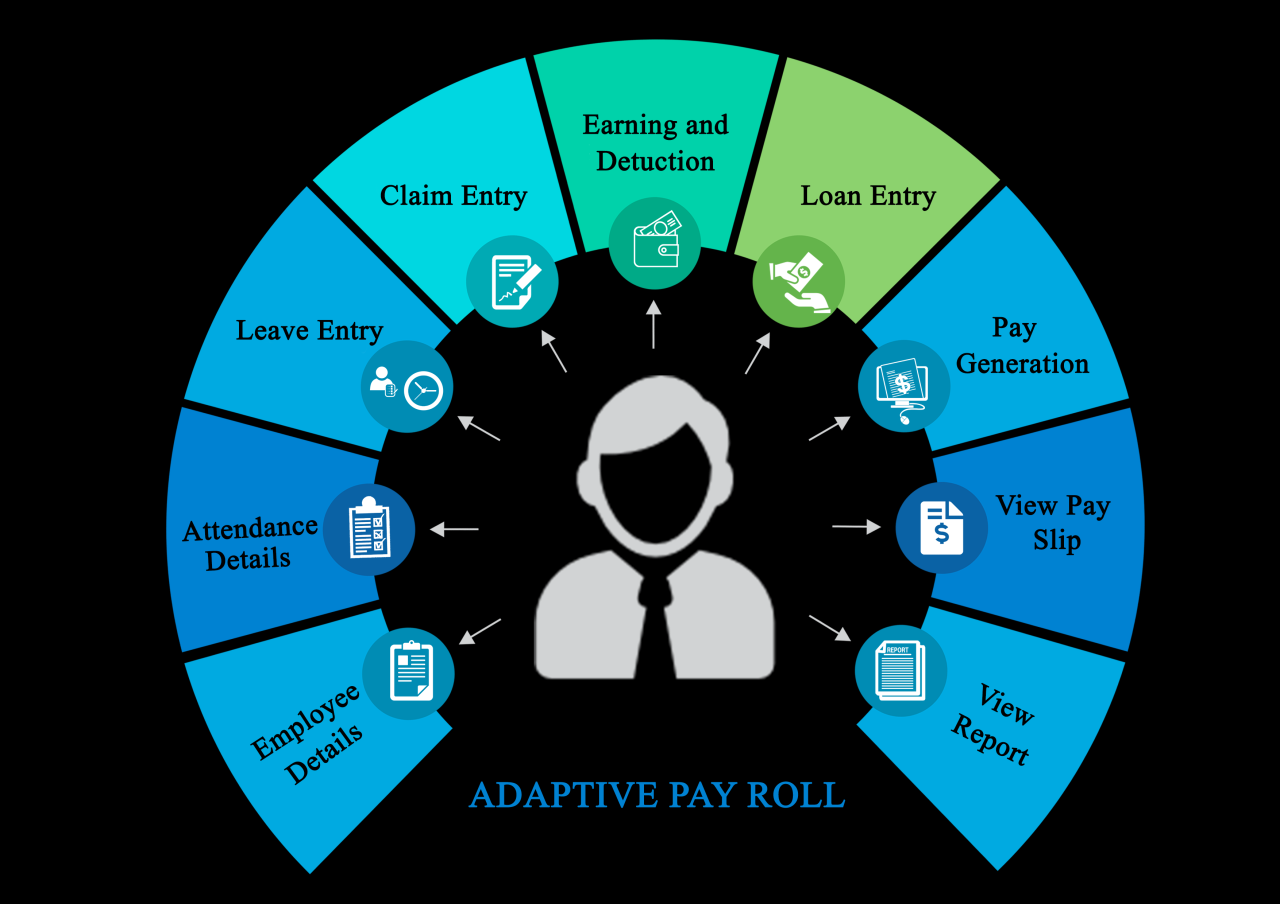
Payroll computer software is a digital tool designed to automate the payroll process, including calculations, tax deductions, and employee payments.
How does payroll software ensure compliance with tax regulations?
It regularly updates with the latest tax laws and regulations, ensuring accurate calculations and timely submissions of payroll taxes.
Can payroll software integrate with other business systems?
Yes, many payroll software solutions can integrate with accounting, HR, and other business management systems for seamless data flow.
Is payroll computer software secure?
Most payroll software includes robust security measures such as encryption and secure access to protect sensitive employee information.
What are the common pricing models for payroll software?
Pricing can vary from subscription-based models to one-time purchases, often depending on the number of employees and features needed.