Kicking off with data security in cloud computing, this topic has become increasingly crucial as businesses and individuals rely more on cloud services to store sensitive information. The ease of access and flexibility offered by cloud solutions comes with the responsibility to protect that data from unauthorized access and breaches. Understanding the landscape of data security in the cloud helps organizations implement effective measures to safeguard their assets.
With the rise in cyber threats, the importance of employing robust security protocols cannot be overstated. This includes encryption, identity management, and regular security assessments to ensure that data remains confidential and secure in the cloud environment. Let’s explore the various aspects of data security in cloud computing and what it means for users today.
In today’s fast-paced and ever-evolving work environment, technical skills alone are no longer sufficient for success. Emotional intelligence (EI) has emerged as a vital component for both individual and organizational effectiveness. Understanding and managing our own emotions, as well as the emotions of others, can significantly enhance workplace relationships, improve teamwork, and foster a more productive atmosphere.
What is Emotional Intelligence?
Emotional intelligence refers to the ability to recognize, understand, and manage our own emotions while also being able to recognize, understand, and influence the emotions of others. Daniel Goleman, a key figure in the field of EI, identifies five main components: self-awareness, self-regulation, motivation, empathy, and social skills. These components work together to help individuals navigate social complexities and make personal decisions that achieve positive results.
Self-Awareness: The Foundation of Emotional Intelligence
Self-awareness is the ability to recognize and understand one’s own emotions, strengths, weaknesses, values, and drives. In the workplace, this means being aware of how your emotions affect your thoughts and behavior. Individuals with high self-awareness are able to keep their emotions in check and are more open to feedback. This creates an atmosphere of trust and respect, where colleagues feel valued and understood.
Self-Regulation: Keeping Emotions in Check
Self-regulation involves managing one’s emotions in healthy ways, controlling impulses, and adapting to changing circumstances. It is about being able to think before acting, especially in stressful situations. When employees practice self-regulation, they can handle conflict more effectively and maintain a calm demeanor, which can help to diffuse tense situations. This is particularly important in leadership roles, where maintaining composure can influence the entire team’s morale and performance.
Motivation: The Drive to Succeed
Motivation in the context of emotional intelligence refers to the intrinsic drive to pursue goals for personal reasons beyond just external rewards. Individuals with high emotional intelligence are often more motivated, resilient, and optimistic. This internal motivation translates into a passion for their work, encouraging them to seek out challenges and persist in the face of obstacles. In turn, this creates a more dynamic and innovative workplace culture.
Empathy: Understanding Others
Empathy is the ability to understand and share the feelings of others. It involves recognizing colleagues’ emotional states and responding appropriately. In a diverse workplace, empathy is crucial for fostering inclusion and cooperation. When leaders demonstrate empathy, they build strong relationships with their teams, leading to increased loyalty and collaboration. Empathetic leaders are often seen as approachable, encouraging open communication and trust among team members.
Social Skills: Building Strong Relationships
Social skills encompass a range of abilities that help individuals interact effectively with others. This includes communication, conflict resolution, teamwork, and building rapport. Strong social skills enable employees to navigate complex social networks, fostering collaboration and creativity. In a workplace where social skills are prioritized, teams are more likely to work together harmoniously and achieve shared goals.
The Benefits of Emotional Intelligence in the Workplace
Investing in emotional intelligence training can yield substantial benefits for organizations. Companies that prioritize emotional intelligence often see increased employee engagement, lower turnover rates, and improved performance. Employees with high EI can manage stress more effectively, leading to better mental health and job satisfaction. Furthermore, emotionally intelligent teams are more adaptable to change, capable of navigating challenges with resilience.

Enhancing Emotional Intelligence
Enhancing emotional intelligence is a continuous process that involves self-reflection and practice. Here are some strategies to help improve emotional intelligence:
- Practice mindfulness: Engage in mindfulness exercises to become more aware of your thoughts and feelings.
- Seek feedback: Ask colleagues for constructive feedback on your emotional responses and interactions.
- Develop empathy: Make a conscious effort to understand others’ perspectives and feelings.
- Improve communication skills: Work on articulating your thoughts clearly and listening actively.
- Reflect on interactions: After meetings or discussions, take time to reflect on how emotions played a role in the interaction.
Conclusion
In conclusion, emotional intelligence is a critical skill set that enhances not only individual performance but also the overall health of an organization. By fostering self-awareness, self-regulation, motivation, empathy, and social skills, employees can create a more positive and productive work environment. As businesses continue to recognize the value of emotional intelligence, it is essential for individuals to cultivate these skills for personal growth and professional success.
Investing in emotional intelligence is not just beneficial; it is necessary for thriving in the modern workplace.

Answers to Common Questions
What is data security in cloud computing?
Data security in cloud computing refers to the protective measures and protocols implemented to safeguard sensitive data stored in cloud environments from unauthorized access and breaches.
Why is data security important in the cloud?
Data security is crucial in the cloud because it helps protect sensitive information from cyber threats, ensuring compliance with regulations and maintaining customer trust.
How can I enhance data security in my cloud services?
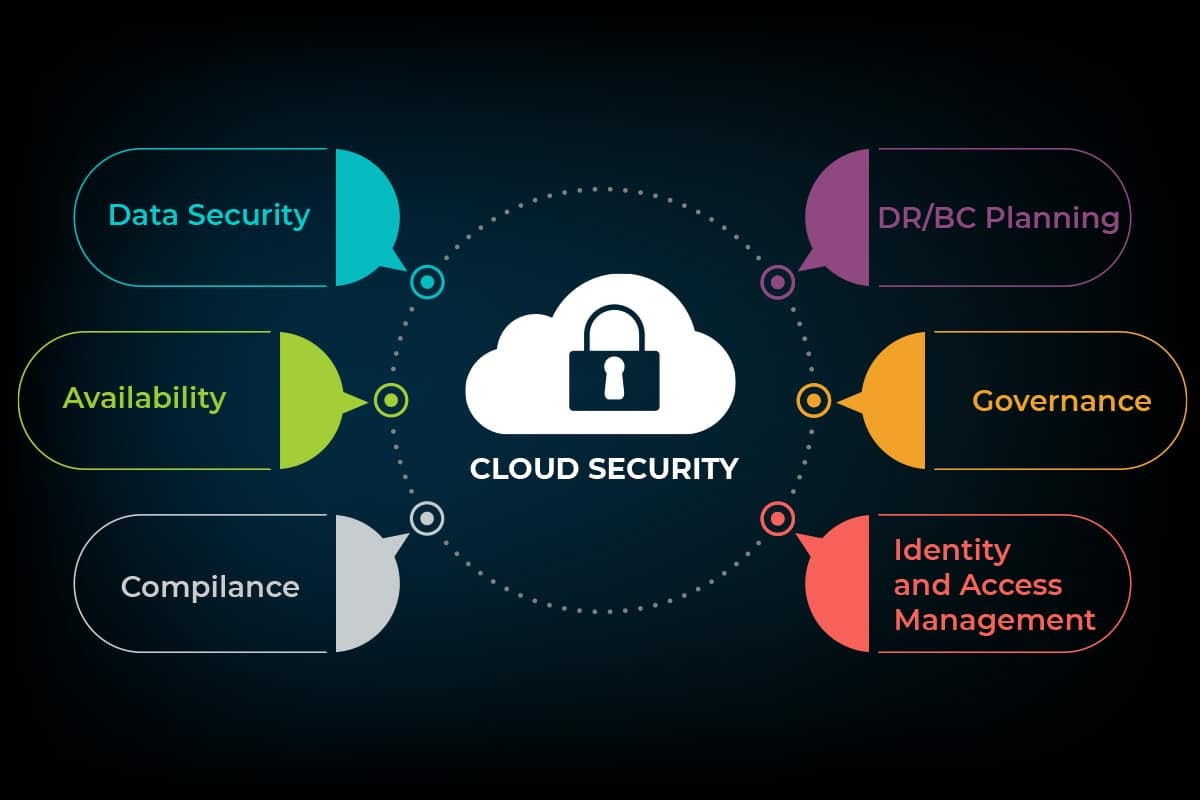
You can enhance data security by implementing encryption, using strong access controls, regularly updating software, and conducting security assessments.
What are common risks associated with cloud data security?
Common risks include data breaches, account hijacking, insecure APIs, and insufficient data deletion practices.
Is cloud data security compliant with regulations?
Many cloud providers offer compliance with industry regulations, but it’s essential for users to verify and ensure their cloud services meet specific regulatory requirements relevant to their sector.