Computer reservation systems are essential tools that have revolutionized the way we book travel. They streamline the process, making it easier for both consumers and service providers to manage reservations efficiently. With their ability to integrate various services, from flights to hotels, these systems offer a seamless experience that caters to the diverse needs of travelers worldwide.

Understanding how these systems work can greatly enhance your travel planning process. They not only save time but also provide access to real-time information, helping travelers make informed decisions while ensuring a smoother journey.
In our rapidly evolving digital age, the concept of literacy has expanded far beyond the traditional understanding of reading and writing. Digital literacy, which encompasses the skills needed to navigate, evaluate, and create information using digital technologies, has become a crucial component of education and personal development. As we increasingly rely on technology for communication, learning, and work, being digitally literate is essential for individuals to thrive in both personal and professional environments.
Understanding Digital Literacy
Digital literacy is not just about knowing how to use a computer or smartphone; it involves a comprehensive set of abilities that allow individuals to engage with digital tools effectively. This includes the ability to locate information online, assess its credibility, understand privacy and security issues, and utilize various digital platforms to communicate and collaborate with others. In essence, digital literacy empowers people to become active participants in the digital world rather than passive consumers of information.
The Components of Digital Literacy
There are several key components that make up digital literacy. Each of these elements plays a vital role in ensuring that individuals can navigate the complexities of the digital landscape:
- Information Literacy: The ability to identify, locate, evaluate, and effectively use information from various digital sources. This skill is crucial for academic success and informed decision-making.
- Communication Skills: Proficiency in using digital tools to communicate effectively with others. This includes understanding how to craft messages, use appropriate digital platforms, and engage in online discussions.
- Technical Skills: Familiarity with various software applications, hardware devices, and online tools. Technical skills enable individuals to perform tasks efficiently and troubleshoot common issues.
- Media Literacy: The ability to critically evaluate media content and understand its influence on society. This includes recognizing biases, understanding advertising strategies, and discerning fact from fiction.
- Digital Citizenship: The understanding of how to behave responsibly and ethically in the digital space. This includes respecting others’ privacy, understanding copyright laws, and practicing safe online behavior.
Why Digital Literacy Matters
In today’s job market, employers increasingly seek candidates who possess strong digital skills. Many industries have undergone significant transformations due to technological advancements, making digital literacy a prerequisite for success. Here are a few reasons why digital literacy is vital:
- Career Opportunities: Many jobs now require a basic understanding of digital tools and platforms. Being digitally literate can enhance employability and open doors to new career opportunities.
- Access to Information: Digital literacy equips individuals with the skills to access a wealth of information online. This capability is essential for lifelong learning and staying informed about current events, trends, and developments in various fields.
- Enhanced Communication: With the rise of remote work and virtual collaboration, effective digital communication has become more important than ever. Digital literacy allows individuals to connect with colleagues and clients across the globe, fostering better relationships and teamwork.
- Critical Thinking and Problem Solving: The ability to evaluate information and solve problems using digital tools enhances critical thinking skills. Digital literacy encourages individuals to analyze situations, make informed decisions, and approach challenges creatively.
Building Digital Literacy Skills
Fortunately, digital literacy is a skill set that can be developed over time. Here are several strategies to enhance digital literacy:
- Take Online Courses: Many platforms offer free or low-cost courses designed to improve digital skills. Websites like Coursera, Udemy, and edX provide a wealth of resources on various topics, from basic computer skills to advanced data analysis.
- Engage in Practice: The best way to improve digital skills is through practice. Individuals should explore different software applications, join online communities, and engage with digital tools regularly.
- Stay Informed: Keeping up with the latest technological trends and developments is crucial for maintaining digital literacy. Reading blogs, following industry leaders on social media, and attending webinars can help individuals stay current.
- Participate in Workshops: Many organizations and libraries offer workshops aimed at improving digital skills. These hands-on sessions provide valuable opportunities to learn from experts and ask questions.
- Collaborate with Others: Learning from peers can be incredibly beneficial. Engaging in group projects or discussions can help individuals gain different perspectives and learn new skills.
The Role of Education in Promoting Digital Literacy
Schools and educational institutions play a pivotal role in fostering digital literacy among students. By integrating digital literacy into the curriculum, educators can equip students with the necessary skills to navigate the digital world effectively. This can be achieved through:
- Integrating Technology in Learning: Utilizing digital tools in the classroom encourages students to become familiar with technology while enhancing their learning experience.
- Teaching Critical Evaluation Skills: Educators should emphasize the importance of evaluating online sources and understanding media bias. This helps students develop a discerning eye when it comes to information.
- Encouraging Collaboration: Collaborative projects that leverage digital tools can enhance students’ communication skills and promote teamwork.
- Providing Resources for Parents: Educating parents about digital literacy and its significance can create a supportive environment at home, reinforcing the skills learned in school.
Conclusion
As we continue to navigate the complexities of the digital age, the importance of digital literacy cannot be overstated. It is a fundamental skill set that empowers individuals to engage meaningfully with technology, communicate effectively, and contribute to society. By prioritizing digital literacy in education and personal development, we can ensure that everyone has the tools they need to succeed in an increasingly digital world.
Frequently Asked Questions
What is a computer reservation system?
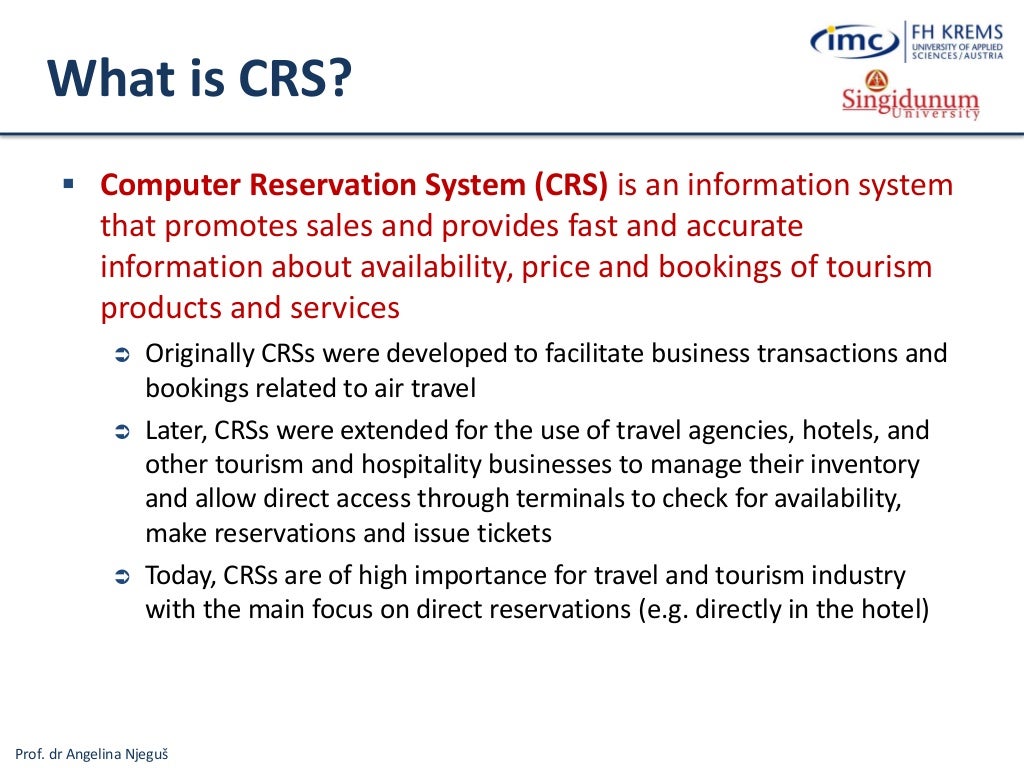
A computer reservation system (CRS) is a tool that allows users to book travel services online, such as flights and accommodations, while managing and storing customer data.
How do computer reservation systems benefit travel agencies?
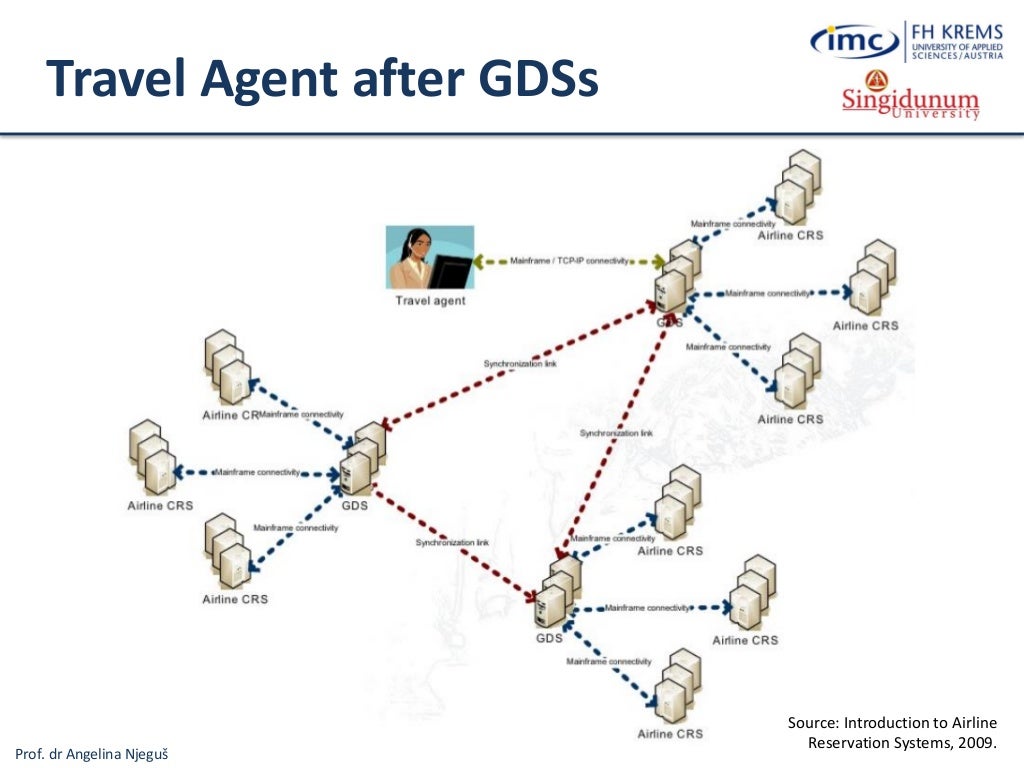
They streamline operations, reduce errors, and provide access to a wider range of inventory, allowing agencies to serve customers more effectively.
Can computer reservation systems be integrated with other platforms?
Yes, many CRS can integrate with various travel platforms and tools, enhancing their functionality and allowing for a more comprehensive service offering.
What are examples of popular computer reservation systems?
Popular examples include Amadeus, Sabre, and Galileo, each offering different features tailored to specific user needs.
Are computer reservation systems user-friendly?
Most modern CRS are designed with user-friendly interfaces to facilitate easy navigation and efficient booking processes for both agents and consumers.