Kicking off with chase business cards, in today’s fast-paced world, having the right business card can set you apart in any networking scenario. These small rectangles of paper can carry your professional identity and serve as a memorable introduction. They embody who you are and what you represent, making their design and content crucial to making a lasting impression.
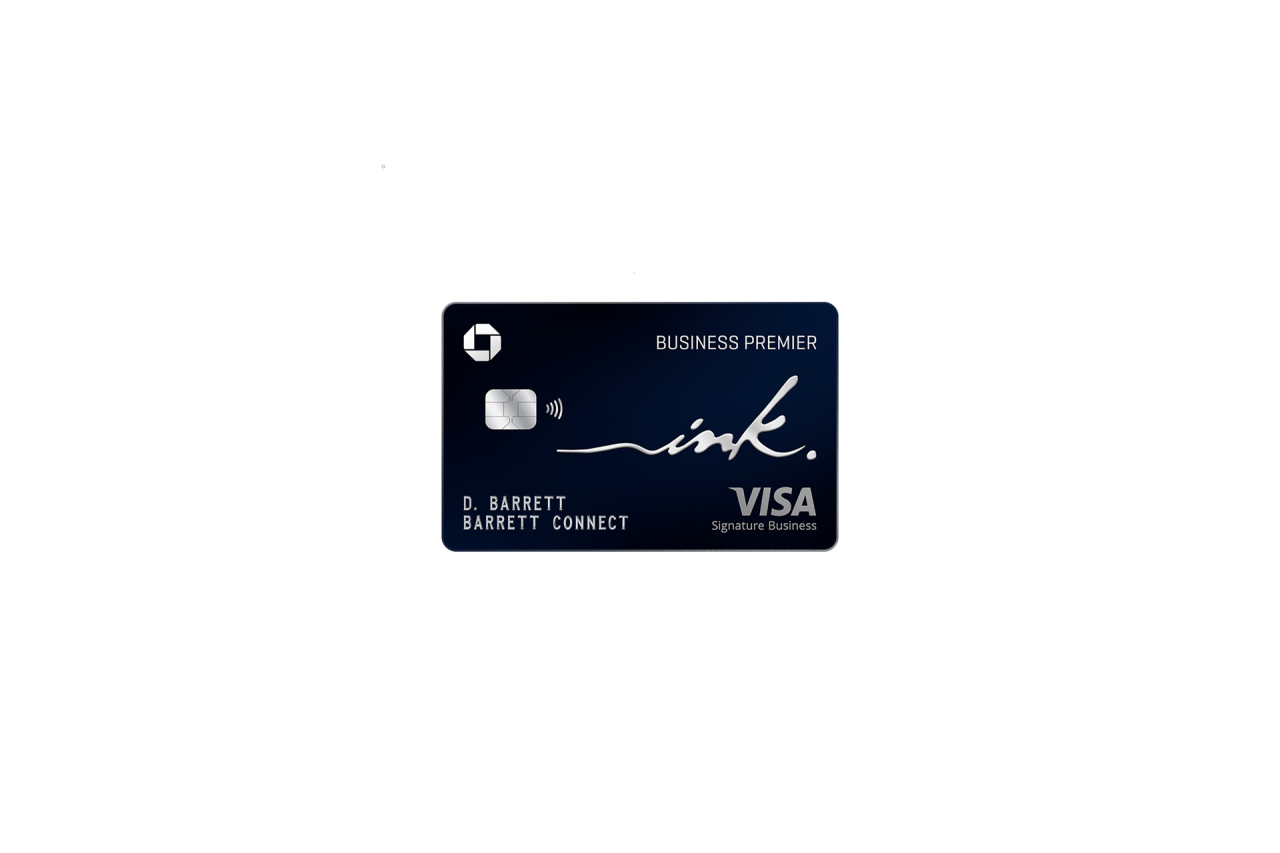
From their significance in creating personal connections to their role in representing your brand, chase business cards are essential tools in professional communication. With a variety of designs and formats available, understanding how to utilize them effectively can dramatically enhance your networking experience and help you forge valuable relationships.

In today’s fast-paced world, the notion of “work-life balance” has become increasingly significant. As we dive into a digital age where the lines between our personal and professional lives blur, understanding how to achieve a harmonious balance becomes crucial. This article explores the importance of work-life balance, its impact on our well-being, and practical strategies to attain it.
Work-life balance refers to the equilibrium between time allocated for work and the time spent on personal life. It’s not just about managing time but also about prioritizing what truly matters to us. The modern work environment often demands more than the standard eight hours; with advancements in technology, employees find themselves checking emails and engaging in work-related tasks after hours. This constant connectivity can lead to burnout, stress, and a decline in overall happiness.
The significance of a healthy work-life balance cannot be overstated. Numerous studies indicate that employees who successfully manage their work and personal lives are generally happier, more productive, and less prone to chronic stress. They tend to have better relationships, improved health, and a greater sense of overall satisfaction. Conversely, an imbalance can lead to negative outcomes, including decreased productivity, mental health issues, and strained relationships.
To create a sustainable work-life balance, it’s essential to implement practical strategies. Here are some actionable tips to help you find that equilibrium:
1. Set Clear Boundaries: One of the first steps in achieving a work-life balance is to establish boundaries. Communicate your working hours to your colleagues and supervisors, and strive to adhere to them. If your work requires flexibility, try to dedicate specific time blocks for work and personal activities.
2. Prioritize Tasks: Not everything on your to-do list is of equal importance. Assess your tasks and prioritize them according to urgency and significance. Utilizing techniques like the Eisenhower Box can help you discern what is important versus what is merely urgent, allowing for better time management.
3. Embrace Technology Wisely: While technology can enhance productivity, it can also be a double-edged sword. Use tools that help you streamline your work instead of distractions that pull you away from your personal life. For instance, project management tools can keep you organized without needing to check emails constantly.
4. Practice the Art of Saying No: It’s easy to overcommit, especially when we want to please others or prove our capabilities. However, learning to say no is essential for maintaining a balanced life. Evaluate new commitments carefully and don’t hesitate to decline if they jeopardize your well-being.
5. Schedule Personal Time: Just as you would block off time for important meetings, make it a point to schedule personal activities. This could be time for exercise, hobbies, or simply unwinding at home. By treating personal time as non-negotiable, you reinforce its importance in your life.
6. Take Regular Breaks: Continuous work without breaks can lead to diminishing returns. Short, regular breaks can refresh your mind and enhance productivity. Techniques like the Pomodoro Technique encourage focused work sessions followed by brief breaks, enabling sustained concentration.
7. Seek Support: Don’t hesitate to reach out for help if you’re feeling overwhelmed. Engaging with colleagues, friends, or family members can provide the support you need. Sometimes, simply talking about your challenges can help you gain perspective and find solutions.
8. Reflect and Adjust: Achieving work-life balance is an ongoing process. Regularly reflect on your current arrangement and assess what’s working and what isn’t. Be open to making adjustments as your personal and professional life evolves.
9. Engage in Physical Activity: Regular exercise is not only beneficial for your physical health but also for your mental well-being. Physical activity can reduce stress, boost your mood, and increase energy levels. Find a physical activity you enjoy, whether it’s yoga, running, or dancing, and incorporate it into your routine.
10. Practice Mindfulness: Mindfulness involves being present and fully engaged in the current moment. Techniques such as meditation or deep-breathing exercises can significantly reduce stress and enhance focus. Taking time to practice mindfulness can also help you appreciate your personal time more fully.
In conclusion, achieving a work-life balance is a vital aspect of maintaining overall well-being in our increasingly demanding world. While the journey may require effort and conscious choices, the rewards are well worth it. By setting boundaries, prioritizing tasks, and making time for personal activities, you can create a life that fosters both professional success and personal fulfillment. Remember, a balanced life is not only about managing your time effectively but also about nurturing your physical, mental, and emotional health. As you embark on this journey, keep in mind that achieving work-life balance is a personal endeavor, and it’s essential to find what works best for you.