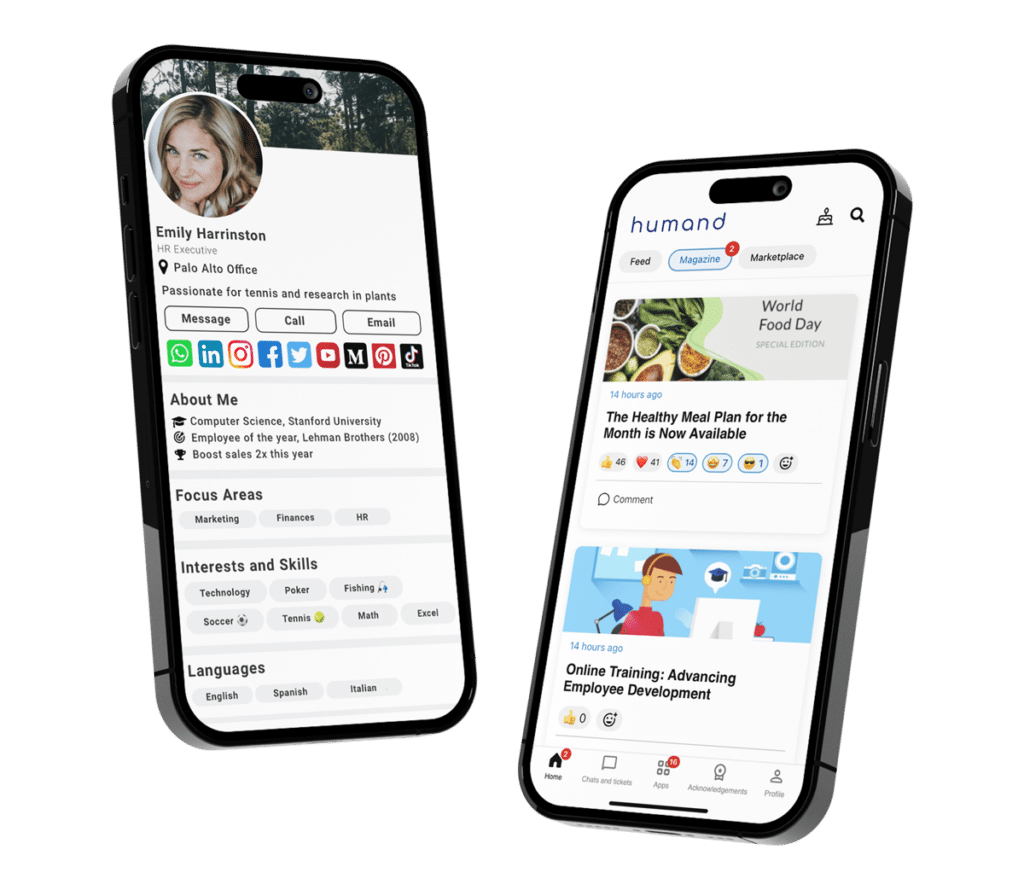
Starting off with internal communication app, this tool has become essential in today’s fast-paced work environment, allowing teams to collaborate effectively regardless of their physical location. With the rise of remote work and global teams, the significance of efficient communication cannot be overstated, as it plays a crucial role in enhancing productivity and building a cohesive team culture.
By utilizing an internal communication app, organizations can streamline their communication channels, ensuring that messages are delivered promptly and efficiently. These apps often come with a variety of features such as instant messaging, file sharing, and video conferencing, making it easier for teams to stay connected and informed.
In today’s fast-paced world, technology is no longer just a tool; it’s an integral part of our daily lives. From the moment we wake up to the time we go to bed, technology influences our routines, choices, and interactions. This article delves into the various ways technology is transforming our lives, reshaping industries, and altering social dynamics.
The Rise of Communication Technology
Gone are the days when sending a message meant waiting for days or even weeks for a response. With the advent of smartphones and instant messaging apps, communication has become instantaneous. Family members can share moments, friends can organize events, and businesses can connect with clients across the globe—all at the touch of a button.
Social media platforms like Facebook, Twitter, and Instagram have further revolutionized how we interact. They allow us to maintain relationships, share our thoughts, and stay updated on current events. However, this digital connectivity comes with its challenges, such as the ever-present issue of privacy, online harassment, and the struggle to disconnect in an always-on culture.

Impact on Education
Education has also undergone a significant transformation thanks to technology. Traditional classrooms are evolving into interactive learning environments where students can access a wealth of information from anywhere in the world. Online courses, webinars, and educational apps have made learning more accessible than ever before.
Moreover, technology in education encourages collaboration among students and teachers. Tools like Google Classroom and various online forums facilitate communication and resource sharing, fostering a sense of community even in virtual spaces. However, the digital divide remains a pressing issue, as not all students have equal access to technology, which can hinder their educational opportunities.
Healthcare Innovations
The healthcare industry has seen remarkable advancements due to technology. Telemedicine has become increasingly popular, allowing patients to consult with healthcare professionals from the comfort of their homes. This is especially crucial for those in remote areas where access to medical facilities is limited.
Furthermore, wearable devices and health apps enable individuals to monitor their health metrics, such as heart rate and activity levels, promoting a proactive approach to personal health. Innovations in medical technology, including robotic surgeries and AI diagnostics, are enhancing treatment options and improving patient outcomes.
Workplace Transformation
Technology has redefined the modern workplace. Remote work, once a rarity, has become commonplace, thanks to tools like Zoom, Slack, and Trello. This shift has allowed companies to tap into a global talent pool while providing employees with flexible work options.
However, this transition comes with its challenges, such as maintaining work-life balance and preventing burnout. Companies must adapt their cultures to prioritize employee well-being, even in a digital environment. Embracing technology in the workplace also means investing in cybersecurity measures to protect sensitive information from potential threats.
Environmental Considerations
As technology continues to evolve, it also plays a critical role in addressing environmental issues. Innovations in renewable energy, such as solar and wind power, are becoming more efficient and accessible. Smart technologies in homes and cities are helping reduce energy consumption and waste.
Moreover, advancements in agricultural technologies, including precision farming and genetically modified organisms (GMOs), are enabling farmers to produce more food with fewer resources. However, the environmental impact of technology is a double-edged sword, as the production and disposal of electronic devices contribute to pollution and resource depletion.
Future Trends: The Possibilities are Endless
As we look ahead, the potential for technology to transform our lives is limitless. Concepts like artificial intelligence (AI), virtual reality (VR), and blockchain are poised to reshape various sectors. AI has already begun to revolutionize industries, from automating mundane tasks to providing insights that drive decision-making.
Virtual reality is transforming fields such as gaming, entertainment, and training by offering immersive experiences that were once unimaginable. Blockchain technology promises enhanced security and transparency in transactions, which could change the landscape of finance and supply chain management.
Conclusion: Navigating the Technological Landscape
In summary, technology is a double-edged sword that offers both opportunities and challenges. As we navigate this rapidly changing landscape, it’s essential to strike a balance between embracing innovation and addressing the associated risks. We must also remain vigilant in ensuring that technology is accessible to all, fostering inclusivity and equity.
As we continue to adapt to these changes, let us harness the power of technology to create a better, more connected world, while being mindful of its impact on our lives and the environment.
Helpful Answers
What is an internal communication app?

An internal communication app is a software designed to facilitate communication and collaboration within an organization.
How does an internal communication app improve teamwork?
It centralizes communication, making it easier for team members to share information and updates in real-time.
Are internal communication apps secure?
Yes, most internal communication apps prioritize security with encryption and compliance with data protection regulations.
Can internal communication apps integrate with other tools?
Many internal communication apps offer integration capabilities with other software like project management tools and calendars.
What are the costs associated with internal communication apps?
Costs can vary widely based on features, user count, and whether the app is cloud-based or on-premises.