mcdonald’s app refund sets the stage for this enthralling narrative, offering readers a glimpse into a story that is rich in detail. In today’s fast-paced world, the ability to quickly resolve issues like refunds is crucial, especially when it comes to handy apps like McDonald’s. This guide dives into the ins and outs of obtaining a refund through the app, ensuring that every customer knows their rights and the steps involved in the process.
From understanding the reasons for refunds to navigating the app’s interface, we will explore how McDonald’s provides a seamless experience for its users. With the increasing reliance on mobile technology for ordering food, knowing how to manage your transactions effectively is more important than ever.
In the fast-paced and often high-stress environment of the modern workplace, emotional intelligence (EI) has emerged as a critical factor for success. While traditional measures of intelligence such as IQ have long been valued, the ability to understand and manage emotions—both one’s own and those of others—has proven to be equally, if not more, essential. This article will explore the concept of emotional intelligence, its components, and its significant impact on workplace dynamics and productivity.
What is Emotional Intelligence?
Emotional intelligence refers to the capability to recognize, understand, and manage our own emotions as well as the emotions of others. It encompasses five key components:
- Self-awareness: The ability to recognize and understand your own emotions and their effect on your thoughts and behavior.
- Self-regulation: The ability to manage your emotions in healthy ways, control impulsive feelings and behaviors, and adapt to changing circumstances.
- Motivation: A passion to work for reasons beyond money or status, driven by a desire to achieve for the sake of accomplishment.
- Empathy: The ability to understand the emotional makeup of other people and treat them according to their emotional reactions.
- Social skills: Proficiency in managing relationships and building networks, as well as an ability to find common ground and build rapport.
The Role of Emotional Intelligence in the Workplace
In today’s work environment, emotional intelligence is crucial for various reasons:
1. Enhancing Communication
Effective communication is the cornerstone of any successful workplace. Employees who possess high emotional intelligence can articulate their thoughts and feelings clearly and also interpret the emotions of others. This ability allows for more productive discussions, reduces misunderstandings, and fosters a collaborative atmosphere.
2. Conflict Resolution
Conflicts are inevitable in any organization. However, individuals with strong emotional intelligence can navigate these conflicts with greater ease. They can empathize with differing viewpoints, remain calm under pressure, and work towards a resolution that satisfies all parties involved. This skill not only enhances team dynamics but also contributes to overall organizational health.

3. Leadership Development
Great leaders are not only knowledgeable but also emotionally intelligent. Leaders who understand their own emotions and can empathize with their team members are better equipped to inspire, motivate, and guide their teams. They create an environment where employees feel valued and understood, boosting morale and productivity.
4. Employee Engagement and Retention
Employees who feel emotionally supported in their work environment are more likely to be engaged and satisfied with their jobs. High emotional intelligence among leaders and peers fosters a culture of appreciation and encouragement, which can significantly reduce turnover rates. When employees feel a strong connection to their workplace, they are less likely to seek opportunities elsewhere.
5. Stress Management
Workplace stress is a common issue that can lead to burnout and decreased productivity. Those with high emotional intelligence are better equipped to cope with stress as they can recognize their emotional triggers and employ appropriate strategies for self-regulation. They are also more likely to support their colleagues in managing stress, creating a healthier work environment overall.
Developing Emotional Intelligence
While some individuals may naturally possess a higher degree of emotional intelligence, it is also a skill that can be developed over time. Here are some practical ways to enhance your emotional intelligence:
1. Practice Self-Reflection
Set aside time to reflect on your emotions and how they affect your behavior. Journaling can be an effective way to explore your feelings and identify patterns in your emotional responses.
2. Seek Feedback
Encourage colleagues or mentors to provide feedback on your emotional responses and interactions. Constructive criticism can help you gain insight into areas for improvement.
3. Develop Active Listening Skills
Practice active listening by focusing entirely on the speaker, asking clarifying questions, and confirming your understanding. This skill not only enhances communication but also fosters empathy.
4. Manage Stress
Incorporate stress management techniques into your daily routine. Mindfulness, meditation, and physical activity are effective ways to reduce stress and improve emotional regulation.
5. Engage in Empathy Exercises
Work on understanding others’ perspectives by engaging in empathy exercises. This could involve role-playing scenarios or simply making an effort to put yourself in someone else’s shoes during discussions.
Conclusion
Emotional intelligence is not just a buzzword; it’s a vital skill for personal and professional success in today’s workplace. By recognizing the importance of EI and committing to its development, individuals can enhance their relationships, improve their leadership abilities, and contribute to a positive work environment. As we continue to navigate the complexities of modern work, fostering emotional intelligence will remain key to achieving not only personal fulfillment but also collective organizational success.
Q&A
How can I request a refund through the app?
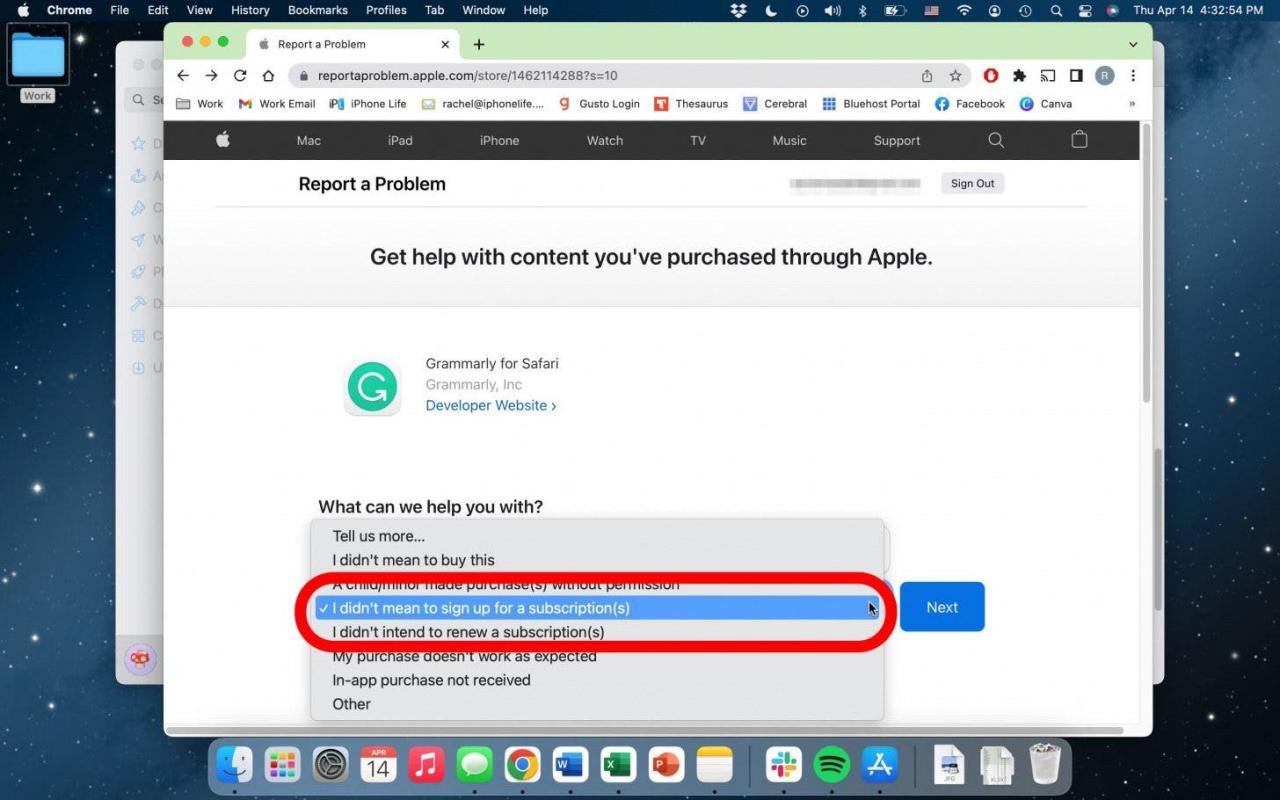
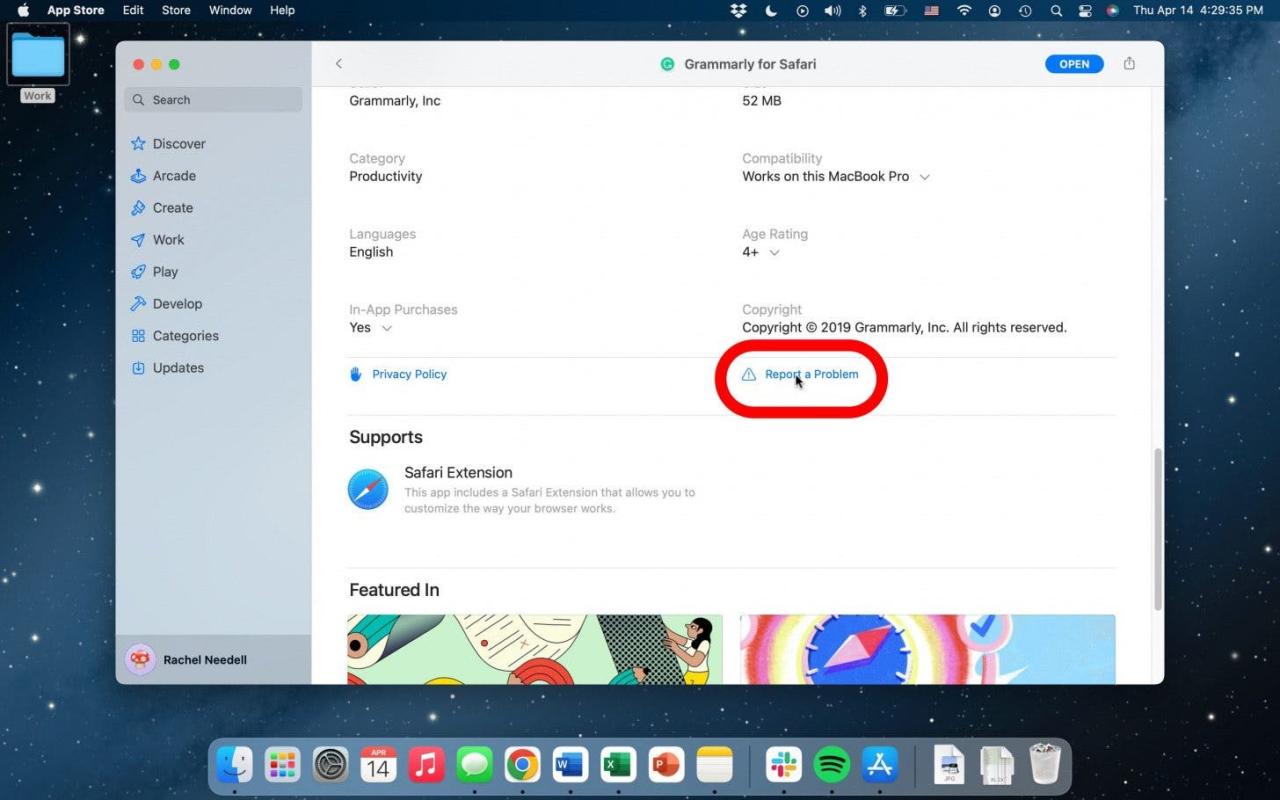
You can request a refund by navigating to your order history in the app, selecting the order you wish to refund, and following the prompts.
What are common reasons for refunds?
Common reasons include incorrect orders, items missing from your order, or issues with food quality.
How long does it take to process a refund?
Refunds typically take 3-5 business days to process depending on your bank and payment method.
Can I get a refund for an order placed in-store?
Refunds for in-store purchases generally need to be handled at the restaurant directly; app refunds are specific to app transactions.
What if my refund request is denied?
If your refund request is denied, you can reach out to McDonald’s customer service for further assistance and to discuss your concerns.