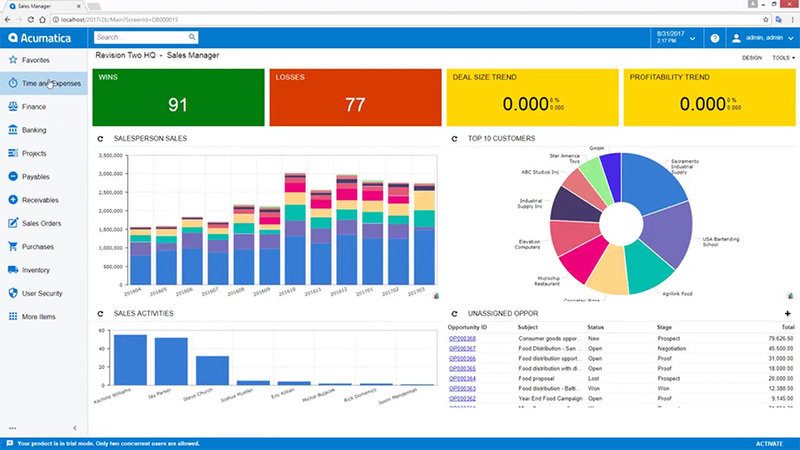
As acumatica accounting software takes center stage, this opening passage beckons readers into a world crafted with good knowledge, ensuring a reading experience that is both absorbing and distinctly original.
This software is designed to transform the way businesses manage their finances by providing an intuitive platform that integrates various accounting functions. From handling invoices to managing payroll, acumatica accounting software offers solutions that cater to the diverse needs of modern enterprises, making it an essential tool in today’s fast-paced business environment.

In today’s fast-paced digital world, where information is just a click away, having a solid grasp of technology is more essential than ever. The rapid evolution of technology has transformed the way we communicate, work, and live our lives. From smartphones to social media, these advancements have reshaped our interactions and accessibility to information. But what does this mean for us, and how can we navigate this ever-changing landscape?First and foremost, let’s talk about the devices that have become ubiquitous in our daily lives.
Smartphones, for instance, have revolutionized the way we communicate. No longer are we confined to landlines or even traditional texting; now, we have instant messaging apps, video calls, and social media platforms at our fingertips. This accessibility has made it easier to stay in touch with loved ones, collaborate with colleagues, and even meet new friends from around the globe.
However, it also poses challenges, such as the need to maintain digital boundaries and manage screen time effectively.Moreover, the rise of social media has changed the dynamics of communication. Platforms like Facebook, Twitter, Instagram, and TikTok allow us to share our lives instantaneously and connect with a wider audience. While this can foster community and support, it can also lead to issues like misinformation, cyberbullying, and privacy concerns.
As users, we must navigate these challenges thoughtfully, understanding the potential impact of our online presence and interactions.Additionally, the workplace has seen a significant transformation due to technological advancements. Remote work has become increasingly common, allowing for flexibility and a better work-life balance. Tools like Zoom, Slack, and Asana have made it easier to collaborate with teams regardless of geographical location.
However, this shift also requires self-discipline and effective communication skills to ensure productivity and collaboration remain high.Education, too, has undergone a dramatic change thanks to technology. Online learning platforms have democratized access to education, allowing individuals from diverse backgrounds to learn new skills or complete degrees without the constraints of traditional classroom settings. This shift has the potential to empower many, but it also necessitates a new approach to teaching and learning, including the development of digital literacy skills.As we reap the benefits of these technological advancements, it’s crucial to remain aware of their implications.
Cybersecurity, for instance, has become a top concern for both individuals and organizations. With the increasing number of cyber attacks, understanding the importance of online safety and data protection is paramount. This includes utilizing strong passwords, being cautious of phishing scams, and regularly updating software to safeguard personal information.Furthermore, the impact of technology on mental health cannot be overlooked. While digital connectivity can bring about a sense of belonging, it can also lead to feelings of isolation or inadequacy.
The pressure to present a perfect life on social media can contribute to anxiety and depression, making it essential to approach these platforms mindfully. Taking breaks from social media, setting boundaries, and focusing on real-life connections can significantly improve mental well-being.In addition, the digital divide remains a critical issue. Access to technology and the internet is not uniform across the globe; many individuals still lack the necessary resources to participate fully in the digital age.
Bridging this gap is vital to ensure everyone has equal opportunities for education, employment, and social engagement.As we look to the future, the role of artificial intelligence (AI) and automation is becoming increasingly prevalent. While these technologies can enhance efficiency and productivity, they also raise questions about job displacement and ethical considerations. It’s essential for society to engage in discussions about the implications of AI and to develop policies that support workforce transition and skill development.Moreover, environmental considerations are becoming more prominent in our conversations about technology.
The production and disposal of electronic devices contribute to environmental degradation, prompting a need for sustainable practices. Emphasizing recycling, reducing e-waste, and supporting companies that prioritize sustainability can help mitigate these impacts.Lastly, we should embrace the notion of lifelong learning. The digital landscape is ever-evolving, and staying informed about the latest trends, tools, and best practices is crucial. Engaging in continuous education, whether through formal classes or self-directed learning, allows us to adapt and thrive in this rapidly changing world.In conclusion, technology has undeniably transformed our lives in myriad ways.
While it offers numerous benefits, it also presents challenges that require our attention. By navigating this landscape with awareness, we can harness the power of technology responsibly and thoughtfully, ensuring it enhances our lives rather than detracts from them. As we continue to embrace the digital age, let us strive for balance, prioritizing both our online and offline well-being while championing inclusivity and sustainability for all.