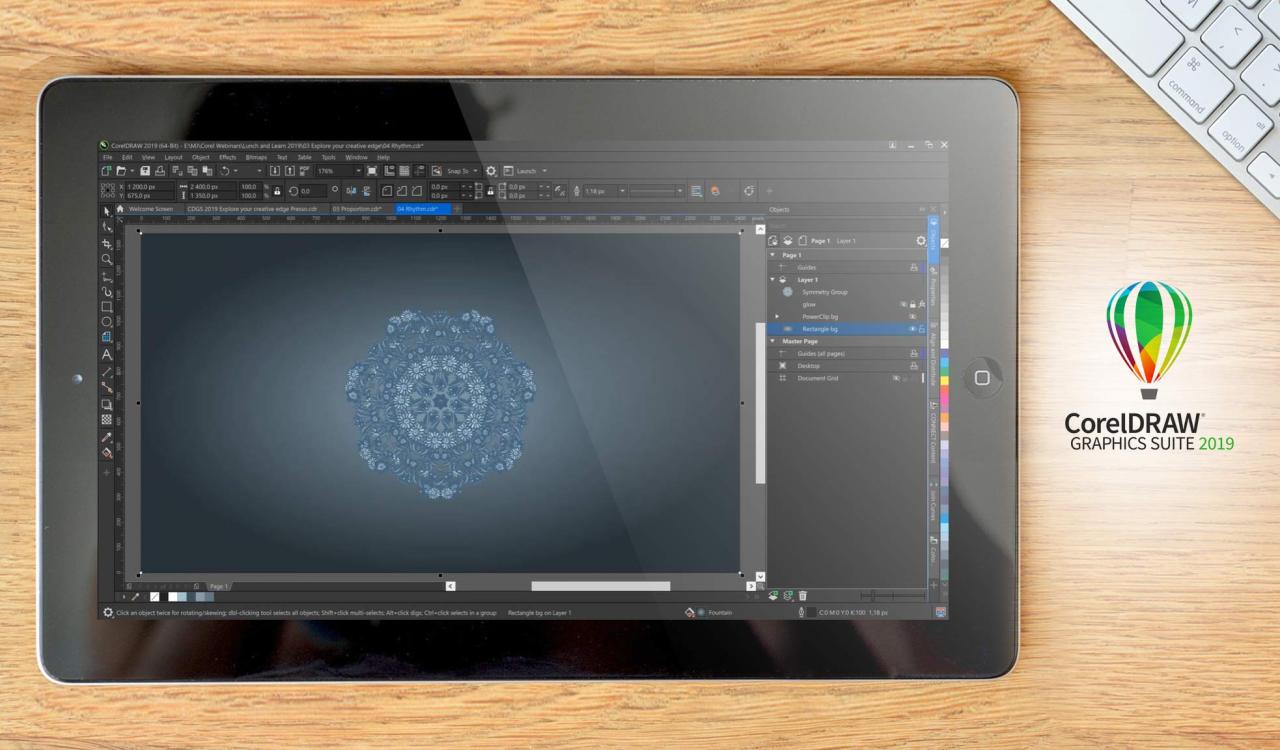
Kicking off with adobe software for drawing, this realm of creativity opens up a world where artists and designers can unleash their imagination using powerful digital tools. Whether you are sketching, painting, or creating intricate designs, Adobe offers an impressive suite of software tailored for every artistic need. From Adobe Illustrator to Photoshop, each program provides unique features that enable users to produce stunning visual artwork.
With an intuitive interface and a plethora of resources, Adobe software for drawing empowers both beginners and seasoned professionals to explore their artistic potential. The flexibility in tools and capabilities allows for seamless integration of traditional art styles with modern digital techniques, ensuring that your creative process is both enjoyable and productive.

In today’s fast-paced world, effective communication has become more vital than ever. With the rise of digital technologies, the way we interact with one another has transformed dramatically. Understanding the nuances of communication in this digital age is crucial for personal and professional success. This article explores the key aspects of effective communication, its challenges, and strategies to enhance your communication skills.
Understanding Communication
At its core, communication is the process of exchanging information, thoughts, and feelings between individuals. It can occur through various channels, including verbal, non-verbal, written, and digital means. Effective communication involves not only the clarity of the message being conveyed but also the ability to listen and interpret the responses of others accurately.
The Impact of Digital Communication
As technology continues to advance, digital communication has become a dominant form of interaction. Emails, instant messaging, social media, and video conferencing have revolutionized how we connect with others. While these platforms offer convenience and speed, they also present unique challenges.
Advantages of Digital Communication
- Accessibility: Digital communication allows individuals to connect from anywhere in the world, breaking geographical barriers.
- Speed: Messages can be sent and received almost instantaneously, facilitating quick decision-making.
- Record Keeping: Digital messages can be easily stored and referenced later, providing a clear record of conversations.
Challenges of Digital Communication
- Lack of Non-Verbal Cues: In face-to-face interactions, body language and facial expressions convey significant meaning. In digital communication, these cues are often absent, leading to misunderstandings.
- Information Overload: The sheer volume of messages received daily can be overwhelming, making it challenging to focus and prioritize.
- Misinterpretation: Without context, written messages can be easily misinterpreted, leading to confusion and conflict.
Strategies for Effective Digital Communication
To navigate the complexities of digital communication successfully, several strategies can be employed:
1. Be Clear and Concise
When crafting messages, aim for clarity and brevity. Avoid jargon and complex language that may confuse the recipient. A well-structured message will facilitate understanding and reduce the likelihood of miscommunication.
2. Use Appropriate Channels
Different communication channels serve different purposes. For instance, a quick question may be best suited for instant messaging, while more complex discussions might require a video call. Choose the right medium based on the message’s nature and urgency.
3. Active Listening
Listening is a crucial component of effective communication. In digital interactions, this means being fully present during conversations and giving your undivided attention. Acknowledge the other person’s points and respond thoughtfully to demonstrate engagement.
4. Seek Feedback
Encouraging feedback from others can provide insights into how your messages are perceived. This can help you refine your communication style and address any areas of misunderstanding. Don’t hesitate to ask for clarification if you’re unsure about someone’s response.
5. Maintain Professionalism
Regardless of the platform, maintaining a professional demeanor in your communication is essential. This includes being respectful, using appropriate language, and considering the tone of your messages. Remember that written communication can often be interpreted differently than intended.
Building a Communication-Friendly Culture
In a workplace setting, fostering a culture of open communication can significantly enhance team dynamics and productivity. Here are some ways to achieve this:
1. Encourage Openness
Promote an environment where team members feel comfortable expressing their thoughts and ideas. This can be achieved through regular check-ins, team meetings, and open-door policies.
2. Provide Communication Training
Offering training sessions focused on effective communication skills can empower team members to express themselves more clearly and confidently, ultimately benefiting the entire organization.
3. Leverage Technology
Utilizing collaboration tools and platforms can streamline communication within teams. Tools like Slack, Trello, or Microsoft Teams can enhance the flow of information and keep everyone on the same page.
Conclusion
Effective communication in the digital age is an essential skill that can significantly impact personal and professional relationships. By understanding the nuances of digital communication, recognizing its challenges, and employing strategic approaches, individuals can enhance their communication skills and foster meaningful connections. Embracing these principles will not only improve your interactions but also contribute to a more collaborative and productive environment.