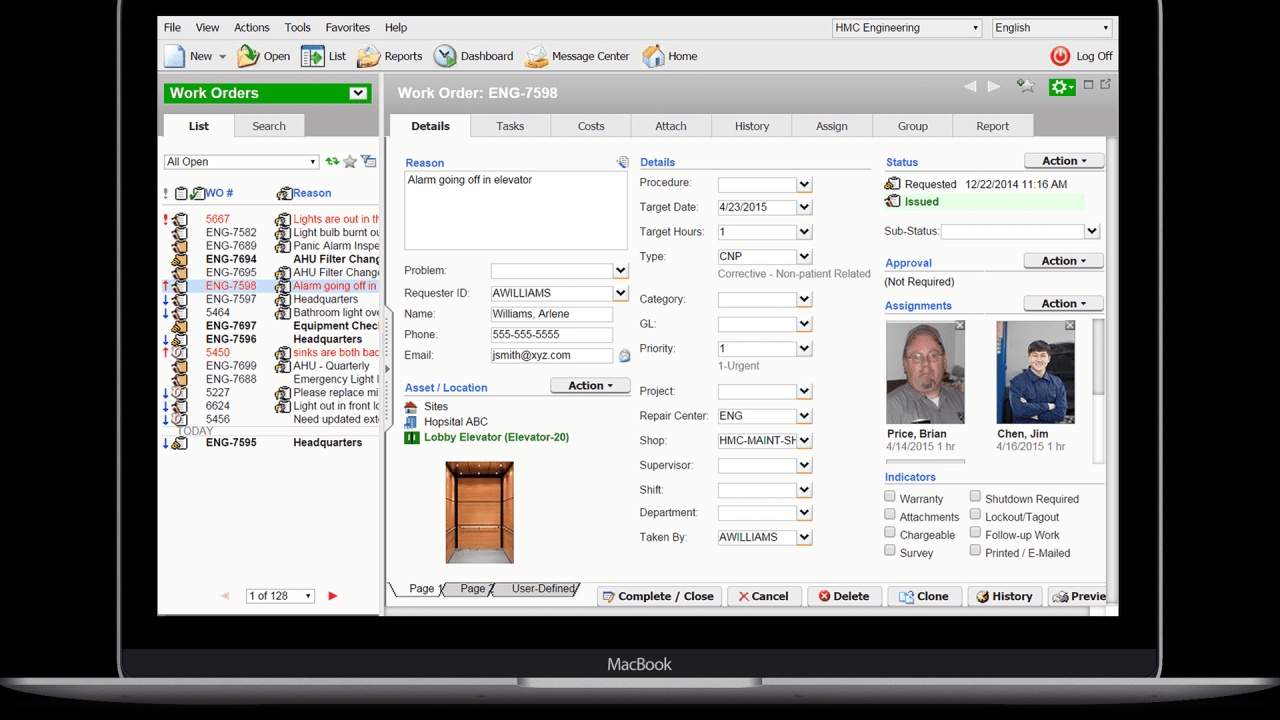
Work order software for maintenance has become an essential tool for organizations striving to optimize their operational processes. In a world where efficiency and timely service delivery are paramount, this software streamlines the management of maintenance tasks, ensuring that resources are allocated effectively. With its roots in traditional maintenance practices, the evolution of this software reflects the growing need for technological solutions in the maintenance sector, bridging the gap between manual processes and automation.
By integrating features that facilitate tracking, scheduling, and reporting, work order software enhances communication among team members and improves overall productivity. This article delves into the various advantages of implementing such software, highlighting its key functionalities that cater to diverse maintenance needs across industries.
Technology has been an integral part of human civilization, shaping the way we live, work, and interact with one another. From the invention of the wheel to the rise of the internet, each technological advancement has had profound effects on society. In this article, we will explore the evolution of technology, examining its historical context, its current state, and its potential future impacts.
Historical Overview
The journey of technology began thousands of years ago with basic tools and agricultural advancements. The Neolithic Revolution marked a significant turning point, as humans transitioned from nomadic hunter-gatherer societies to settled agricultural communities. This shift allowed for greater food production and the establishment of permanent settlements, paving the way for the rise of civilization.
As societies evolved, so did technology. The invention of writing systems around 3200 BC in Mesopotamia enabled the recording of information, which was crucial for administration and trade. The wheel, developed around the same time, revolutionized transportation and commerce. Fast forward to the Industrial Revolution in the 18th century, and we see a dramatic acceleration in technological progress. Innovations such as the steam engine and spinning jenny transformed industries and reshaped economies.
The Digital Revolution
The late 20th century ushered in the Digital Revolution, characterized by the rise of computers and the internet. Personal computers became widely accessible, fundamentally changing how individuals access information and communicate. The advent of the internet in the 1990s connected people globally, allowing for instant communication and the sharing of vast amounts of information.

Social media platforms emerged in the early 2000s, further transforming interpersonal interactions. People could connect with friends and family across the globe, share experiences, and engage in discussions on various topics. However, this newfound connectivity brought challenges, including privacy concerns and the spread of misinformation.
Impact on Society
Technology has had a profound impact on society, influencing various aspects such as education, healthcare, and the economy. In education, online learning platforms have democratized access to knowledge. Students can now take courses from prestigious institutions without the constraints of geography or cost. This shift has also prompted educators to innovate their teaching methods, incorporating technology into the classroom to enhance learning experiences.
In healthcare, advancements in technology have led to breakthroughs in medical research, diagnostics, and treatment. Telemedicine has become increasingly popular, allowing patients to consult with healthcare professionals remotely. Wearable health devices monitor vital signs, encouraging individuals to take charge of their health. However, these innovations also raise ethical questions regarding data privacy and the implications of artificial intelligence in healthcare decisions.

The economy has also undergone significant transformations due to technology. Automation and artificial intelligence are reshaping industries, leading to increased efficiency and productivity. While this can result in economic growth, it also raises concerns about job displacement and the need for workforce reskilling. As businesses embrace digital transformation, the demand for skilled workers in technology-related fields continues to rise.
Looking Ahead
As we look to the future, the pace of technological advancement shows no signs of slowing down. Emerging technologies such as artificial intelligence, blockchain, and the Internet of Things (IoT) are set to further disrupt industries and reshape society. AI, for instance, has the potential to revolutionize everything from customer service to autonomous vehicles, but it also brings challenges related to ethics, employment, and accountability.
Moreover, the ongoing development of quantum computing promises to solve complex problems that are currently beyond the capabilities of traditional computers, impacting fields like cryptography and drug discovery. As these technologies evolve, it is crucial for society to engage in conversations about their implications, ensuring that innovations serve the greater good.
Conclusion
In conclusion, the evolution of technology has fundamentally transformed society, shaping our interactions, experiences, and expectations. From the wheel to the internet, each advancement has brought about significant changes, often accompanied by both opportunities and challenges. As we navigate this rapidly changing landscape, it is essential to approach technology with a critical eye, fostering discussions that prioritize ethical considerations and the well-being of all individuals.
By doing so, we can harness the power of technology to create a brighter, more inclusive future.