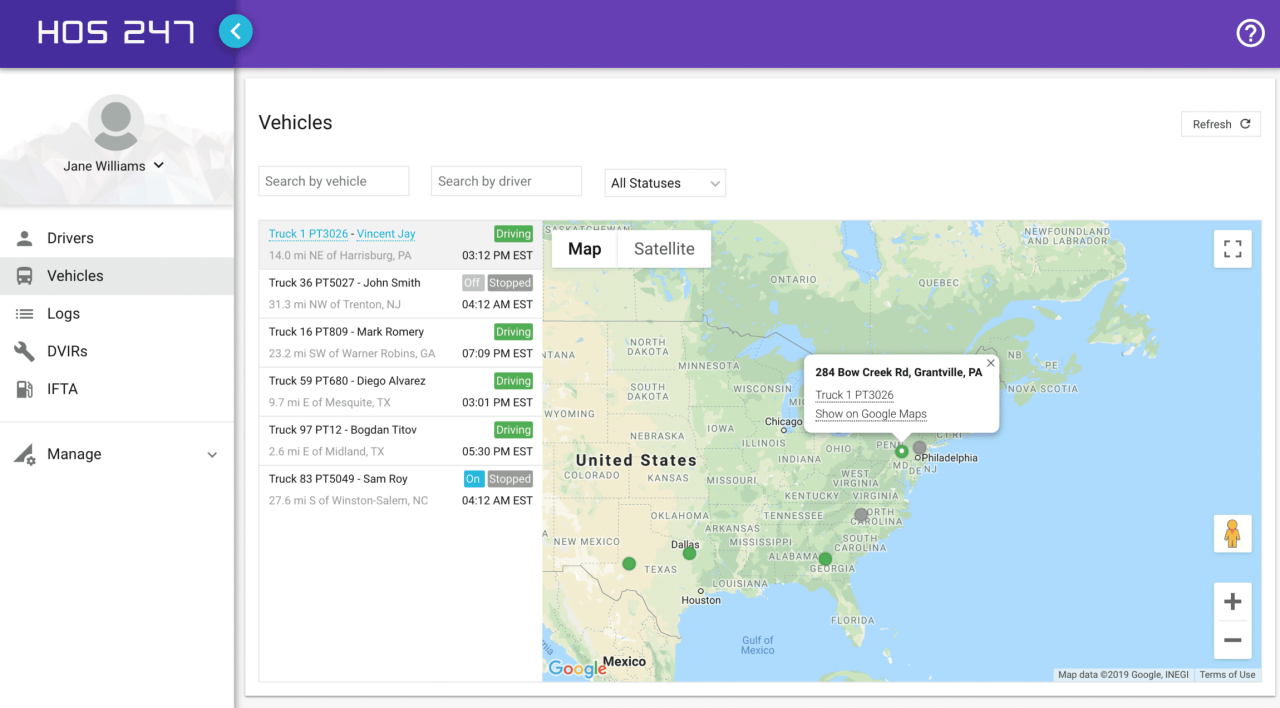
Truck tracking software is revolutionizing the logistics industry, providing businesses with real-time visibility and control over their fleet operations. In a world where timely deliveries and efficient route management can make or break a company’s reputation, this technology has become essential. Not only does it enhance operational efficiency, but it also fosters better communication between drivers and dispatchers, creating a smoother workflow.
From basic GPS tracking to advanced analytics, truck tracking software offers a range of features tailored to meet the diverse needs of fleet managers. These tools help businesses monitor their vehicles’ locations, manage fuel consumption, and even predict maintenance needs. As the demand for transparency and accountability in transportation grows, integrating truck tracking software is becoming a strategic advantage for companies aiming to stay ahead of the competition.
In today’s fast-paced world, the significance of effective communication cannot be overstated. Whether in personal relationships or professional settings, the ability to convey thoughts clearly and succinctly is vital. This article explores the various facets of communication, the barriers we face, and how we can enhance our skills to build better connections with others.
Firstly, let’s delve into the essence of communication. At its core, communication is about exchanging information, ideas, feelings, and meaning between individuals. This process can be verbal, non-verbal, written, or visual. Each form has its unique impact and is suited to different contexts. For instance, face-to-face conversations allow for immediate feedback and emotional nuance, while written communication, such as emails or reports, can provide a more permanent record of discussions.
The importance of effective communication in the workplace cannot be emphasized enough. Clear communication leads to better teamwork, enhances productivity, and minimizes misunderstandings. When team members express their ideas openly and listen to one another, they create an environment of collaboration and innovation. Furthermore, effective leaders recognize the value of communication; they not only share their vision but also inspire and motivate their teams through their words and actions.
However, despite its critical role, many individuals struggle with communication. One major barrier is the fear of judgment. People often hesitate to express their thoughts due to the worry of how they will be perceived. This fear can stifle creativity and hinder open dialogue. To combat this, it is essential to foster an environment where all contributions are valued, and people feel safe to share their perspectives without the fear of criticism.

Another common barrier is a lack of clarity. Sometimes, we assume that our audience understands our message without taking the time to provide context or detail. This can lead to confusion and misinterpretations. To improve clarity, it is beneficial to organize our thoughts before speaking or writing, ensuring that our key points are presented logically. Utilizing simple language and avoiding jargon also aids in making our messages more accessible to a broader audience.
Non-verbal communication is another critical aspect often overlooked. Body language, facial expressions, and tone of voice can significantly impact how our messages are received. For instance, crossing arms may signal defensiveness, while maintaining eye contact can demonstrate confidence and engagement. Being aware of our own non-verbal cues, as well as those of others, can enhance our understanding of the communication process and help us adjust our messages accordingly.

To further develop our communication skills, we can adopt several strategies. Active listening is one of the most effective techniques. This involves paying full attention to the speaker, acknowledging their message, and responding thoughtfully. By practicing active listening, we not only improve our understanding but also demonstrate respect for the speaker, which can foster deeper relationships.
Another strategy is to seek feedback. Constructive criticism from trusted colleagues or friends can provide valuable insights into our communication style. By being open to feedback, we can identify areas for improvement and make necessary adjustments. Additionally, observing skilled communicators can be incredibly informative. Whether in meetings, presentations, or casual conversations, watching how effective communicators engage with others can inspire us to refine our own approach.
Moreover, embracing technology can enhance our communication capabilities. In a world increasingly reliant on digital communication, platforms such as video conferencing, instant messaging, and social media provide new avenues for connection. However, it’s important to be mindful of the limitations and potential misinterpretations that can arise in digital formats. Maintaining professionalism and clarity in our online interactions is essential to ensure our messages are received as intended.
Furthermore, cultural awareness plays a pivotal role in effective communication. As the world becomes more interconnected, understanding diverse communication styles and cultural norms is crucial. What may be considered a polite gesture in one culture could be perceived differently in another. Being sensitive to these differences allows us to navigate conversations with respect and adaptability, leading to more meaningful exchanges.
In conclusion, mastering the art of communication is an ongoing journey that requires dedication and practice. By overcoming barriers, honing our skills, and being mindful of our audience, we can transform our interactions and build stronger relationships. Whether in personal or professional settings, effective communication is key to success and fulfillment. As we continue to learn and grow, let us strive to communicate with clarity, empathy, and purpose.