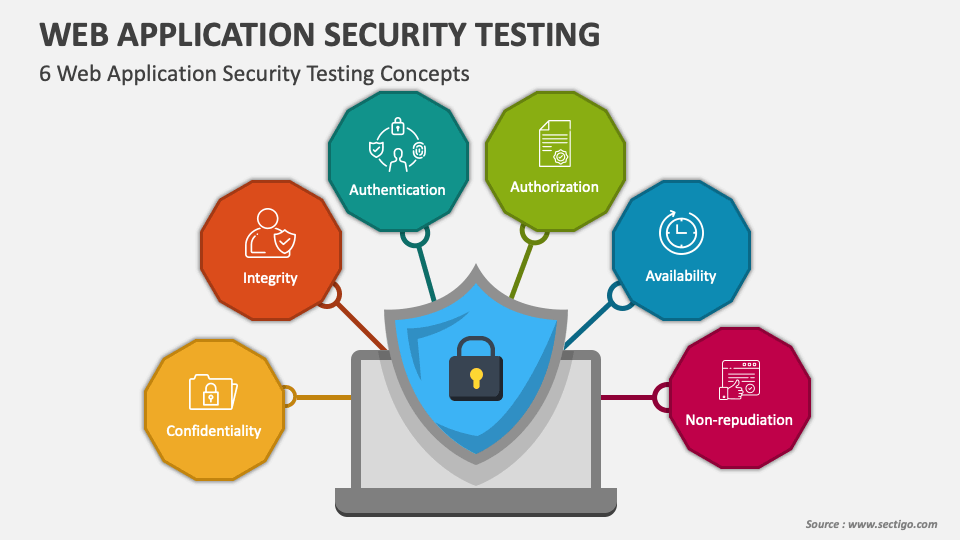
Web application security testing software is an essential tool in today’s digital landscape, where cyber threats loom large. As organizations increasingly rely on web applications for their services, ensuring these platforms are secure becomes paramount. This software not only helps identify vulnerabilities but also enhances overall security posture, making it invaluable for businesses aiming to protect sensitive data.
The landscape of web application security is continually evolving, necessitating robust testing solutions that can keep pace with new threats. From automated testing to manual assessments, these tools provide a comprehensive approach to safeguarding applications, ensuring that developers and security teams can deliver safe and reliable software to users.
In recent years, the world of work has undergone significant transformations, with remote work emerging as a prominent trend. This shift has been driven by various factors, including technological advancements, changing employee expectations, and most notably, the global pandemic that began in 2020. As we navigate through this new landscape, it’s essential to explore the implications, advantages, and challenges that come with remote work.
The Technological Catalyst
One of the primary drivers behind the rise of remote work is the rapid advancement of technology. High-speed internet, cloud computing, and collaboration tools have made it easier than ever for individuals to work from virtually anywhere. Software applications such as Zoom, Slack, and Trello have transformed communication and project management, allowing teams to collaborate seamlessly regardless of their physical locations.
Moreover, the proliferation of mobile devices has further empowered employees, enabling them to stay connected and productive on the go. This technological shift has not only made remote work feasible but has also led many organizations to rethink their traditional office-centric approaches.
Shifting Employee Expectations
Today’s workforce is increasingly valuing flexibility and work-life balance. A significant number of employees prefer the option to work remotely at least part-time. According to a survey conducted by Buffer in 2021, 97% of remote workers expressed a desire to continue working remotely, at least occasionally, for the rest of their careers. This desire reflects a growing realization that productivity is not necessarily tied to being physically present in an office.

Employers are recognizing the importance of accommodating these preferences. Companies that offer remote work options often find it easier to attract and retain top talent. In a competitive job market, organizations that prioritize flexibility can differentiate themselves and foster a more satisfied, engaged workforce.
The Pandemic Effect
The COVID-19 pandemic acted as a significant catalyst for remote work adoption. As businesses were forced to close their physical offices, many had to pivot to remote operations almost overnight. This rapid transition served as a proof of concept for remote work, demonstrating that many industries could operate effectively outside of a traditional office setting.
As restrictions have eased, many companies have opted to maintain flexible work arrangements, recognizing that productivity and employee satisfaction often improved during this period. The pandemic has reshaped the narrative around remote work, transforming it from a temporary solution into a long-term strategy for many organizations.
Advantages of Remote Work
There are numerous advantages to remote work, both for employees and employers. For employees, the most obvious benefit is the elimination of commuting. This time-saving aspect can lead to enhanced productivity and improved work-life balance. Additionally, remote work allows individuals to create personalized work environments that best suit their needs, promoting comfort and efficiency.
From the employer’s perspective, remote work can lead to cost savings. Organizations can reduce overhead costs associated with maintaining physical office spaces, such as rent, utilities, and office supplies. Furthermore, the ability to tap into a global talent pool enables companies to find the best candidates without geographical limitations, which can also lead to increased diversity within teams.
Challenges to Overcome
Despite its many advantages, remote work is not without its challenges. One of the most significant issues is the potential for isolation. Without daily face-to-face interactions, employees may feel disconnected from their colleagues and the company culture. This can lead to feelings of loneliness and decreased morale over time.
Another challenge lies in communication. While technology facilitates collaboration, it can also create misunderstandings. Nuances can be lost in written communication, and time zone differences can complicate scheduling meetings. Organizations need to cultivate strong communication practices and invest in team-building activities to foster a sense of community among remote workers.
The Future of Remote Work
As we look ahead, it is clear that remote work is likely here to stay. Organizations are increasingly adopting hybrid models, where employees split their time between remote work and in-office days. This model aims to strike a balance, allowing for flexibility while still providing opportunities for in-person collaboration.
Moreover, as the workforce continues to evolve, companies will need to adapt their policies and practices to meet the changing needs of employees. This includes investing in technology that supports remote work, prioritizing mental health and well-being, and fostering a culture of trust and accountability.
Conclusion
In conclusion, the rise of remote work represents a significant shift in the employment landscape. While it brings various advantages, it also presents unique challenges that organizations must navigate. As technology continues to evolve and employee expectations shift, it is essential for businesses to remain agile and responsive. By embracing this new era of work, both employers and employees can benefit from a more flexible, productive, and fulfilling work environment.