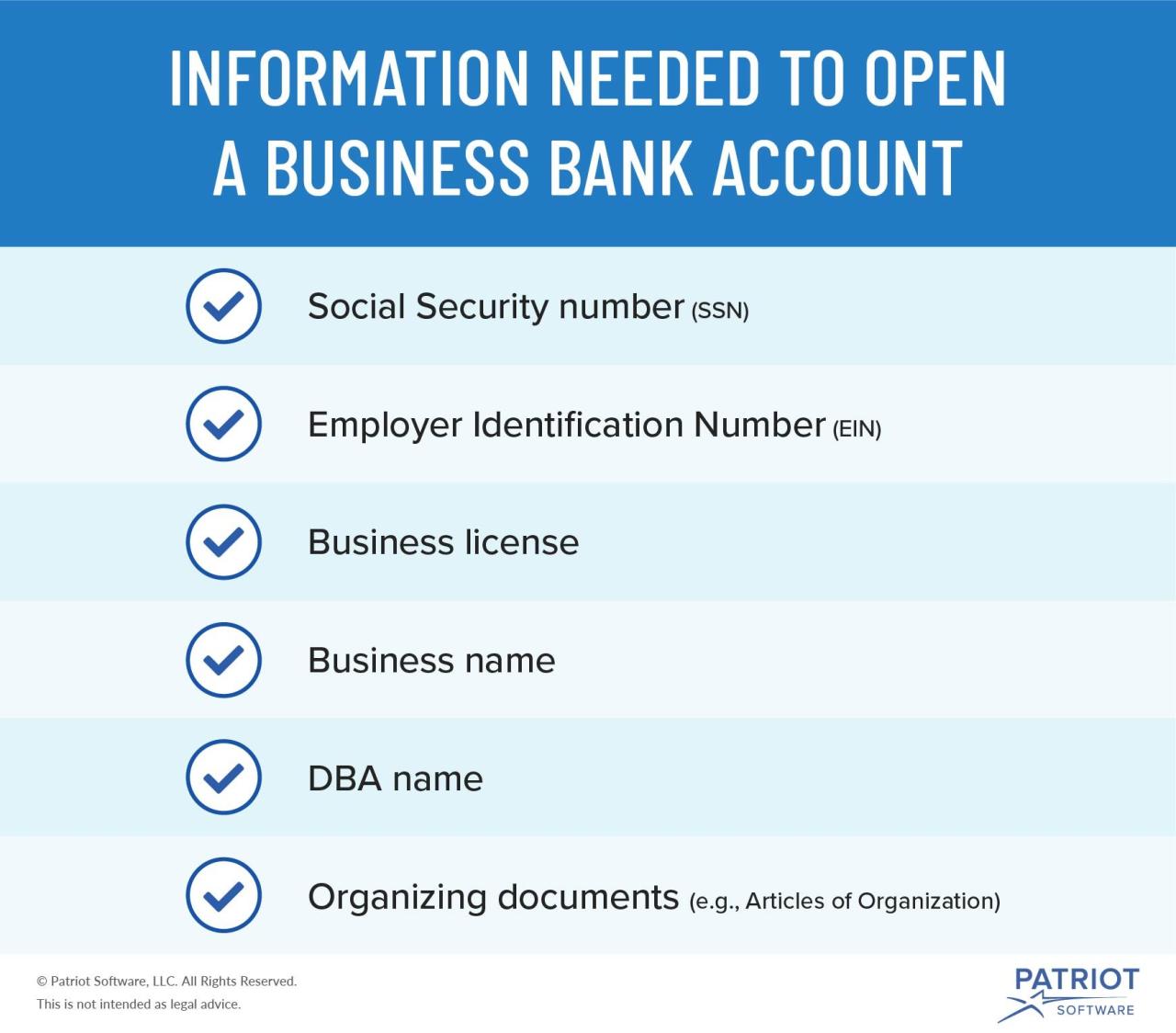
Online business bank account services have transformed the way businesses manage their finances, offering a blend of convenience and efficiency like never before. With the rise of e-commerce and digital transactions, having a dedicated bank account tailored for online businesses is crucial for managing cash flow, expenses, and income.

These accounts not only help in keeping business finances separate from personal ones but also provide features such as expense tracking, invoicing tools, and integration with accounting software, making them indispensable for modern entrepreneurs.
In today’s fast-paced world, the concept of work-life balance has become increasingly significant. With the rise of technology, many individuals find it challenging to separate their professional responsibilities from their personal lives. This article explores the importance of work-life balance, the key components that contribute to achieving it, and practical tips to help individuals cultivate a healthier equilibrium between their careers and personal interests.
Firstly, it is essential to understand what work-life balance means. At its core, work-life balance refers to the ability to prioritize and manage both work and personal life commitments effectively. It is not merely about the number of hours spent at work versus home but rather about how individuals allocate their time and energy to various aspects of their lives. A balanced approach leads to improved well-being, increased productivity, and overall happiness.
The importance of work-life balance cannot be overstated. Studies have shown that individuals who maintain a healthy balance are less prone to stress, burnout, and fatigue. These negative outcomes not only impact personal health but can also lead to decreased productivity at work and strained relationships at home. Conversely, individuals who successfully achieve work-life balance often report higher job satisfaction, better mental health, and a greater sense of fulfillment in their personal lives.
To cultivate a work-life balance, several key components should be considered. The first is time management. Effective time management allows individuals to allocate their time wisely between work, family, and personal interests. This includes creating a schedule that Artikels work commitments, family obligations, and personal time for hobbies or relaxation. Utilizing tools such as calendars, to-do lists, and productivity apps can help individuals stay organized and focused on their priorities.
Secondly, setting boundaries is crucial in achieving work-life balance. In an era where technology enables constant connectivity, it is essential to establish clear boundaries between work and personal life. This means communicating with colleagues and supervisors about availability, setting specific work hours, and resisting the urge to check emails or complete work tasks during personal time. By setting boundaries, individuals can create a healthier separation between their professional and personal lives.
Another important aspect of work-life balance is self-care. Prioritizing self-care involves taking time for oneself to recharge and rejuvenate. This can include engaging in physical activity, practicing mindfulness or meditation, pursuing hobbies, or spending quality time with loved ones. By incorporating self-care into daily routines, individuals can reduce stress levels and enhance their overall well-being, thus improving their capacity to handle work-related challenges.
Flexibility is also a vital component of achieving work-life balance. Many organizations are beginning to recognize the benefits of flexible work arrangements, such as remote work, flexible hours, or compressed workweeks. This flexibility allows individuals to tailor their work schedules to better fit their personal lives. When employees are given the autonomy to manage their time, they often feel more empowered and motivated, leading to increased job satisfaction and productivity.
Moreover, effective communication is key in facilitating work-life balance. Open discussions with employers about workload, expectations, and any challenges faced can lead to constructive solutions that benefit both parties. Employers who foster a culture of transparency and understanding are more likely to retain talent and promote a positive work environment.
In addition to the aforementioned components, it is also essential to regularly assess and adjust one’s work-life balance. Life is dynamic, and personal circumstances may change over time. Regularly reflecting on one’s priorities, commitments, and overall satisfaction can help individuals identify areas that require adjustments. This ongoing evaluation ensures that work-life balance remains a priority and that individuals can adapt to changing circumstances.
It is important to note that achieving work-life balance is not a one-size-fits-all approach. Each individual is unique, with different responsibilities, values, and lifestyle choices. What works for one person may not work for another. Therefore, it is crucial to find a personalized approach that aligns with individual goals and aspirations.
Lastly, support systems play a vital role in maintaining work-life balance. Surrounding oneself with supportive friends, family, and colleagues can provide encouragement and motivation. Sharing responsibilities at home, seeking assistance from loved ones, or utilizing professional networks can alleviate pressure and create a sense of community.
In conclusion, work-life balance is an essential aspect of leading a fulfilling and healthy life. By prioritizing time management, setting boundaries, practicing self-care, embracing flexibility, and fostering open communication, individuals can create a sustainable equilibrium between their professional and personal lives. Remember that achieving work-life balance is a continuous journey that requires ongoing assessment and adjustment. Ultimately, investing in work-life balance not only benefits individuals but also enhances overall productivity and success in the workplace, leading to a more harmonious existence.