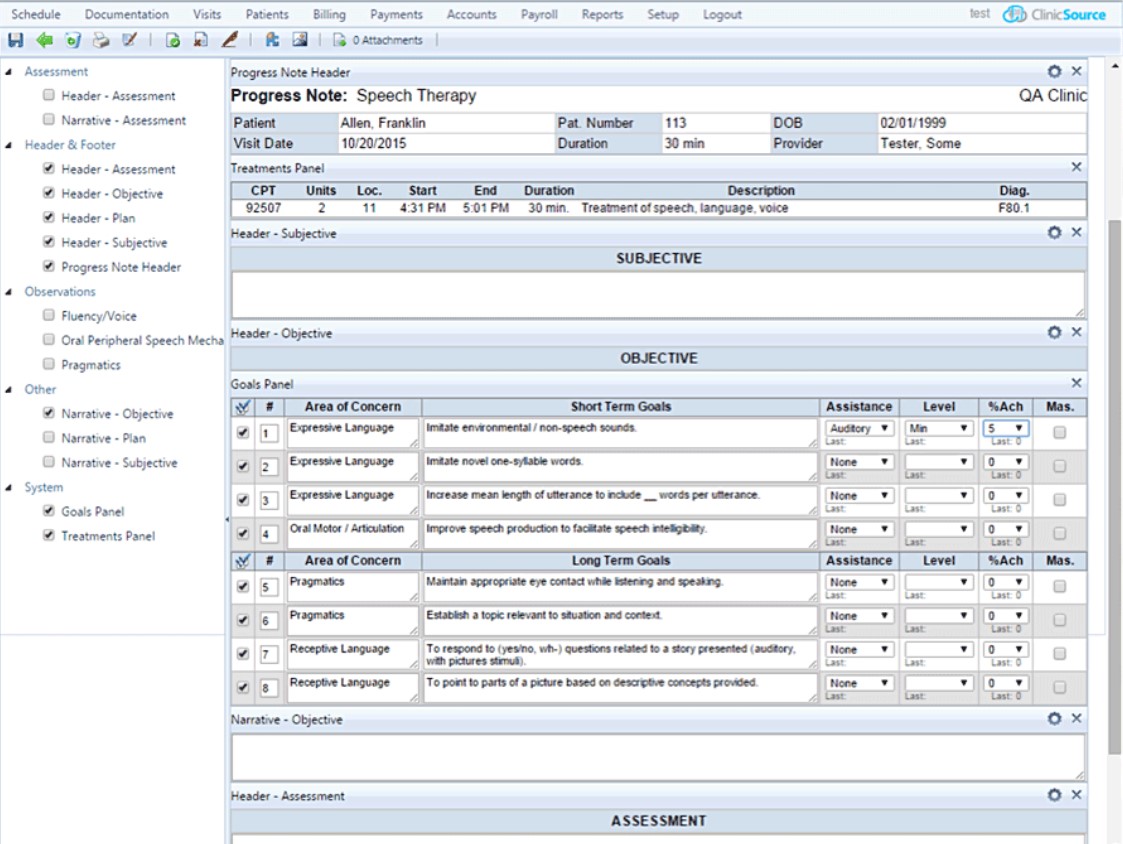
In today’s fast-paced world, therapy practice management software is revolutionizing how clinics operate, making processes smoother and more efficient. This innovative technology not only streamlines administrative tasks but also enhances patient care, allowing therapists to focus on what they do best—helping their clients. With an ever-growing need for effective practice management solutions, it’s crucial to understand the diverse features these software systems offer and how they can transform therapy practices.
This software comes equipped with tools for scheduling, billing, and patient management, making it easier for therapists to navigate their daily responsibilities. By automating routine tasks, therapy practice management software saves time and reduces the likelihood of errors, ultimately leading to a more productive workplace and improved client satisfaction.
In our fast-paced world, the significance of self-care has become increasingly apparent. For many, the concept of self-care is often misunderstood or reduced to mere indulgence—think bubble baths and spa days. However, self-care is much more than that; it’s a fundamental practice that encompasses physical, mental, and emotional well-being. In this article, we will delve into the essence of self-care, explore its various dimensions, and discuss practical strategies to incorporate it into our daily lives.
Understanding Self-CareAt its core, self-care refers to the deliberate actions we take to maintain and enhance our health and well-being. It is about recognizing our needs and taking steps to meet them, ultimately fostering a healthier relationship with ourselves. Unlike self-indulgence, which often focuses on temporary pleasures, self-care emphasizes long-term benefits. It can include activities that help us recharge, reflect, and rejuvenate, from regular exercise and a balanced diet to mindfulness practices and social connections.
The Importance of Self-CareIn today’s society, where stress levels are often high and the demands of life can be overwhelming, self-care serves as a vital antidote. Engaging in self-care contributes to several key benefits:
1. Improved Mental Health
Regularly taking time for oneself can significantly reduce symptoms of anxiety and depression. It provides an opportunity for individuals to disconnect from daily stresses and reconnect with themselves.
2. Enhanced Physical Health
Incorporating self-care practices like nutrition and exercise can lead to improved physical health. When we prioritize our physical well-being, we are less likely to succumb to illness and fatigue.
3. Increased Productivity
Paradoxically, taking breaks and engaging in self-care can boost our overall productivity. When we are well-rested and mentally clear, we can perform better in our professional and personal lives.
4. Better Relationships

When we take care of ourselves, we are often in a better position to care for others. Self-care fosters healthier relationships, as it encourages us to be more present, patient, and compassionate towards those around us. Practical Self-Care StrategiesIncorporating self-care into your routine doesn’t have to be complicated or time-consuming. Here are some practical strategies that can easily fit into your everyday life:
1. Establish a Routine
Create a self-care routine that works for you. It could be as simple as dedicating a few minutes each morning for meditation or journaling. Consistency is key to making self-care a habit.
2. Physical Activity
Whether it’s a brisk walk, yoga, or a dance class, find an activity that you enjoy and make it a regular part of your life. Exercise releases endorphins, which can enhance your mood and overall well-being.
3. Mindfulness and Meditation
Practicing mindfulness or meditation can help center your thoughts and reduce stress. Start with just a few minutes each day to focus on your breath and be present in the moment.
4. Healthy Eating
Nourish your body with wholesome foods. Meal prepping can save time and ensure that you have healthy options available, reducing the temptation to resort to unhealthy fast food during busy times.
5. Social Connections
Make time for friends and family. Engaging in meaningful conversations and nurturing relationships can provide emotional support and increase feelings of belonging.
6. Digital Detox

In our increasingly digital world, it’s essential to take breaks from screens. Designate specific times to unplug from devices and enjoy uninterrupted moments with yourself or loved ones.
7. Creative Outlets
Explore your creative side through hobbies like painting, writing, or playing music. Engaging in creative activities can be therapeutic and a wonderful way to express emotions.
8. Seek Professional Help
If you’re struggling with mental health issues, don’t hesitate to seek professional help. Therapy and counseling are valuable resources that can provide support and guidance. Overcoming Barriers to Self-CareDespite the clear benefits of self-care, many people face barriers that prevent them from prioritizing it. Here are some common obstacles and tips to overcome them:
1. Time Constraints
Many believe they don’t have enough time for self-care. However, it’s essential to view self-care as a priority rather than a luxury. Even short bursts of self-care can be effective, so look for pockets of time throughout your day.
2. Guilt
Some individuals feel guilty about taking time for themselves, particularly parents or caretakers. It’s crucial to recognize that caring for yourself ultimately allows you to care for others better.
3. Financial Limitations
Self-care doesn’t have to be expensive. Many self-care activities, such as walking in nature or reading a book, are free. Focus on what you can do that brings you joy without breaking the bank.
4. Lack of Knowledge
Some may not know where to start with self-care. Begin by assessing your needs—mental, physical, and emotional—and try to implement activities that address those needs. ConclusionSelf-care is an essential practice that can enhance our quality of life, improve our mental and physical health, and foster stronger relationships. By recognizing the importance of self-care and implementing practical strategies, we can create a sustainable routine that nurtures our well-being.
Remember, self-care is not selfish; it’s a necessary component of living a balanced and fulfilling life. In a world that often encourages us to prioritize productivity over personal well-being, it’s vital to carve out time for ourselves and cultivate a practice of self-care that honors our unique needs and aspirations. Embrace the journey of self-discovery and self-compassion; after all, you deserve it.