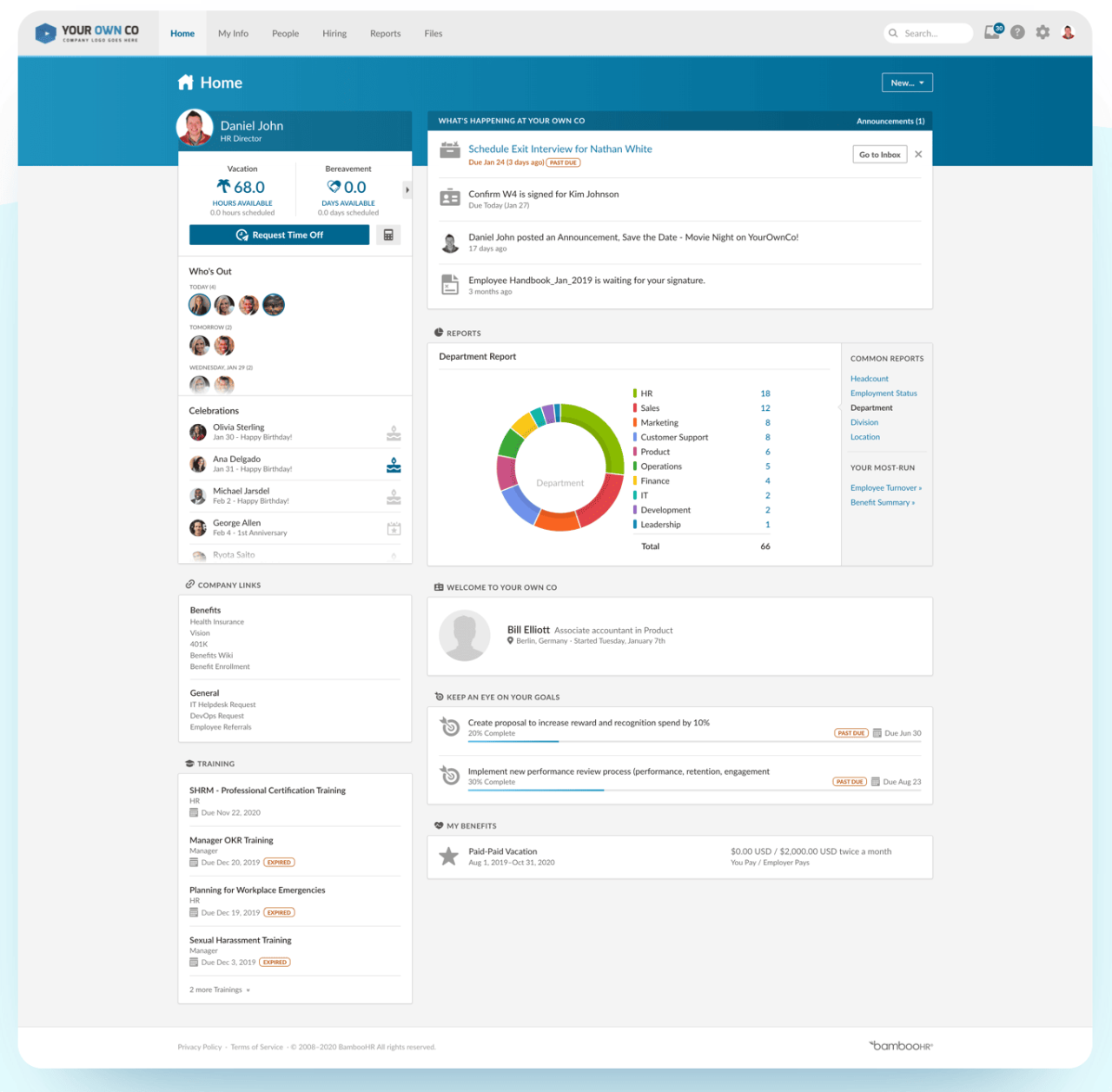
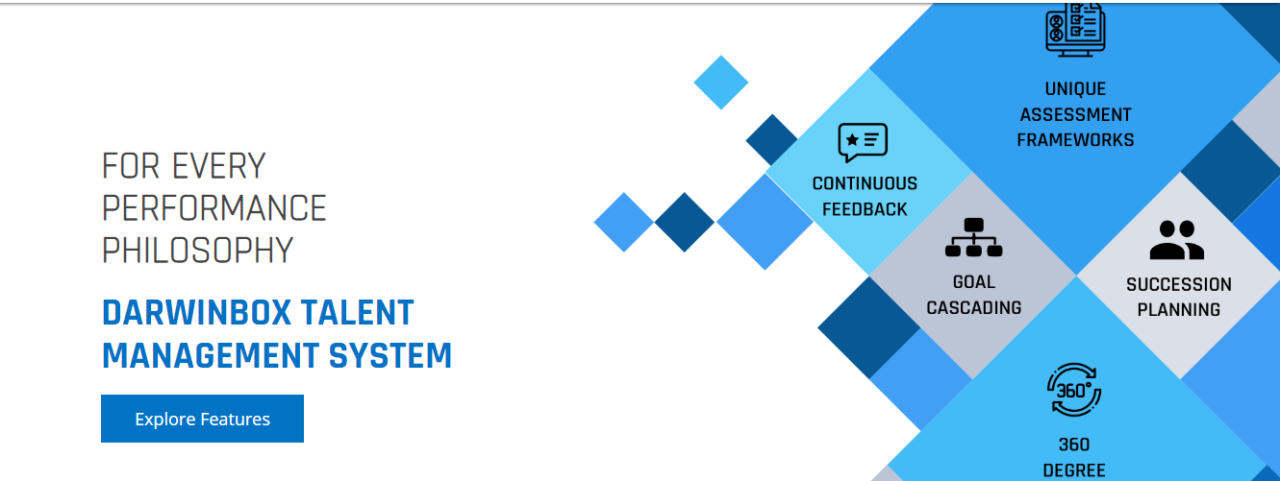
With staff performance management software at the forefront, organizations are transforming the way they manage and enhance employee performance. This innovative tool not only tracks productivity but also fosters communication and collaboration among teams, contributing to a more engaged workforce. As businesses navigate the complexities of employee performance, the integration of technology becomes essential for driving growth and achieving strategic goals.
In today’s fast-paced work environment, leveraging technology to monitor and support staff performance is more crucial than ever. These software solutions provide valuable insights into employee capabilities, helping managers make informed decisions that align with company objectives. From setting clear goals to offering constructive feedback, staff performance management software plays a pivotal role in cultivating a culture of excellence and accountability.
In today’s fast-paced digital world, the importance of effective communication cannot be overstated. Whether you’re a student, a professional, or simply someone trying to convey a message, the way you express yourself can significantly influence how your ideas are received. This article delves into the nuances of communication, exploring its various forms, tips for improvement, and the role of technology in shaping our interactions.Let’s begin by considering what communication really means.
At its core, communication is the process of exchanging information, ideas, thoughts, or feelings between individuals or groups. This exchange can occur through various channels, including verbal, nonverbal, written, and visual means. Each form of communication has its own unique characteristics and can be used effectively depending on the context.Verbal communication is one of the most common forms, encompassing conversations, speeches, and presentations.
It involves both spoken words and the tone in which they are delivered. For instance, the way you say something can often be just as important as what you say. A friendly tone can make a message more appealing, while a harsh tone may alienate your audience. To enhance verbal communication skills, it’s beneficial to practice active listening, which not only improves understanding but also fosters a more engaging dialogue.Nonverbal communication, on the other hand, includes body language, facial expressions, gestures, and even eye contact.
These cues can convey a wealth of information and often speak louder than words. For example, crossing arms might suggest defensiveness, while maintaining eye contact can indicate confidence and sincerity. Being aware of your own nonverbal signals, as well as those of others, can greatly improve your communication effectiveness.Written communication encompasses everything from emails and reports to social media posts and text messages.
In our digitally connected world, the written word holds immense power. It’s crucial to consider your audience when crafting written messages. Use clear and concise language to avoid misunderstandings. Additionally, proofreading your work before sending it can help ensure professionalism and clarity. Utilizing tools like grammar checkers can also aid in refining your writing, making it more polished and impactful.Visual communication involves the use of images, graphics, and other visual aids to convey information.
Infographics, charts, and videos can simplify complex ideas and make them more digestible. In a world where attention spans are dwindling, visual elements can capture attention and enhance retention. When creating visual content, it’s important to keep design principles in mind, such as balance, contrast, and alignment, to create an aesthetically pleasing and effective message.Now that we’ve explored the various forms of communication, let’s discuss some practical tips for improvement.
First and foremost, practice is key. The more you engage in different forms of communication, the more comfortable and skilled you will become. Join public speaking groups, participate in discussions, or write regularly to hone your abilities.Another important aspect is empathy. Understanding the perspective of your audience can significantly enhance your communication. Consider their needs, concerns, and emotions when crafting your message.
This empathetic approach fosters a connection and makes your communication more relatable and effective.Feedback is also an essential component of improving communication skills. Seek constructive criticism from peers, mentors, or even friends. This can provide valuable insights into areas for improvement and help you identify strengths you didn’t realize you had.Furthermore, embracing technology can greatly enhance your communication efforts. In today’s digital age, numerous tools and platforms are available to facilitate communication.
Video conferencing tools like Zoom or Microsoft Teams allow for real-time interactions, bridging geographical gaps. Collaboration platforms like Slack or Trello enable team members to communicate and share ideas seamlessly, fostering a more collaborative environment.Social media has also transformed the way we communicate. Platforms like Twitter, LinkedIn, and Instagram provide opportunities to connect with a broader audience, share ideas, and build personal brands.
However, it’s essential to approach social media with caution. Be mindful of your online presence, as what you post can have lasting implications. Engaging authentically and respectfully can help build meaningful connections.Finally, let’s touch on the importance of cultural awareness in communication. In our increasingly globalized world, understanding cultural differences is vital for effective communication. Different cultures may have varying communication styles, norms, and expectations.

Being open-minded and adaptable can help bridge these gaps and foster more meaningful interactions.In summary, effective communication is a multifaceted skill that can greatly impact personal and professional relationships. By understanding the various forms of communication—verbal, nonverbal, written, and visual—and employing strategies to improve these skills, individuals can enhance their ability to connect with others. Embracing technology and being culturally aware are also essential in navigating today’s diverse and interconnected landscape.
Ultimately, the key to successful communication lies in practice, empathy, and a willingness to adapt. As we continue to evolve in our communication styles, let’s strive for clarity, authenticity, and understanding in all our interactions.