What is an application engineer? This role is pivotal in bridging the gap between technology and user needs, ensuring software applications meet both functionality and performance standards. Application engineers work closely with clients to understand their requirements, providing tailored solutions that enhance user experience and operational efficiency.
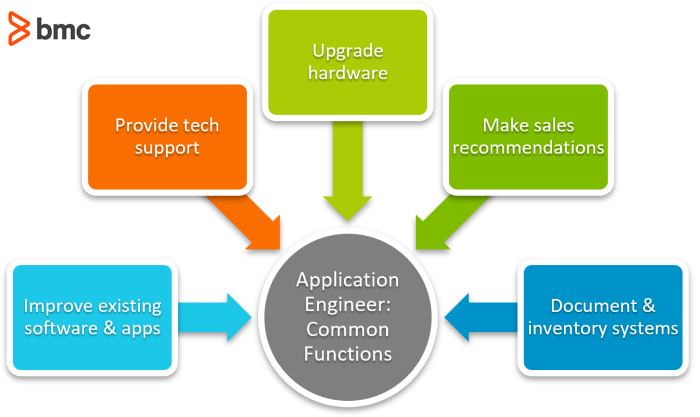
This position combines technical expertise with interpersonal skills, allowing engineers to translate complex technical details into user-friendly terms. From collaborating with development teams to conducting user training sessions, application engineers play a crucial role in the software lifecycle.

In recent years, the world has witnessed a remarkable shift in the way we communicate, primarily influenced by technological advancements and the rise of social media. This evolution has not only transformed interpersonal relationships but has also reshaped our society at large. In this article, we will delve into the various dimensions of modern communication, its impacts, and the potential future it holds.
To begin with, it’s essential to recognize the pivotal role that technology plays in shaping our communication landscape. The advent of smartphones and social media platforms has revolutionized the way we interact with one another. Never before have we had the ability to communicate with anyone, anywhere, at any time. This immediacy brings with it both positive and negative implications.
On the positive side, technology has bridged gaps. Long-distance relationships have become more manageable, as couples can maintain a connection through video calls, instant messaging, and social networking. Families spread across different continents can share their lives in real-time, which was unimaginable a few decades ago. Moreover, information travels faster than ever, enabling us to stay informed about global events instantly. This connectivity fosters a sense of shared experience and community that transcends geographical boundaries.
However, there are drawbacks to this rapid evolution. One significant concern is the decline of face-to-face communication. As we become more engrossed in our digital devices, the art of in-person conversation seems to be fading. Studies have shown that excessive reliance on digital communication can lead to social anxiety, decreased empathy, and a lack of interpersonal skills. Many individuals find it easier to express their thoughts through a screen rather than in person, which can lead to misunderstandings and reduced emotional connections.
Another aspect worth considering is the impact of social media on our communication styles. Platforms like Twitter, Instagram, and Facebook have given rise to a new language, characterized by brevity and creativity. Emojis, GIFs, and memes have become essential tools of expression, allowing users to convey complex emotions and ideas succinctly. While this evolution in language can enhance creativity, it can also lead to miscommunication. The nuances of tone and body language, crucial components of effective communication, are often lost in digital conversations.
Social media also plays a significant role in the way we consume information. The traditional model of journalism has been disrupted, as anyone with an internet connection can share news and opinions. While this democratization of information is empowering, it also poses challenges. The spread of misinformation and “fake news” is a growing concern, as individuals may struggle to discern credible sources from unreliable ones. This phenomenon underscores the importance of media literacy and critical thinking skills in navigating our current communication landscape.
Additionally, the rise of remote work has influenced communication dynamics within professional settings. Virtual meetings have become the norm, allowing teams to collaborate across distances. While this flexibility opens up new possibilities, it can also lead to challenges. Miscommunication is more likely in a virtual environment where visual cues are limited, and misunderstandings can proliferate. As a result, organizations must prioritize clear communication strategies and invest in tools that facilitate effective collaboration.
Looking ahead, it’s essential to consider the future of communication in an increasingly digital world. With the rapid development of artificial intelligence (AI) and machine learning, we may see further changes in how we interact. AI-driven chatbots and virtual assistants are already altering customer service experiences, offering immediate responses to queries. However, as we embrace these technologies, it’s crucial to maintain a balance between automation and human connection. The value of authentic, empathetic communication cannot be overstated, and we must be cautious not to lose sight of that as we advance.
Furthermore, as digital communication continues to evolve, we must also be mindful of inclusivity. Not everyone has equal access to technology, and disparities in digital literacy can create barriers to effective communication. It’s vital to advocate for equitable access to technology and resources, ensuring that everyone has the opportunity to participate in the digital conversation.
In conclusion, the landscape of communication is undergoing a profound transformation driven by technological advancements and societal shifts. While these changes offer exciting opportunities for connection and expression, they also present challenges that we must navigate carefully. As we continue to adapt to this evolving landscape, let us prioritize authentic communication, empathy, and inclusivity. By doing so, we can foster a more connected and understanding world that celebrates the richness of human interaction, both online and offline. Embracing this balance will not only enhance our personal relationships but also contribute to a more cohesive society as we move forward into the future. Ultimately, the way we communicate shapes our experiences, influences our perspectives, and defines our connections with others, making it a vital aspect of the human experience.