Application performance management sets the stage for this enthralling narrative, offering readers a glimpse into a story that is rich in detail and brimming with originality from the outset. This vital practice ensures applications run smoothly and efficiently, directly impacting user satisfaction and business success. By monitoring and analyzing application performance, organizations can identify and resolve issues before they escalate, leading to improved functionality and user engagement.
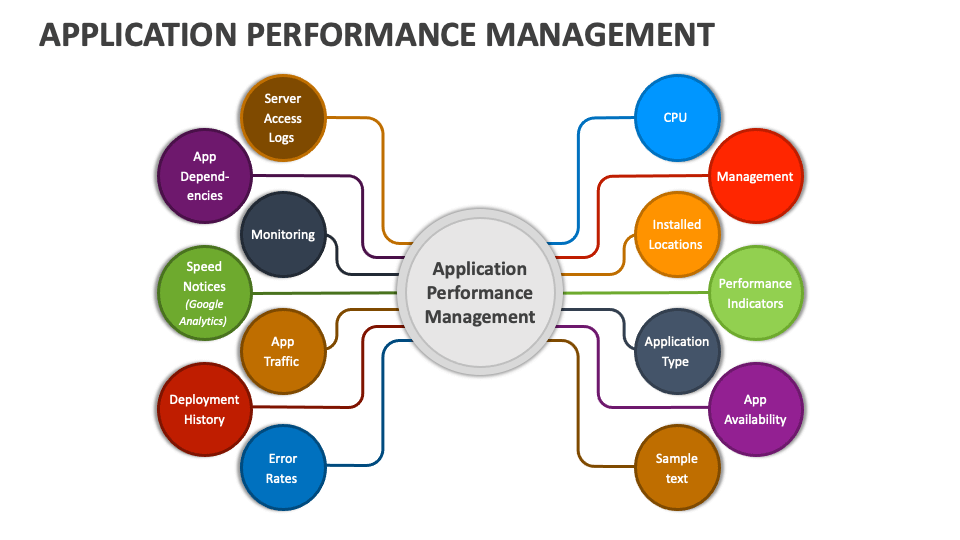
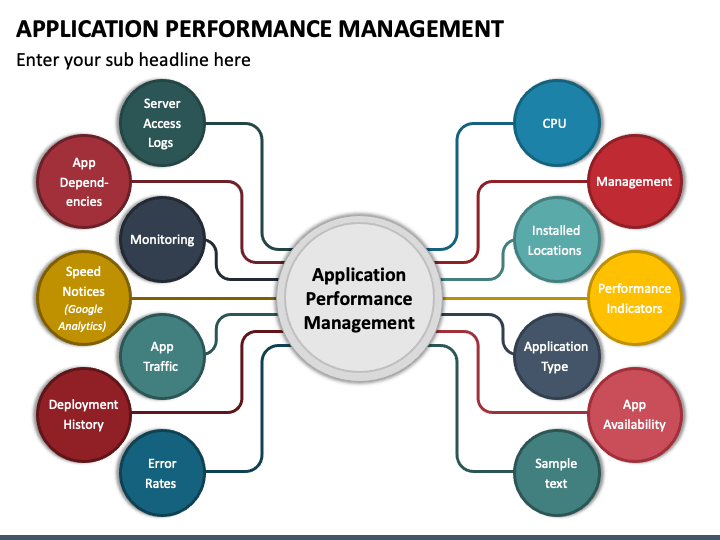
The world of application performance management encompasses various strategies and tools designed to optimize the user experience. From understanding user behavior to utilizing advanced monitoring technologies, effective application performance management allows businesses to maintain their competitive edge. As applications evolve, so do the methods and technologies used to manage their performance, presenting both opportunities and challenges in an ever-changing digital landscape.
In the world of digital marketing, the importance of content cannot be overstated. From blogs and articles to social media posts and videos, content is the backbone of any successful online strategy. In this article, we’ll delve deep into the various aspects of content creation and why it matters for businesses and individuals alike.
Firstly, let’s define what content is. In the simplest terms, content refers to any information that is communicated to an audience. This could be in the form of written text, images, videos, podcasts, or any other medium that conveys a message. The primary goal of content is to engage, inform, or entertain the reader or viewer, ultimately influencing their perceptions and actions.
One of the key reasons content is vital for any online presence is its role in search engine optimization (). Search engines like Google prioritize high-quality, relevant content when delivering search results. This means that businesses and creators who invest in producing valuable content are more likely to rank higher in search results. This visibility can lead to increased traffic, more leads, and ultimately, higher conversions.
Now, let’s explore the various types of content that businesses can create. Blogs are one of the most popular forms of content. They allow brands to share their expertise, industry news, and useful tips with their audience. A well-written blog can not only position a brand as a thought leader but also drive organic traffic to its website.
Next, we have social media content. Platforms like Facebook, Instagram, Twitter, and LinkedIn offer unique opportunities for brands to engage with their audience. Social media content can take many forms, including posts, stories, videos, and live streams. The key to successful social media content is to be authentic and relatable. Brands that can connect with their audience on a personal level will see higher engagement rates and a stronger community.
Another increasingly popular type of content is video. With the rise of platforms like YouTube, TikTok, and Instagram Reels, video content has become essential for brands looking to capture their audience’s attention. Video allows for storytelling in a dynamic way, making it easier to convey emotions and messages. Whether it’s a tutorial, a behind-the-scenes look, or a product demonstration, video content can be incredibly effective in driving engagement.
Email marketing is also a powerful content strategy. By sending newsletters or promotional emails, businesses can keep their audience informed about new products, services, or offers. The key to successful email content is personalization. Tailoring content to specific segments of your audience can significantly increase open rates and conversions.
Now, let’s discuss the importance of quality over quantity in content creation. While it may be tempting to churn out as much content as possible, focusing on quality is crucial for long-term success. High-quality content is well-researched, well-written, and provides value to the audience. It builds trust and credibility, which are essential for fostering a loyal customer base.
Moreover, consistency is key in content marketing. Establishing a regular posting schedule helps to keep your audience engaged and coming back for more. Whether it’s weekly blog posts, daily social media updates, or monthly newsletters, consistency reinforces your brand’s message and keeps you top-of-mind for your audience.
Additionally, measuring the effectiveness of your content is essential for understanding what works and what doesn’t. Utilizing analytics tools can provide insights into audience behavior, engagement rates, and conversion metrics. This data is invaluable for refining your content strategy and ensuring that your efforts yield the best results.
In conclusion, content is a fundamental element of any digital marketing strategy. It enhances , engages audiences, and builds brand authority. By focusing on creating high-quality, valuable content and maintaining consistency, businesses can effectively connect with their audience and achieve their marketing goals. As the digital landscape continues to evolve, the importance of content will only continue to grow, making it imperative for brands to adapt and innovate in their content creation strategies. The future of marketing is undoubtedly content-driven, and those who embrace this truth will be the ones to thrive in the competitive online marketplace.