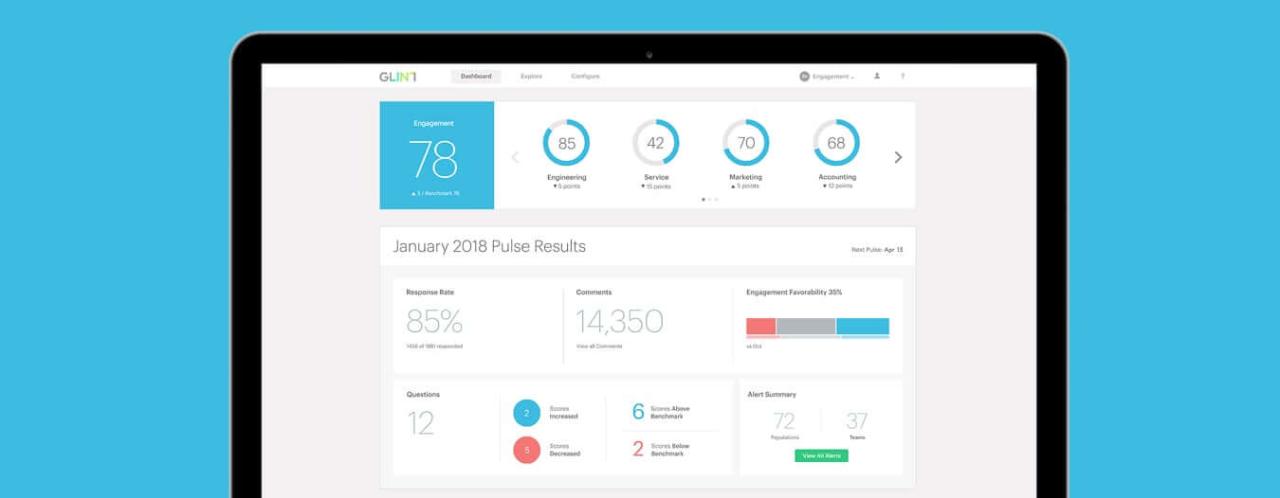
Employee engagement software sets the stage for this enthralling narrative, offering insights into how technology can transform workplace dynamics. With the right tools, organizations can foster a culture of inclusion and motivation, leading to higher productivity and job satisfaction. Understanding the nuances of employee engagement is essential for any business aiming to thrive in a competitive landscape.
From tracking employee feedback to facilitating communication, these software solutions serve as a bridge between management and staff, ensuring that every voice is heard and valued. The evolution of employee engagement software reflects the growing emphasis on creating a supportive and collaborative work environment.
In today’s fast-paced digital world, the significance of effective communication has never been more pronounced. From professional emails to casual conversations on social media, the way we express our thoughts directly influences how we connect with others. This article delves into the nuances of communication, exploring its importance, various forms, and tips for enhancing our communication skills.
The Importance of Communication
Communication is the backbone of human interaction. It encompasses not only verbal exchanges but also non-verbal signals such as body language, facial expressions, and even silence. In both personal and professional contexts, the ability to communicate effectively can lead to successful relationships, clearer understanding, and increased collaboration.
In the workplace, effective communication fosters teamwork and boosts productivity. When team members are on the same page, they can collaborate more efficiently, share ideas, and solve problems collectively. Conversely, poor communication can lead to misunderstandings, conflict, and decreased morale, which is why honing this skill is essential for anyone seeking to thrive in their career.
Forms of Communication
Communication comes in various forms, each serving different purposes and contexts. Here are the primary types:
1. Verbal Communication
Verbal communication involves the use of spoken or written words. This type can be further divided into:
- Oral Communication: This includes face-to-face conversations, phone calls, and video conferences. It allows for immediate feedback and can convey tone and emotion effectively.
- Written Communication: Emails, reports, and text messages fall under this category. Written communication provides a record of discussions and can be more carefully crafted than spoken words.
2. Non-Verbal Communication
Non-verbal communication refers to all the ways we convey messages without using words. This includes:
- Body Language: Posture, gestures, and movements can reveal a lot about our feelings and intentions.
- Facial Expressions: A smile or a frown can communicate emotions such as happiness, anger, or confusion.
- Eye Contact: Maintaining appropriate eye contact can show confidence and attentiveness, while avoiding it might signal discomfort or disinterest.
3. Visual Communication
This type includes images, graphs, charts, and other visual aids that support or enhance verbal communication. Visuals can help clarify complex information and make it more engaging.
Improving Communication Skills
Now that we understand the different forms of communication, let’s explore some practical tips to enhance our skills:
1. Active Listening
Active listening is vital for effective communication. It involves fully concentrating on the speaker, understanding their message, responding thoughtfully, and remembering what was said. To practice active listening:
- Maintain eye contact to show you are engaged.
- Avoid interrupting the speaker; let them finish their thoughts.
- Ask clarifying questions to demonstrate your interest and understanding.
2. Be Clear and Concise
When communicating, strive for clarity. Use simple language, avoid jargon, and get to the point quickly. This helps prevent misunderstandings and keeps the audience engaged.
3. Tailor Your Message
Consider your audience when crafting your message. Adjust your tone, style, and content based on who you are speaking to. For example, the language used in a formal business email will differ from that in a casual text to a friend.
4. Practice Empathy
Empathy involves understanding others’ feelings and perspectives. By practicing empathy, you can respond more appropriately to others’ emotions, which enhances relational dynamics. It encourages open dialogue and can help resolve conflicts effectively.
5. Use Technology Wisely
In our digital age, technology plays a crucial role in communication. Utilize tools like video conferencing for face-to-face interaction when in-person meetings aren’t possible. However, be mindful of potential misinterpretations in written communication due to the lack of verbal and non-verbal cues.
Overcoming Communication Barriers
Despite our best efforts, communication barriers can still arise. These barriers can stem from:
- Cultural Differences: Different cultures may have unique communication styles, which can lead to misunderstandings.
- Emotional Barriers: Personal emotions, such as anger or frustration, can cloud our ability to communicate effectively.
- Physical Barriers: Distance, background noise, or poor technology can inhibit effective communication.
To overcome these barriers, remain open-minded, practice patience, and seek clarification when needed. Building relationships based on trust can also mitigate many potential misunderstandings.
Conclusion
Effective communication is a crucial life skill that impacts our personal and professional relationships. By understanding the different forms of communication, actively working to improve our skills, and being aware of potential barriers, we can foster better connections with others. Whether in the workplace or our personal lives, the ability to communicate effectively is invaluable, paving the way for successful interactions and fulfilling relationships.