Fleet management software is revolutionizing the way businesses operate their transportation logistics. By integrating technology with fleet operations, companies can ensure optimal vehicle utilization, enhanced safety, and reduced operational costs. This software serves as a vital tool for businesses aiming to streamline their fleet processes while improving overall productivity.
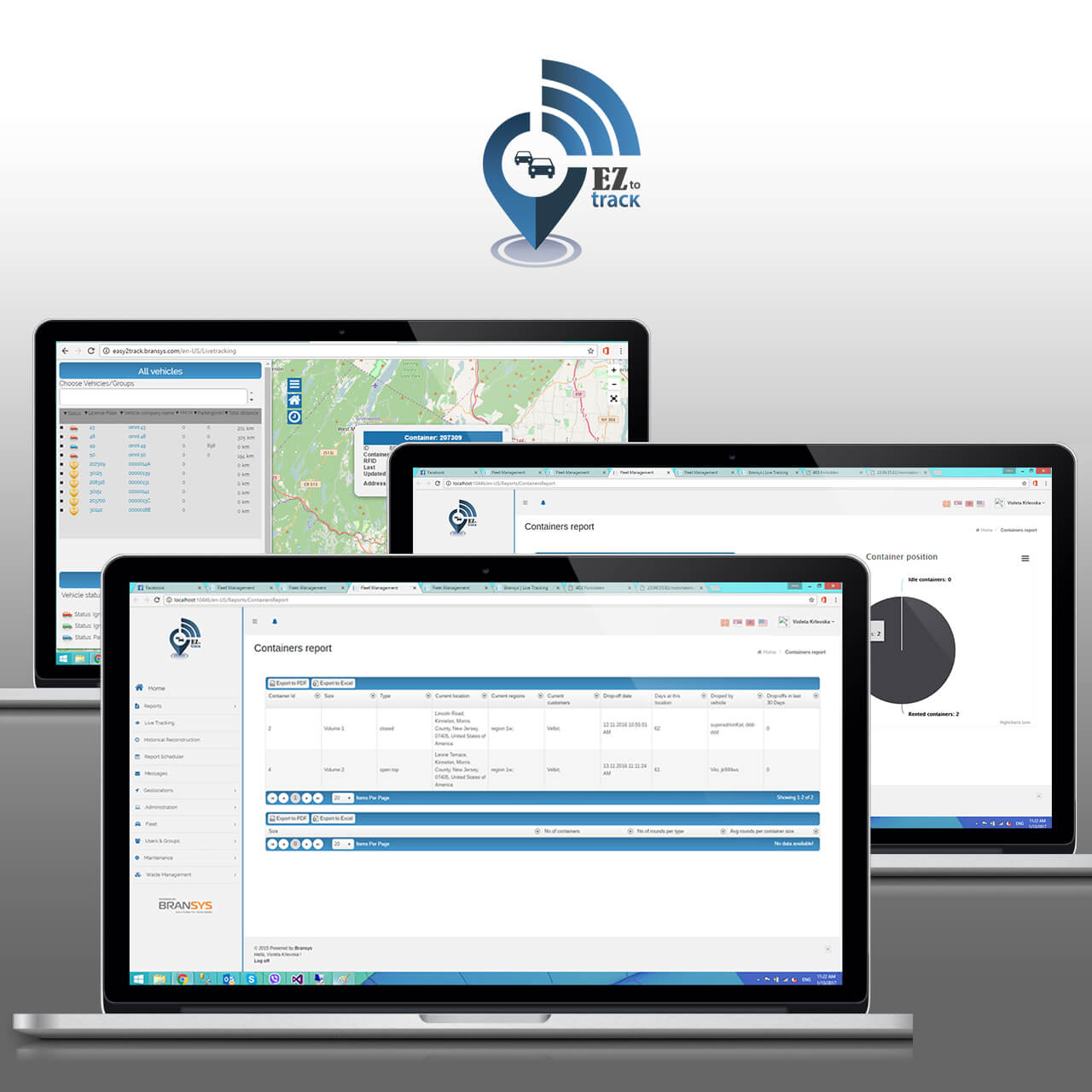
From tracking vehicle performance to managing driver schedules, fleet management software encompasses a broad spectrum of functionalities that cater to modern transportation needs. With the rise of digital solutions, this software not only enhances communication between drivers and fleet managers but also provides critical insights into fleet performance, enabling informed decision-making.
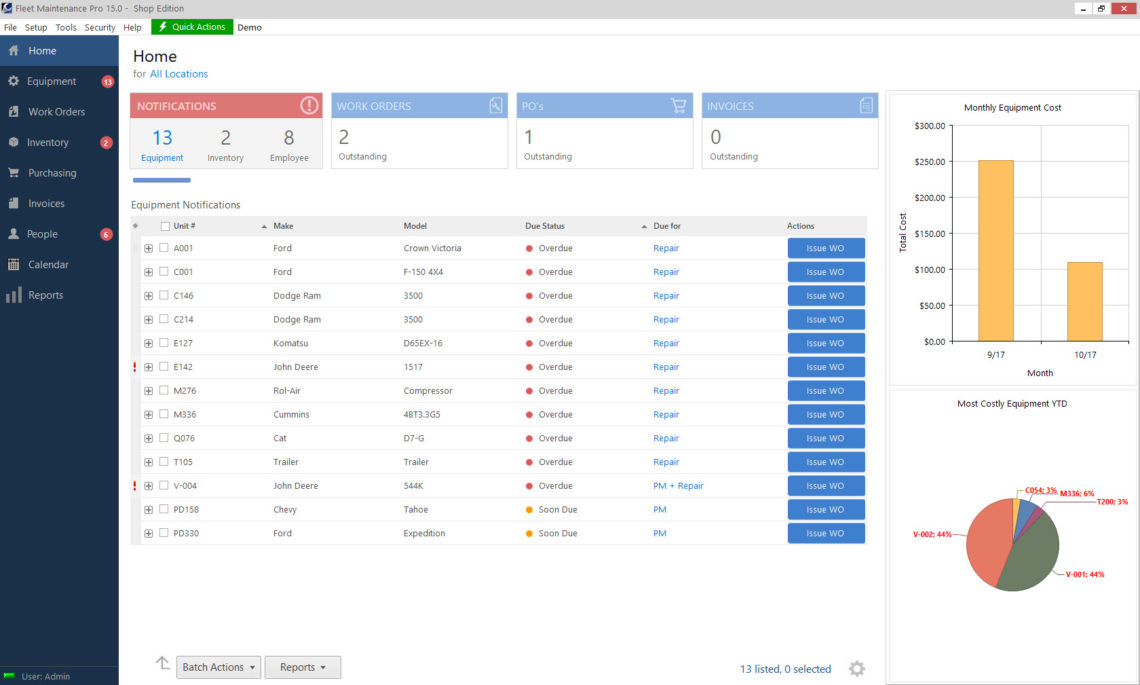
Welcome to the world of casual formal writing, where we blend a friendly tone with professionalism. In this article, we will explore a topic that not only resonates with many but also invites thoughtful discussions: the evolution of communication in the digital age.
To start with, we need to acknowledge that communication has undergone radical transformations over the past few decades. With the advent of the internet and mobile technology, the ways in which we convey our thoughts and ideas have dramatically changed. Gone are the days when letters were the primary means of communication; now, we live in an era dominated by instant messaging, emails, and social media interactions.
The first major shift in communication can be traced back to the rise of email in the 1990s. Email revolutionized the way we send messages, allowing for faster and more efficient exchanges of information. Suddenly, messages that once took days to reach their recipients could be delivered in a matter of seconds. This speed not only enhanced personal communication but also transformed business interactions. Companies began to rely heavily on email for everything from internal memos to external client communications.
As we moved into the 2000s, the emergence of social media platforms like Facebook, Twitter, and LinkedIn further changed the landscape of communication. These platforms introduced a new level of connectivity, allowing individuals to share their thoughts, ideas, and experiences with a global audience. Social media broke down geographical barriers, enabling people to engage in conversations with others from different cultures and backgrounds. This democratization of information has empowered voices that were once marginalized, giving rise to movements and conversations that challenge the status quo.
However, the rise of social media also brought about challenges. The informal nature of these platforms often blurs the lines between personal and professional communication. It is not uncommon to see individuals navigating the complexities of maintaining a professional image while also expressing their authentic selves online. This balancing act can lead to misunderstandings, especially in a professional context, where tone and intent may be misinterpreted.
Moreover, the prevalence of emojis and GIFs in digital communication adds another layer of complexity. While these elements can enhance the emotional resonance of a message, they can also lead to ambiguity. What may come across as a light-hearted joke in a text message could be perceived as unprofessional in an email to a colleague. Therefore, understanding your audience and the context of the communication is crucial in order to avoid potential pitfalls.
In addition to social media, we cannot overlook the impact of instant messaging applications like WhatsApp, Slack, and Microsoft Teams. These platforms have become staples in both personal and professional lives. They offer real-time communication, enabling quick exchanges and fostering collaboration among teams, regardless of their physical locations. However, with this immediacy comes the expectation of responsiveness. People often feel pressured to reply promptly, which can lead to increased stress and burnout. It’s important to establish boundaries and prioritize mental well-being in our hyper-connected world.
Furthermore, the rise of video conferencing tools like Zoom and Microsoft Teams has transformed how we conduct meetings and connect with others. The COVID-19 pandemic accelerated this trend, forcing many to adapt to remote work environments. Video calls have become the norm, allowing teams to maintain connections despite physical distance. While this mode of communication has its benefits, such as greater flexibility and reduced travel time, it also presents challenges. Technical issues, miscommunication due to lack of non-verbal cues, and “Zoom fatigue” are just a few of the hurdles that arise in virtual interactions.
As we navigate this ever-evolving landscape of communication, it’s essential to recognize the importance of digital literacy. Being proficient in various communication tools and understanding the nuances of different platforms can greatly enhance our effectiveness as communicators. This includes knowing when to use formal language versus a more casual tone, how to structure an email for clarity, and the best practices for engaging with audiences on social media.
In conclusion, the evolution of communication in the digital age has transformed how we connect with one another. While we have access to unprecedented tools and platforms that facilitate communication, we must remain mindful of the challenges that come with them. Striking a balance between professionalism and authenticity, understanding the nuances of different communication styles, and being aware of the impact of our digital presence are all crucial in this new era. As we continue to adapt to these changes, let us embrace the opportunities for connection while being mindful of the responsibilities that come with them.
So, the next time you reach for your phone to send a quick message or log onto a video call, take a moment to reflect on how far we’ve come in our communication practices. The digital age offers us remarkable possibilities, and it’s up to us to use these tools thoughtfully and responsibly. Remember, communication is not just about exchanging information; it’s about building relationships, fostering understanding, and creating a community. Thank you for joining me on this exploration of communication’s evolution in our digital world!