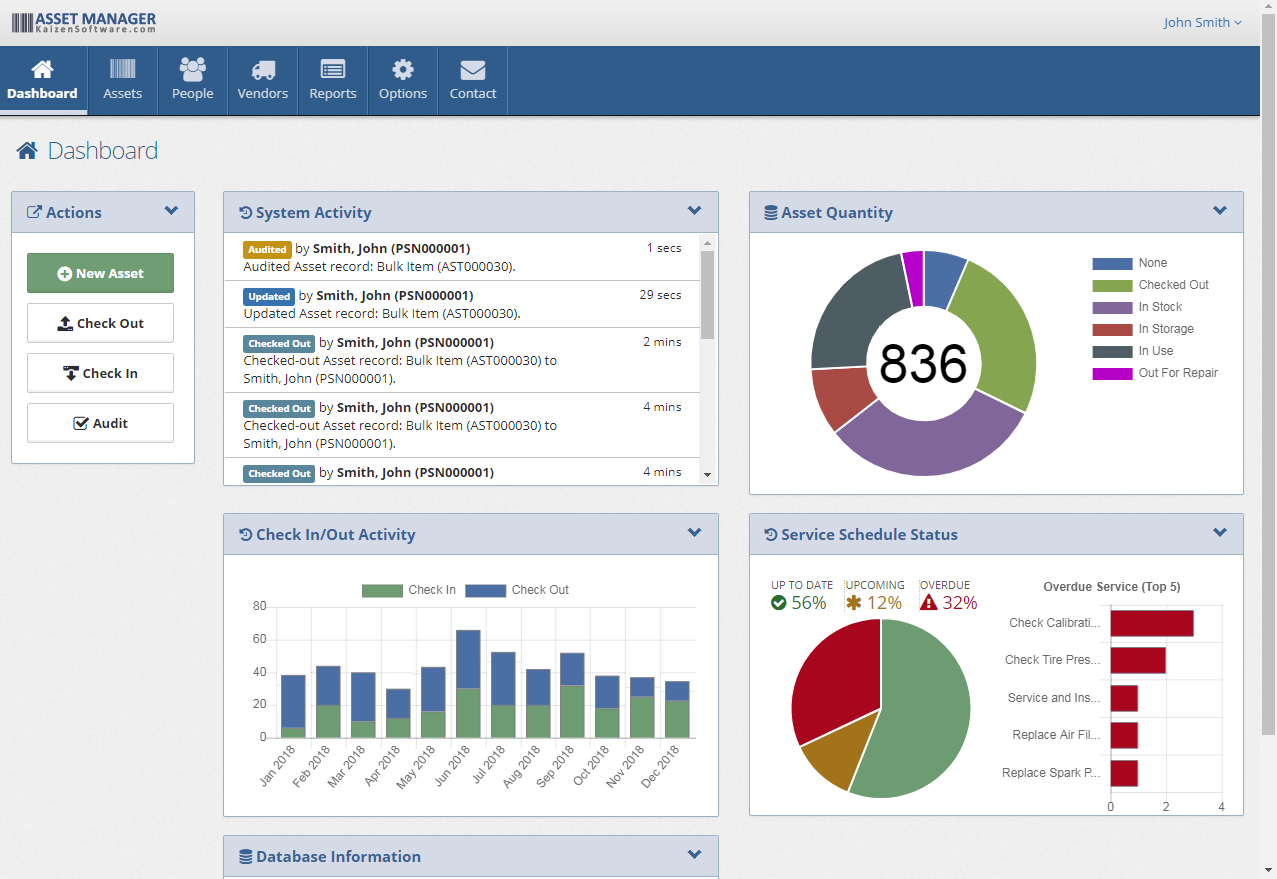
Asset management software is revolutionizing the way organizations handle their financial assets, providing an indispensable tool for efficient management and strategic investment. By integrating advanced technology and user-friendly interfaces, this software enables businesses to optimize their asset allocation, monitor performance, and ultimately drive growth.
In today’s fast-paced financial landscape, having a robust asset management system in place is not just an advantage but a necessity. It streamlines operations, ensures compliance, and provides valuable insights, making it easier for companies to navigate the complexities of asset management.
Coffee has become more than just a beverage; it has evolved into a culture, a ritual, and a form of art. From the early days of coffee consumption to the modern coffeehouses that grace our cities, the journey of coffee is rich and varied. In this article, we will explore the various aspects of creating the perfect cup of coffee, delving into everything from bean selection to brewing techniques.

Understanding Coffee Beans
The first step in making a great cup of coffee begins with understanding the coffee beans themselves. Coffee beans come from the coffee fruit or cherry, and they can be categorized into two main types: Arabica and Robusta. Arabica beans are generally considered higher quality, known for their smooth, complex flavors and lower caffeine content. In contrast, Robusta beans have a stronger, harsher taste and contain more caffeine, making them popular for espresso blends.
When selecting coffee beans, it’s essential to consider their origin. Different regions produce beans with distinct flavor profiles. For instance, Ethiopian beans often have fruity and floral notes, while Colombian beans are typically well-balanced with a nutty undertone. Exploring various origins can be an exciting adventure for your palate.
Grinding Coffee Beans
The grind size of your coffee beans significantly impacts the final flavor of your brew. Grind size varies from coarse to fine, and the right choice depends on your brewing method. For example, a French press requires a coarse grind, while espresso machines need finely ground coffee. It’s best to grind your beans just before brewing to preserve freshness and aroma.
Investing in a good burr grinder can make a significant difference in achieving a consistent grind. Blade grinders, while inexpensive, can produce uneven pieces, leading to over-extraction or under-extraction during brewing.

Choosing Your Brewing Method
The method you choose to brew your coffee plays a crucial role in the final taste. There are several popular methods, each with its own unique characteristics:
- Drip Coffee Maker: This is one of the most common brewing methods in households. It’s easy to use and can brew multiple cups at once.
- French Press: This method allows the coffee to steep, resulting in a full-bodied flavor. It’s essential to let the coffee brew for about four minutes before pressing down the plunger.
- Pour-Over: This method involves pouring hot water over coffee grounds in a controlled manner. It requires practice and attention to detail but can produce a clean, flavorful cup.
- Espresso Machine: Espresso offers a concentrated coffee experience with a rich crema on top. It requires finely ground coffee and a bit of practice to master.
- Aeropress: This versatile method combines aspects of both French press and espresso. It’s perfect for making a single cup and is easy to clean.
The Importance of Water Quality
Water is often overlooked in the coffee-making process, but it’s the primary ingredient in your cup. The quality of the water can significantly affect the taste of the coffee. Ideally, you should use filtered water that is free of impurities and has a balanced mineral content.
The temperature of the water is also crucial. The optimal brewing temperature is between 195°F to 205°F. Water that is too hot can scorch the coffee, while water that is too cool can result in under-extraction, leading to a weak flavor.
Brewing Ratios
Finding the right coffee-to-water ratio is vital for achieving the desired strength and flavor. A common starting point is a 1:16 ratio, meaning one part coffee to sixteen parts water. However, personal preferences vary, so feel free to adjust this ratio based on your taste. Experimenting with different strengths can be a fun way to discover what you like best.
Mind the Brew Time
The brew time will vary depending on the method used. Here are some general guidelines:
- Drip Coffee: 4-6 minutes
- French Press: 4 minutes
- Pour-Over: 2-4 minutes
- Espresso: 25-30 seconds
- Aeropress: 1-2 minutes
Timing is essential; over-brewing can lead to bitterness, while under-brewing can result in a sour taste. Keeping a timer handy can help you maintain consistency.
Enjoying Your Coffee
Once your coffee is brewed, it’s time to enjoy it! Pour it into your favorite mug, and take a moment to appreciate the aroma and flavor. Coffee can be enjoyed black or with various additions, such as milk, cream, or sweeteners. However, many coffee enthusiasts recommend tasting it black first to fully appreciate the nuances of the brew.
The Coffee Experience
Coffee is more than just a drink; it’s an experience. Whether you’re sipping a cup at home, enjoying a brew at a local café, or attending a coffee tasting event, there’s a world of flavors to explore. Consider joining a coffee community online or in-person to deepen your appreciation and knowledge of this beloved beverage.
Conclusion
Crafting the perfect cup of coffee is a journey that requires patience, practice, and passion. By understanding the beans, perfecting your grind, choosing the right brewing method, and paying attention to details like water quality and brew time, you can elevate your coffee experience. So, whether you’re a casual drinker or a devoted enthusiast, take the time to savor each cup and enjoy the rich history and artistry that coffee has to offer.