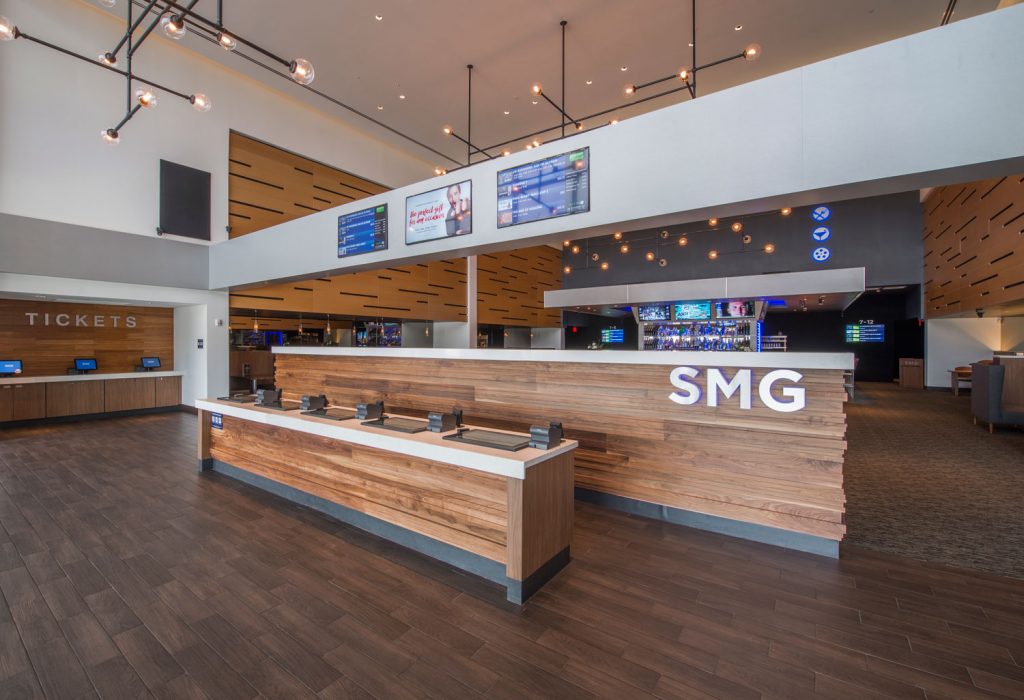
With studio movie and grill indianapolis at the forefront, this vibrant venue seamlessly combines the thrill of cinema with the pleasure of dining, crafting a unique experience for moviegoers. Imagine enjoying a delicious meal while watching the latest blockbusters, all within a cozy and sophisticated environment that elevates a simple night out to a memorable adventure.
Studio Movie Grill Indianapolis not only offers a diverse menu, featuring everything from classic comfort food to upscale dining options, but also provides an innovative approach to the movie-going experience. With state-of-the-art screens and comfortable seating, it’s designed to cater to both film enthusiasts and food lovers alike, ensuring a delightful outing for all.
Communication is an essential part of our daily lives, affecting both personal and professional interactions. Whether we are engaging in a casual conversation with friends or delivering a formal presentation at work, the ability to convey information clearly and effectively is crucial. This article will explore the various aspects of effective communication, the barriers that can hinder it, and practical strategies to enhance our communication skills.
Understanding Communication
At its core, communication is the process of exchanging information, feelings, and ideas between individuals. It can take many forms, including verbal, non-verbal, written, and visual communication. Each of these forms plays a pivotal role in how we connect with others and express ourselves. Understanding the different types of communication is the first step in mastering this vital skill.
Types of Communication
- Verbal Communication: This involves spoken words, whether in person or over the phone. The tone, pitch, and speed of speech significantly impact the message being conveyed.
- Non-verbal Communication: Body language, facial expressions, and gestures all fall under this category. Often, non-verbal cues can convey more meaning than words alone.
- Written Communication: Emails, reports, and texts are examples of written communication. Clarity and conciseness are key here to ensure the receiver understands the message.
- Visual Communication: This includes the use of images, charts, and graphs to represent information visually. This type of communication is particularly effective in presentations and educational contexts.
Barriers to Effective Communication
Despite the myriad of ways we can communicate, there are several barriers that can obstruct the flow of information. Recognizing these barriers is essential for effective communication.
Common Barriers
- Language Differences: Misunderstandings can occur when individuals speak different languages or use jargon unfamiliar to others.
- Cultural Differences: Cultural norms and values can influence communication styles, leading to potential misinterpretations.
- Emotional Barriers: Personal emotions, such as anger or anxiety, can cloud judgment and hinder open communication.
- Distractions: In our fast-paced world, distractions—like noise or electronic devices—can significantly impact our ability to listen and focus.
Strategies for Effective Communication
Now that we have identified the barriers to communication, let’s explore some strategies to enhance our skills and improve interactions with others.

1. Active Listening
Active listening is a fundamental aspect of effective communication. It involves fully concentrating, understanding, responding, and remembering what the other person is saying. To practice active listening, focus entirely on the speaker, avoid interrupting, and provide feedback to show you’re engaged.
2. Clarity and Conciseness
Being clear and concise is vital when conveying messages. Avoid using overly complex language or jargon that might confuse the listener. Instead, strive to express your ideas in straightforward terms, ensuring that your points are easily understood.
3. Non-Verbal Cues
Pay attention to your body language and non-verbal cues. Maintain eye contact, use appropriate gestures, and be aware of your facial expressions. These non-verbal signals can significantly influence how your message is received and interpreted.
4. Empathy
Empathy involves putting yourself in someone else’s shoes and understanding their feelings and perspectives. By demonstrating empathy in your conversations, you create a safe environment for open dialogue and can foster stronger relationships.
5. Ask Questions
Asking questions shows that you are interested and engaged in the conversation. It also encourages the other person to elaborate on their thoughts and can help clarify any misunderstandings.
The Role of Feedback
Feedback is a vital component of effective communication. It allows individuals to understand how their message was received and provides an opportunity for improvement. Encouraging feedback from others can help you refine your communication style and ensure your messages are clearly understood.
Giving and Receiving Feedback
- Giving Feedback: When offering feedback, focus on being constructive. Highlight both strengths and areas for improvement, ensuring your comments are specific and actionable.
- Receiving Feedback: Approach feedback with an open mind. Listen carefully to what is being said, avoid becoming defensive, and consider how you can apply the feedback to improve your communication skills.
The Importance of Adaptability
Effective communicators are adaptable. Different situations and audiences may require different communication styles. Being able to adjust your approach based on the context and the individuals involved is crucial for successful interactions. Whether you’re in a formal meeting, a casual conversation, or delivering a presentation, tailor your communication style to fit the occasion.

Conclusion
In conclusion, effective communication is an art that can significantly impact our personal and professional lives. By understanding the different types of communication, recognizing barriers, and implementing strategies such as active listening, empathy, and adaptability, we can enhance our interactions and build stronger relationships. Remember, communication is not just about speaking; it’s about connecting with others and ensuring that our messages are received as intended.
With practice and dedication, anyone can become a more effective communicator.
Question Bank
What types of food are available at Studio Movie Grill Indianapolis?
The menu includes a variety of options such as burgers, pizzas, salads, and desserts, catering to diverse tastes.
Can I reserve seats in advance?
Yes, you can reserve your seats when purchasing tickets online to ensure you have the best view.
Is there a bar at Studio Movie Grill Indianapolis?
Yes, they offer a selection of alcoholic beverages, including beer and wine, for guests to enjoy during the movie.
Are children allowed at Studio Movie Grill Indianapolis?
Yes, the venue is family-friendly, and they offer kid-friendly menu items and screenings suitable for younger audiences.
What safety measures are in place at the venue?
Studio Movie Grill Indianapolis adheres to health guidelines, including regular sanitation and social distancing protocols to ensure guest safety.