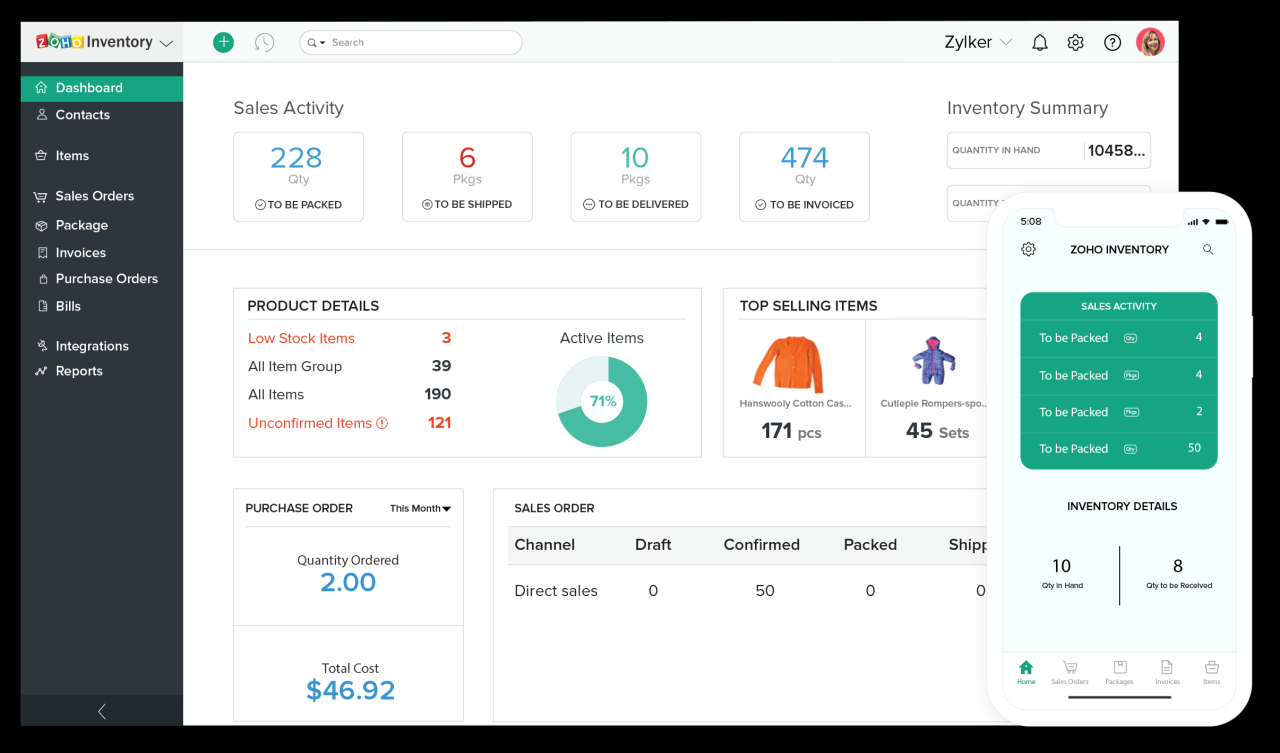
With inventory management software leading the charge, businesses are entering a new era of efficiency and organization. This essential tool not only simplifies tracking stock levels but also integrates seamlessly with existing systems, enabling a smoother workflow. For companies of all sizes, understanding and utilizing this technology is crucial in maintaining competitiveness in today’s fast-paced market.

The importance of effective inventory management cannot be overstated, as it directly impacts customer satisfaction and operational costs. From small retailers to large warehouses, inventory management software enhances visibility and control over stock, ensuring that businesses can respond swiftly to demand fluctuations. The evolution of this software is paving the way for smarter inventory solutions that leverage data analytics and predictive trends.
In the ever-evolving landscape of technology, the significance of artificial intelligence (AI) has reached unprecedented heights. Companies across various sectors are increasingly leveraging AI to enhance their operations, improve customer experiences, and drive innovation. The integration of AI into everyday business practices presents both exciting opportunities and unique challenges that organizations must navigate carefully.
One of the most compelling applications of AI is in data analysis. Organizations collect vast amounts of data, and AI helps to sift through this information to extract meaningful insights. By utilizing machine learning algorithms, businesses can identify patterns and trends that may not be immediately apparent to human analysts. For example, in retail, AI can analyze customer purchasing behavior to optimize inventory and personalize marketing efforts. This not only enhances operational efficiency but also leads to improved customer satisfaction, as products are tailored to meet consumer needs more effectively.
Moreover, AI-driven chatbots and virtual assistants have transformed customer service. These tools provide immediate assistance to customers, often resolving inquiries faster than traditional methods. By automating responses to frequently asked questions, businesses can free up human agents to focus on more complex issues that require personal attention. This balance between automation and human interaction is crucial, as it helps companies maintain a high level of service while managing costs.
However, the adoption of AI is not without its controversies, particularly surrounding privacy and ethical considerations. As AI relies heavily on data, concerns about how this data is collected, stored, and used are paramount. Organizations must prioritize transparency with their users, ensuring that data practices comply with regulations such as GDPR. Additionally, ethical dilemmas arise in areas like algorithmic bias, where AI systems may inadvertently perpetuate existing prejudices. Therefore, it is essential for organizations to implement rigorous testing and validation processes to mitigate such risks and ensure fairness in AI applications.
Furthermore, the rise of AI has sparked discussions about the future of work. While AI can enhance productivity and streamline tasks, there are fears that it may lead to job displacement. Industries that rely on routine, manual tasks are particularly vulnerable. However, it is crucial to recognize that AI can also create new job opportunities. As companies adopt AI technologies, there will be a growing demand for skilled workers who can design, manage, and maintain these systems. This shift highlights the importance of education and continuous learning in preparing the workforce for the future.
In the healthcare sector, AI is making significant strides in improving patient outcomes. From predictive analytics that assess patient risks to AI-assisted diagnostics that help identify diseases earlier, the potential benefits are immense. Machine learning models can analyze medical imaging data with remarkable accuracy, assisting radiologists in detecting anomalies that may be overlooked. This not only enhances the speed of diagnosis but also contributes to more effective treatment plans tailored to individual patient needs.
Moreover, AI’s ability to process and analyze vast amounts of medical literature can assist healthcare professionals in staying updated with the latest research. With AI tools, practitioners can receive personalized recommendations for treatment protocols based on the most recent findings relevant to their specialty. This integration of AI into healthcare not only improves the efficiency of medical professionals but also empowers them to provide higher-quality care.
In the realm of finance, AI is revolutionizing how financial institutions operate. From fraud detection to algorithmic trading, AI technologies are enhancing decision-making processes and minimizing risks. For instance, machine learning algorithms can analyze transaction patterns to detect suspicious activities in real-time, thereby preventing potential fraud. Additionally, robo-advisors utilize AI to provide personalized investment advice based on individual financial goals and risk tolerance. This democratization of financial services enables more people to access investment opportunities that were once available only to a select few.
On the environmental front, AI is playing a pivotal role in addressing climate change and promoting sustainability. By analyzing environmental data, AI can help optimize energy consumption and reduce waste. For example, smart grids leverage AI to balance electricity supply and demand efficiently, minimizing energy waste. In agriculture, AI-driven precision farming techniques can optimize water usage and pesticide application, leading to more sustainable practices that reduce the environmental impact.
Despite its tremendous potential, the journey of AI adoption is not without hurdles. Organizations must navigate technological challenges, such as ensuring data quality and security. Furthermore, there is a growing need for interdisciplinary collaboration among technologists, ethicists, and business leaders to harness AI responsibly and effectively. As AI continues to advance, fostering an environment of innovation and ethical considerations will be crucial in realizing its full potential.
In conclusion, artificial intelligence is shaping the future of various industries by optimizing processes, enhancing customer experiences, and driving innovation. While the opportunities presented by AI are vast, organizations must also remain mindful of the ethical and practical challenges. By adopting a thoughtful approach to AI integration, businesses can harness its benefits while contributing positively to society. As we move forward, the focus should be on creating a harmonious balance between technology and human intervention, ensuring that AI serves as a tool for empowerment rather than a source of division. Looking ahead, the future of AI promises to be as exciting as it is complex, and staying informed and adaptable will be key to thriving in this dynamic landscape.