Sage accounting software is transforming the way businesses manage their finances. With its robust features and user-friendly interface, it offers a comprehensive solution that caters to various financial needs. This software not only streamlines accounting processes but also enhances accuracy and compliance, making it an essential tool for small to medium-sized enterprises. From invoicing to financial reporting, Sage equips users with the tools necessary to maintain a clear financial overview.
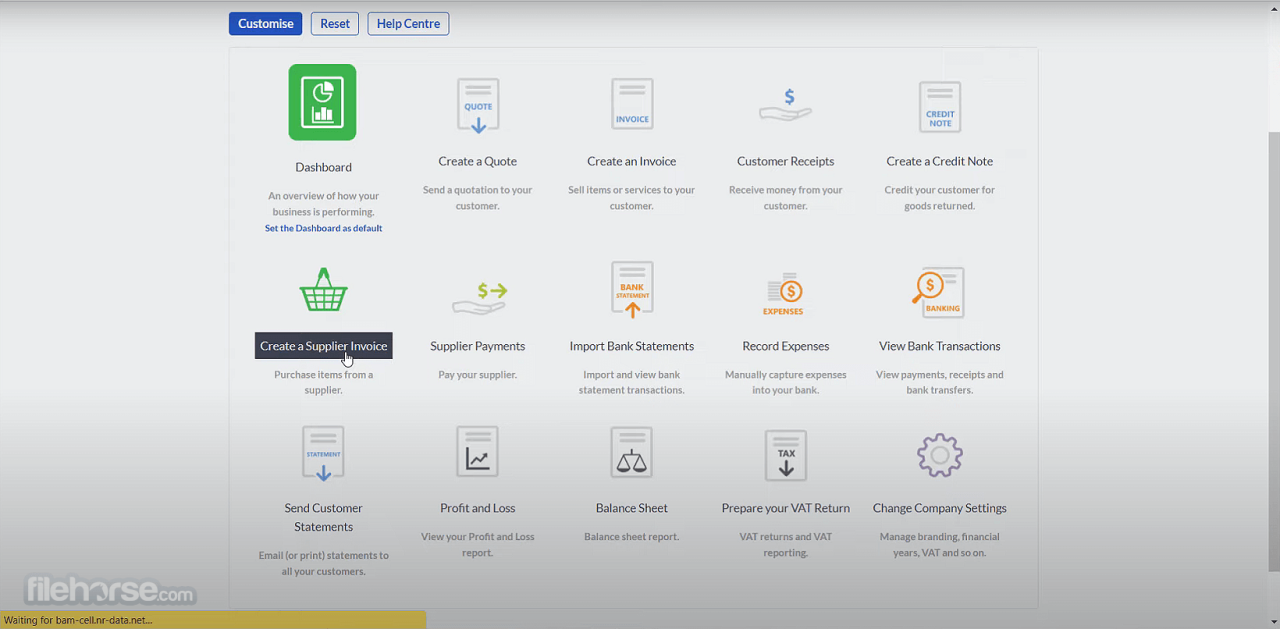
As businesses navigate the complexities of financial management, understanding and leveraging the capabilities of Sage accounting software can lead to improved efficiency and decision-making. Whether you’re a seasoned accountant or a business owner, this software provides valuable insights that drive success in today’s dynamic economic landscape.

In our fast-paced world today, it’s easy to overlook the importance of mindfulness and self-care. With constant notifications from our devices, the pressure to meet deadlines, and the relentless pace of everyday life, many of us find ourselves in a reactive mode rather than a proactive one. As a result, we might neglect what truly matters—our mental and emotional well-being. In this article, we will explore the significance of mindfulness and self-care practices, how they can positively impact our lives, and practical ways to incorporate them into our daily routines.
Mindfulness is the practice of being present in the moment, fully aware of our thoughts, feelings, and sensations without judgment. This practice originated from ancient meditation traditions and has gained popularity in recent years due to its numerous benefits. Research indicates that practicing mindfulness can reduce stress, enhance focus, and improve overall emotional health. For many, mindfulness may seem like a daunting task, but it can be as simple as taking a few moments each day to pause and breathe deeply.
One effective method to cultivate mindfulness is through mindful breathing. This practice involves concentrating on your breath—feeling the air enter and leave your body. Start by finding a quiet space where you can sit comfortably. Close your eyes and take a deep breath in through your nose, allowing your abdomen to rise. Hold your breath for a moment, then exhale slowly through your mouth. Repeat this process for a few minutes, and you might notice a shift in your mental clarity and emotional state.
Another mindfulness technique involves observing your surroundings. Take a moment to notice the details around you—the colors, shapes, and sounds. Engaging your senses can help anchor you in the present moment and reduce feelings of anxiety. Whether you are in a busy coffee shop or a serene park, there are always elements to appreciate. This practice encourages gratitude and enhances your overall experience of daily life.
Self-care, on the other hand, encompasses a range of activities that promote personal well-being and health. It is often misconceived as a luxury or something to indulge in only during times of stress. In reality, self-care is essential for maintaining balance and resilience in our lives. It can take many forms, from physical activities like exercising and eating nutritious food to mental and emotional practices like journaling and spending time with loved ones.
Physical self-care is crucial for our overall well-being. Engaging in regular exercise, even if it’s just a short walk or stretching at your desk, can boost your mood and increase energy levels. Additionally, nourishing your body with healthy foods can significantly impact your mental clarity and emotional stability. Aim to include a variety of fruits, vegetables, whole grains, and lean proteins in your diet. Remember, it’s not about strict diets but about making choices that contribute positively to your health.
Equally important is the role of social connections in self-care. Surrounding yourself with supportive friends and family can provide a buffer against stress. Sharing experiences, whether they are joyful or challenging, allows for emotional release and fosters a sense of belonging. Don’t hesitate to reach out to friends for a chat or to plan a get-together. Often, the simple act of being with others can alleviate feelings of loneliness and enhance your mood.
Emotional self-care is another critical aspect that often goes overlooked. Taking time to check in with your feelings is vital for understanding your mental state. Activities such as journaling can help you process your emotions and gain clarity on your thoughts. Dedicate a few minutes each day to write down your feelings, what you are grateful for, or even your goals. This practice not only promotes self-awareness but can also serve as a therapeutic outlet.
Additionally, consider incorporating relaxation techniques into your routine. Mindful meditation, yoga, or even a warm bath can help alleviate stress and provide a necessary pause in your busy schedule. These practices allow you to reconnect with yourself, fostering a deeper sense of peace and well-being.
Incorporating mindfulness and self-care into your daily life doesn’t require a complete overhaul of your routine. Start small—set aside just a few minutes each day for mindful breathing, a quick walk, or journaling. As these practices become habitual, you’ll likely find it easier to navigate the stresses of daily life.
Moreover, it’s important to remember that self-care isn’t selfish. Taking care of your needs enables you to show up better for others. When you prioritize your well-being, you cultivate the energy and resilience needed to support friends, family, and colleagues. In a world that often glorifies busyness, making time for self-care sends a powerful message that taking care of oneself is not only necessary but also essential for a balanced life.
In conclusion, embracing mindfulness and self-care can significantly enhance your quality of life. By being present and nurturing your emotional and physical well-being, you can navigate challenges with greater ease and clarity. Make a commitment to yourself to prioritize these practices, and observe how they positively influence your life over time. Remember, small changes can lead to significant outcomes, so start today—your future self will thank you!