Top sustainable clothing brands for eco-friendly fashion? invites you to explore a vibrant world where style meets responsibility. As the fashion industry faces scrutiny over its environmental impact, a new wave of brands is emerging, championing eco-conscious practices without compromising on style. This journey uncovers innovative materials, ethical production methods, and the inspiring stories behind these brands that aim to redefine our wardrobe choices.
From luxurious fabrics to transparent supply chains, eco-friendly fashion is not just a trend—it’s a movement towards a more sustainable future. As consumers become increasingly aware of their purchasing power, these brands are leading the charge towards a greener planet, proving that you can look good while also doing good.
In today’s fast-paced world, the concept of work-life balance has become a hot topic of discussion among professionals from various fields. The rise of remote work, flexible hours, and the integration of technology into our daily lives has blurred the lines between professional commitments and personal time. This article aims to explore the importance of maintaining a healthy work-life balance, the challenges many face in achieving it, and some practical tips to help navigate this complex landscape.The term “work-life balance” refers to the equilibrium between the time and energy invested in work and the time allocated for personal activities.
For many, achieving this balance is essential for overall well-being, productivity, and job satisfaction. A well-rounded work-life balance can lead to reduced stress levels, improved mental health, and stronger relationships with family and friends.One of the primary challenges in achieving a healthy work-life balance is the increasing demands of the modern workplace. With the advent of technology, employees often find themselves connected to work around the clock, leading to the phenomenon known as “always-on” culture.
Emails, instant messages, and work-related notifications can intrude into personal time, making it difficult to disconnect and recharge. This perpetual state of connectivity can lead to burnout, decreased job satisfaction, and a negative impact on physical and mental health.Another significant factor contributing to work-life balance struggles is the pressure to excel in the workplace. Many individuals feel the need to go above and beyond their job descriptions to secure promotions, recognition, or job security.
This drive for success can lead to long hours, missed family time, and neglect of personal interests and hobbies. The pressure to perform can create a vicious cycle where individuals prioritize work over their well-being, leading to a decline in productivity and overall happiness.To navigate these challenges and foster a healthier work-life balance, it’s essential to implement practical strategies. Here are some tips to help you find that balance:
1. Establish Boundaries
Setting clear boundaries between work and personal time is crucial. Communicate your working hours to colleagues and supervisors, and stick to them. Avoid checking work emails or messages during personal time, and establish a “shutdown” routine at the end of each workday to signal the transition from work to personal life.
2. Prioritize Self-Care
Make self-care a non-negotiable part of your routine. Engage in activities that promote physical and mental well-being, such as exercising, meditating, or pursuing hobbies that bring you joy. Taking time for yourself can recharge your batteries and improve your focus and productivity when you are working.
3. Evaluate Your Commitments
Take a step back and assess your current commitments. Are there tasks or projects that can be delegated or postponed? Learning to say no when necessary is vital. By prioritizing your workload and eliminating non-essential tasks, you can free up time for personal pursuits.
4. Utilize Technology Wisely
While technology can sometimes be a double-edged sword, it can also be a valuable tool for achieving work-life balance. Use productivity apps to manage your tasks efficiently, and take advantage of tools that facilitate remote work without overwhelming you. However, set limits on technology usage to avoid burnout.
5. Stay Organized
Keeping a well-organized schedule can help you manage your time effectively. Use planners or digital calendars to allocate time for both work and personal activities. Having a visual representation of your commitments can help you identify potential conflicts and make necessary adjustments.
6. Communicate Openly
Maintain open lines of communication with your employer and colleagues about your work-life balance needs. Discuss flexible working arrangements, if applicable, and seek support from your team. A collaborative approach can lead to a more understanding and accommodating work environment.
7. Create a Support System
Surround yourself with a supportive network of family, friends, and colleagues who understand the importance of work-life balance. Share your challenges and successes with them, and seek advice or encouragement when needed. This support can be invaluable in maintaining motivation and accountability.
8. Reflect and Adjust
Regularly reflect on your work-life balance and assess whether your current strategies are effective. Be open to making adjustments as needed. Life circumstances change, and your approach to balance may need to evolve over time.In conclusion, achieving a healthy work-life balance is essential for overall well-being and productivity. While the modern workplace presents unique challenges, implementing practical strategies can help individuals navigate this complex terrain.
By establishing boundaries, prioritizing self-care, staying organized, and maintaining open communication, professionals can create a more harmonious balance between their work and personal lives. Remember, finding this balance is a journey, not a destination. It requires ongoing effort and adaptation, but the rewards are well worth it.
Popular Questions
What defines a sustainable clothing brand?
A sustainable clothing brand is defined by its commitment to ethical practices, environmentally friendly materials, and transparency throughout the production process.

How can I identify sustainable clothing brands?
You can identify sustainable clothing brands by looking for certifications, reading their sustainability policies, and researching their sourcing practices.
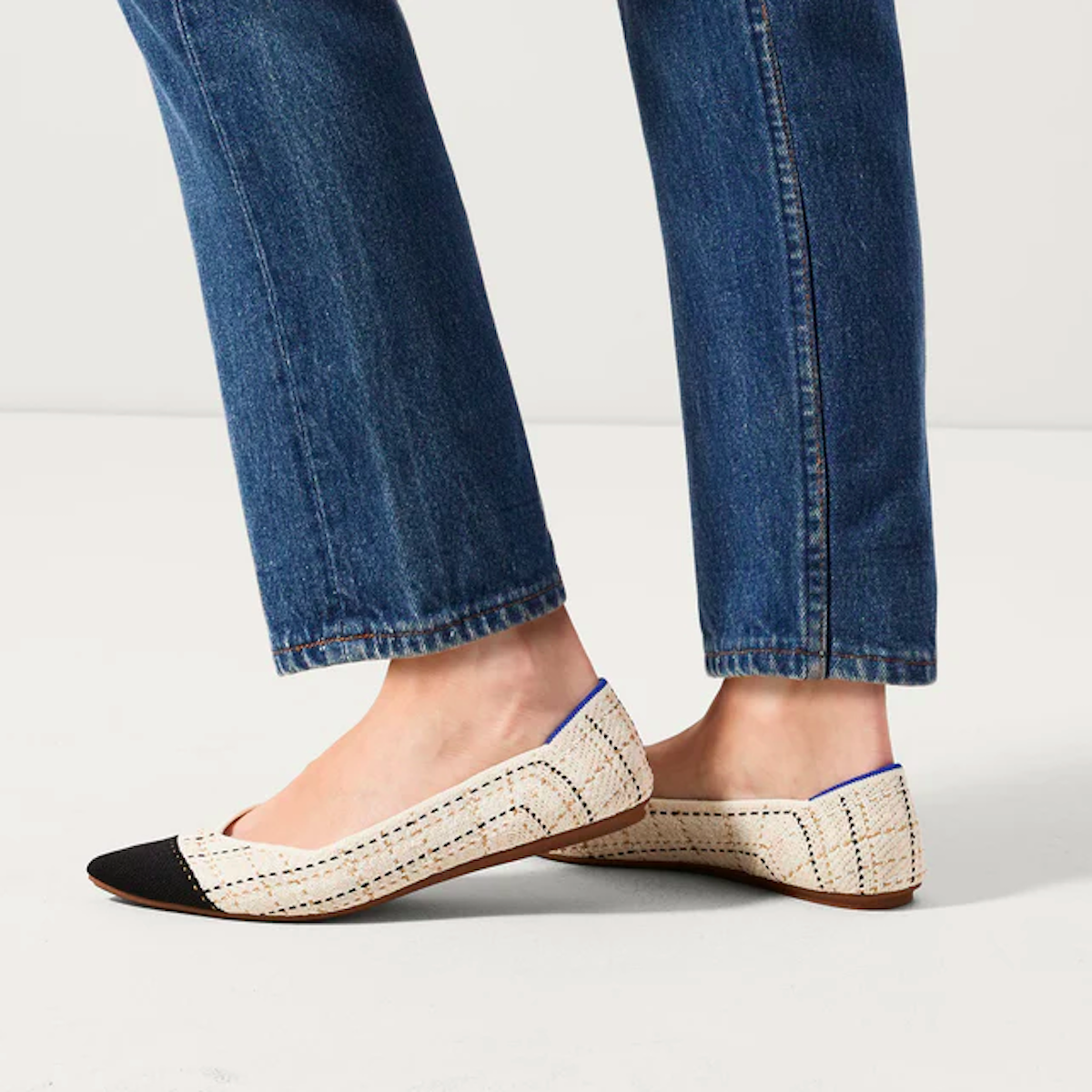
Are sustainable clothing brands more expensive?
While sustainable clothing may have a higher initial cost due to ethical production, it often provides better quality and longevity, making it a worthwhile investment.

Can sustainable clothing be stylish?
Absolutely! Many sustainable clothing brands focus on contemporary designs, proving that eco-friendly fashion can be both stylish and sustainable.
What materials should I look for in sustainable clothing?
Look for materials such as organic cotton, Tencel, hemp, and recycled fabrics that have a lower environmental impact compared to conventional materials.