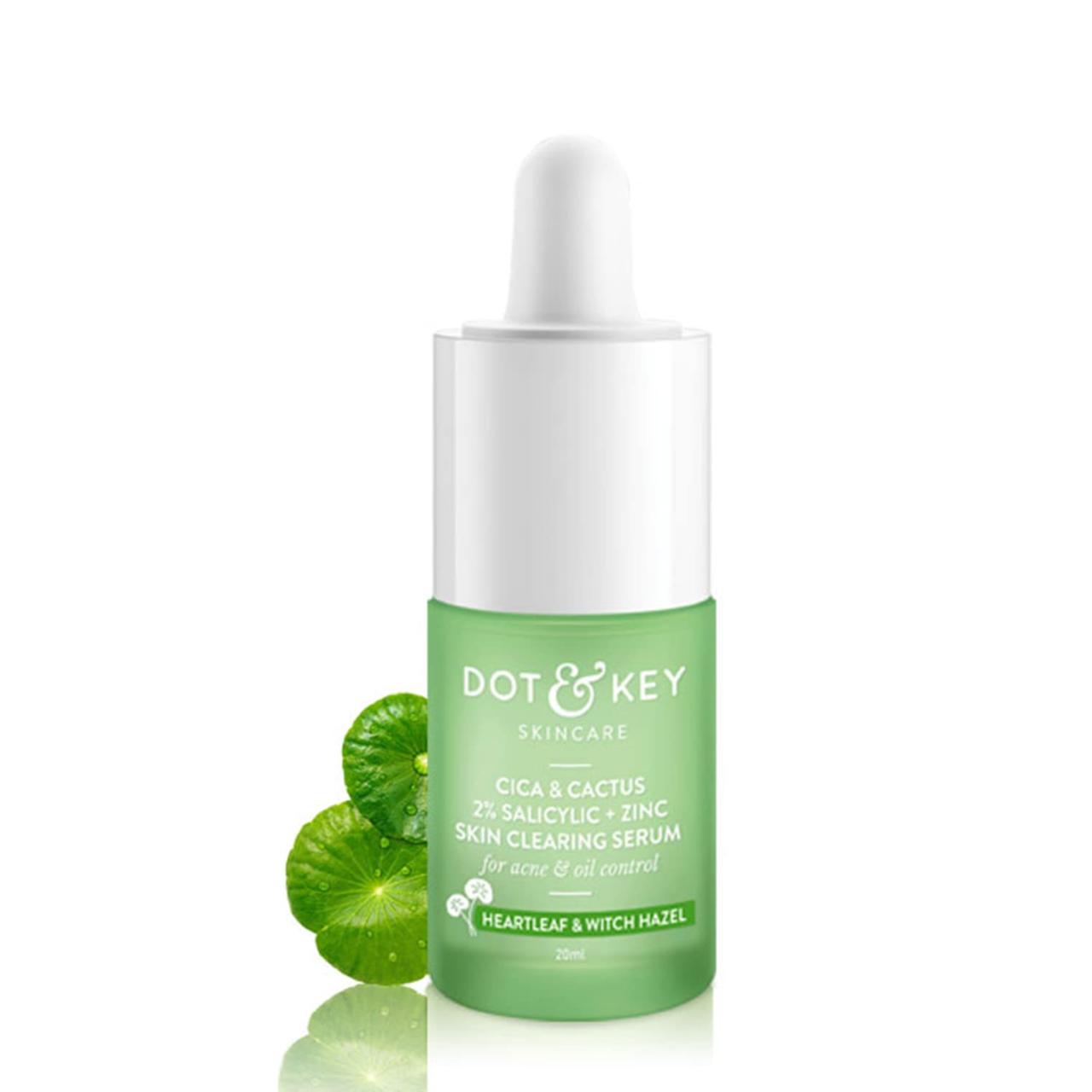
Best beauty serums for acne-prone skin that really work offers a comprehensive look into the world of skincare dedicated to those struggling with breakouts. With countless products on the market, navigating through the options can be overwhelming, but understanding what truly benefits your skin can make all the difference. This guide aims to demystify the selection of effective serums, shedding light on key ingredients and their roles in promoting clearer, healthier skin.
Finding the right serum is crucial for acne-prone individuals, as it can help reduce inflammation, balance oil production, and minimize the appearance of blemishes. In this exploration, we’ll highlight the essential components to look for in serums, along with some top recommendations that have garnered praise for their effectiveness.
In today’s fast-paced world, the importance of effective communication cannot be overstated. Whether in personal relationships, professional settings, or digital interactions, the way we express ourselves significantly impacts how our messages are received. In this article, we will explore the nuances of communication, its various forms, and how to enhance our skills for better understanding and connection with others.
First and foremost, let’s define what communication is. At its core, communication is the process of transferring information from one person to another. This could be done verbally, non-verbally, or through written forms. Each method carries its own weight and implications, making it essential to choose the right approach depending on the context and audience.
Verbal communication, often the most straightforward and immediate form, includes spoken words and tone of voice. The effectiveness of verbal communication lies not only in the words chosen but also in how they are delivered. A warm tone can make even the simplest message feel more inviting, while a harsh tone can turn a supportive statement into an offensive remark.
Therefore, being mindful of our tone and the emotions we convey is crucial.
On the other hand, non-verbal communication encompasses body language, facial expressions, gestures, and even silence. Often, non-verbal cues can convey more than words ever could. For instance, crossed arms might signal defensiveness or discomfort, while eye contact can indicate confidence and engagement. Understanding and interpreting these signals can greatly enhance our interactions, allowing us to respond appropriately to unspoken emotions.
Written communication, especially in today’s digital age, has gained immense significance. From emails to social media posts, our written words can reach audiences far beyond our immediate surroundings. Here, clarity and conciseness are paramount. The reader cannot hear our tone or see our facial expressions, so it is vital to ensure that our written messages are clear and devoid of ambiguity.
Misinterpretations can lead to misunderstandings, creating unnecessary tension in both personal and professional relationships.
To improve our communication skills, there are several strategies we can adopt. One of the most effective methods is active listening. This involves fully concentrating on what the other person is saying rather than simply waiting for our turn to speak. By giving our full attention and responding thoughtfully to their words, we can foster a deeper connection and understanding.
Another key aspect is empathy, the ability to understand and share the feelings of others. By putting ourselves in someone else’s shoes, we can better comprehend their perspective, leading to more productive and meaningful conversations. Empathy not only enhances our communication skills but also builds trust, an essential foundation for any relationship.
Moreover, being adaptable is vital in communication. Different contexts and audiences may require us to adjust our style. For example, a formal presentation at work will differ significantly from a casual chat with friends. Being aware of these differences and being able to adapt accordingly will make our communications more effective and relatable.
Additionally, seeking feedback can be instrumental in improving our communication skills. By asking others for their thoughts on our communicative style, we can identify areas for improvement and make necessary adjustments. Constructive criticism can be a valuable tool in our journey toward better communication.
However, it is crucial to remember that communication is a two-way street. While we may strive to express ourselves clearly, we must also be receptive to others. This means not only listening but also being open to differing perspectives. Engaging in dialogue rather than debate can lead to richer discussions and a better understanding of diverse viewpoints.
As we navigate the complexities of communication, it is also essential to be aware of cultural differences. In our globalized world, interactions with individuals from various backgrounds are commonplace. Different cultures may have unique communication styles, which can include varying levels of directness, use of humor, and non-verbal cues. Being culturally sensitive and adaptable can enhance our interactions and prevent potential misunderstandings.
In conclusion, effective communication is a vital skill that can be developed and refined over time. By focusing on verbal and non-verbal cues, actively listening, practicing empathy, and being adaptable, we can enhance our interactions with others. Moreover, seeking feedback and being culturally aware can further enrich our communication skills. As we strive to express ourselves clearly and connect meaningfully with those around us, let us remember that the art of communication is not just about conveying information, but also about building relationships and fostering understanding.
In a world where misunderstandings can escalate quickly, honing our communication skills is more important than ever. By prioritizing clear, empathetic, and culturally sensitive communication, we not only improve our personal and professional relationships but also contribute to a more understanding and connected society.
FAQs
How do I know if a serum is suitable for my skin?
Look for serums labeled as non-comedogenic, and check for lightweight, oil-free formulations, especially if you have oily or acne-prone skin.

Can I use multiple serums at the same time?
Yes, but it’s best to layer them starting from the thinnest to the thickest formula, and introduce them gradually to avoid irritation.
How long does it take to see results from serums?
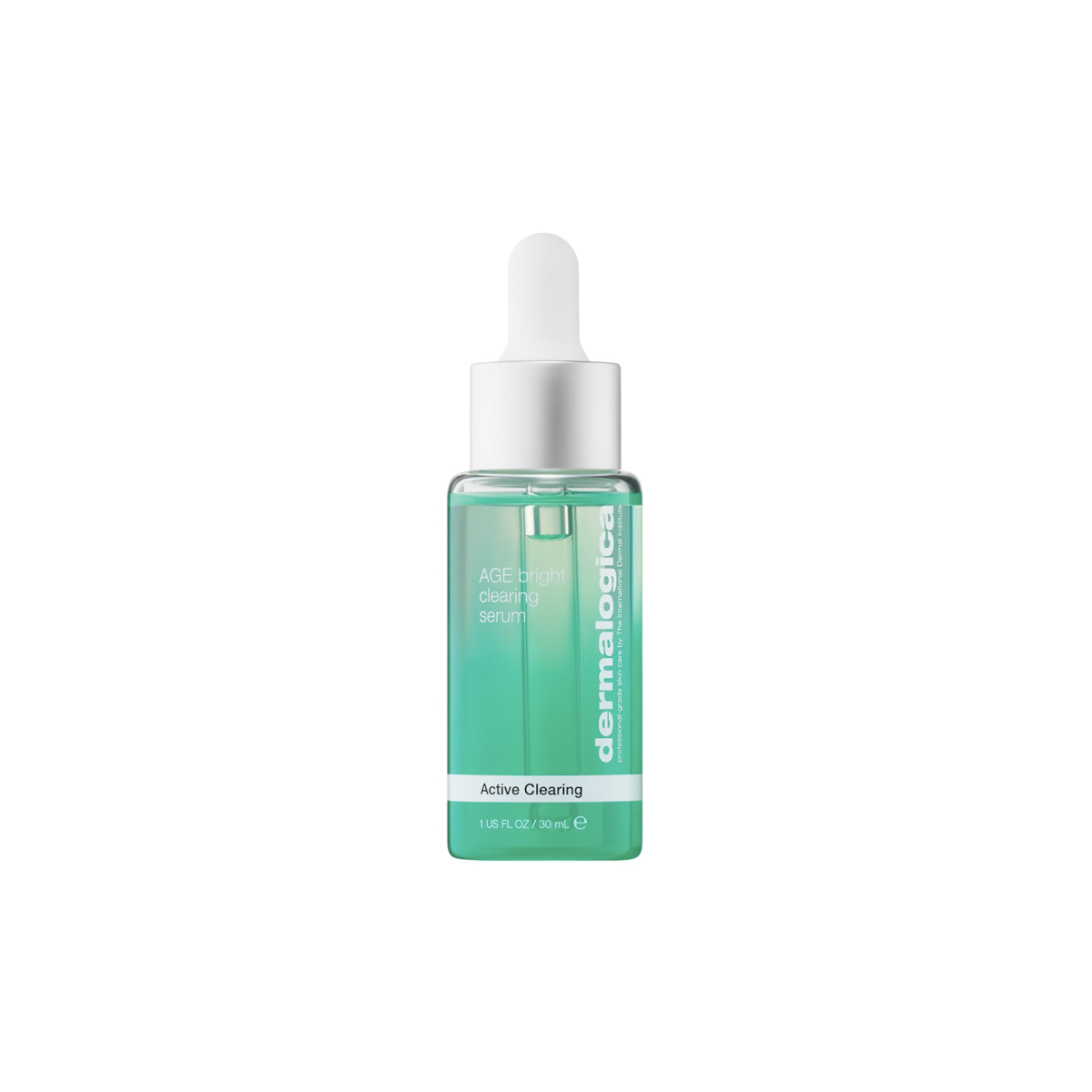
Results vary by product, but typically, you should expect to see noticeable changes within 4 to 12 weeks of consistent use.
Are expensive serums worth the investment?
While price can indicate quality, it’s essential to evaluate ingredients and reviews rather than just the cost; many effective options are available at various price points.
Should I consult a dermatologist before using a new serum?
If you have sensitive skin or severe acne, it’s a good idea to consult a dermatologist to find the best products suited for your condition.