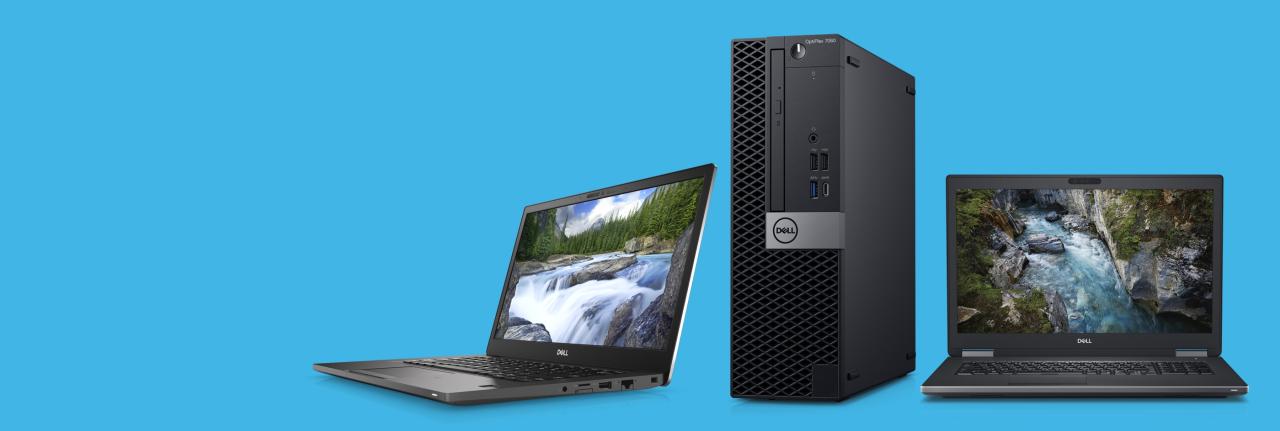
Welcome to the world of dell online shopping, where convenience meets quality in a seamless experience. With just a few clicks, you can access a vast array of Dell products, from cutting-edge laptops to high-performance desktops, all designed to cater to your specific needs.
In this digital age, online shopping has transformed the way we purchase technology, allowing you to compare products, read reviews, and make informed decisions without stepping out of your home. Dell’s user-friendly platform ensures that you find exactly what you’re looking for while enjoying exclusive deals and promotions.
In today’s fast-paced world, the importance of effective communication cannot be overstated. Whether in personal relationships, the workplace, or social media, how we convey our thoughts and feelings significantly impacts our interactions and connections with others. This article will take a deep dive into the dynamics of communication, exploring its various forms, the barriers we encounter, and strategies for improvement.To start, let’s define communication.
At its core, communication is the act of exchanging information, thoughts, or feelings between individuals or groups. It encompasses a multitude of forms, including verbal, non-verbal, written, and visual communication. Each mode plays a crucial role in how we relate to one another.Verbal communication is perhaps the most recognized form of communication. It includes spoken words, tone of voice, and even the speed at which we talk.
Effective verbal communication requires clarity, conciseness, and the ability to listen actively. It involves not just speaking, but also understanding the responses of others. People often underestimate the power of listening; however, it is a fundamental component of successful communication. Active listening involves being fully present in the conversation, which means giving full attention to the speaker, acknowledging their message, and responding thoughtfully.
This practice fosters a deeper connection and understanding between individuals.Non-verbal communication, on the other hand, includes body language, facial expressions, gestures, and eye contact. Research has shown that a significant portion of our communication is non-verbal, with some estimates suggesting that up to 93% of communication effectiveness is influenced by non-verbal cues. For instance, crossing arms may indicate defensiveness, while maintaining eye contact can convey confidence and sincerity.
Understanding and interpreting these signals can significantly enhance interpersonal interactions.Written communication is another vital aspect, particularly in our increasingly digital world. Emails, text messages, reports, and social media posts all fall under this category. The challenge with written communication lies in the absence of tone and immediate feedback, which can lead to misunderstandings. To mitigate this, it is essential to be clear and intentional with our words, using proper grammar, punctuation, and style.
Additionally, considering the audience is crucial when crafting written messages. Tailoring the tone and content to suit the recipient can improve engagement and comprehension.Visual communication, which includes images, videos, graphs, and charts, plays an increasingly important role in conveying messages effectively. In an era where attention spans are dwindling, visuals can capture interest and enhance understanding. Infographics, for example, combine text and visuals to present information in a digestible format.
This method not only aids in retaining attention but also makes complex information more accessible.Despite the various forms of communication, numerous barriers can obstruct effective exchanges. One common barrier is language differences. In our globalized world, we often interact with individuals from diverse linguistic backgrounds, which can lead to miscommunication. To overcome this, it’s essential to be patient and, when necessary, to seek clarification.
Additionally, relying on simple language and avoiding jargon can make communication more inclusive.Cultural differences also pose significant challenges. Each culture has its own norms and expectations regarding communication styles, including how direct or indirect one should be. For instance, some cultures value straightforwardness, while others may prioritize harmony and indirect expressions. Being aware of these differences and adapting one’s communication style accordingly can enhance mutual understanding and prevent potential conflicts.Emotional barriers can also impede effective communication.

Personal experiences, stress, and preconceived notions can create filters through which we interpret others’ messages. For example, if someone is feeling anxious, they may misinterpret a neutral comment as criticism. To counteract this, it’s crucial to cultivate emotional intelligence, which involves recognizing and managing one’s emotions while being attuned to the emotions of others. This skill can significantly improve interpersonal relationships by fostering empathy and understanding.To enhance communication skills, individuals can employ several strategies.

Firstly, practicing active listening can transform interactions. This involves not just hearing the words but understanding the underlying feelings and intentions. Techniques such as paraphrasing, summarizing, and asking open-ended questions can demonstrate engagement and encourage deeper conversations.Another strategy is to seek feedback. Constructive criticism from friends, family, or colleagues can provide valuable insights into one’s communication style. By understanding how others perceive our messages, we can adapt and improve our approach.
Additionally, observing effective communicators can be beneficial. Whether it’s a public speaker, a friend, or a mentor, analyzing what makes their communication effective can offer inspiration and practical techniques to adopt.Embracing technology can also enhance communication skills. Various tools and platforms facilitate clearer exchanges, whether through collaborative software for team projects or language translation apps for cross-cultural interactions. By leveraging these resources, individuals can improve their ability to communicate effectively in diverse contexts.In conclusion, effective communication is an indispensable skill that influences every aspect of our lives.
By understanding its various forms and recognizing the barriers that can arise, we can take proactive steps to enhance our communication abilities. Whether through verbal, non-verbal, written, or visual means, the goal remains the same: to foster connection and understanding. By practicing active listening, being aware of emotional and cultural barriers, and seeking feedback, we can cultivate stronger relationships and navigate the complexities of human interaction with greater ease.
FAQ Guide
Is it safe to shop on Dell’s website?
Yes, Dell’s website uses secure payment methods to ensure your personal information is protected.
Can I track my order after purchase?
Absolutely! You can track your order status directly on the Dell website with your order number.
What is the return policy for products purchased online?
Dell offers a 30-day return policy for most products, allowing you to return items if they do not meet your expectations.
Are there any special deals for students?
Yes, Dell provides discounts and special offers specifically for students, making it easier to access quality technology.
Can I customize my Dell products when ordering online?
Yes, many Dell products can be customized to fit your preferences, including specifications and features.